
Keeping IR Heating Safe in Chemical Zones
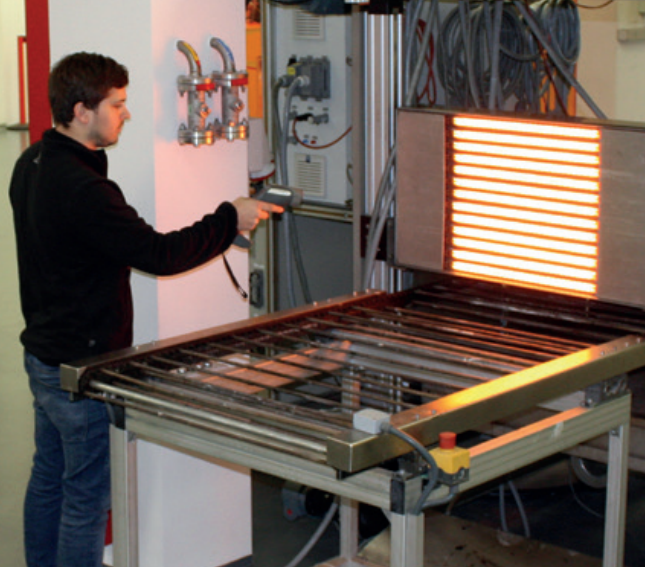
If you’re running chemical cleaning lines, you already know the deal: the solvents you use are often flammable or, worse, explosive. Throwing an open infrared lamp into that mix is basically asking for trouble. To stop a disaster before it starts, we build a custom stainless steel housing. It basically wraps the heating element in a protective shell, keeping the hazardous fumes far away from the heat. The nuts and bolts of the build We stick with 304 or 316L stainless steel. It’s not just because it handles caustic cleaners without rusting; it’s about creating a real wall. The housing keeps solvent vapors from touching the hot quartz tube. Simple as that. We also use explosion-proof glands to seal the cable entries. This stops gases from sneaking their way back into the electrical junction box. And if a lamp happens to burn out? The housing is there to make sure that failure doesn’t spark something in the air around it. Dealing with the heat Now, putting a lamp in a steel box changes how the heat moves. You lose a little bit of that direct radiation, but you get a lot more stability. The steel actually bounces some of that IR energy back toward your workpiece, which helps keep the temperature steady across the whole cleaning bath. The tricky part is the fit. We leave very specific gaps to allow the metal to breathe as it heats up. If it’s too tight, the steel warps. Too loose, and you’re just wasting energy. It’s a balancing act. The real-world trade-offs Look, this isn’t a magic fix—there are a few things to keep in mind. First, you’re adding mass to your system. A housed lamp takes longer to warm up than a bare one, so you’ll need to build that extra ramp-up time into your cycle. Also, the enclosure traps heat right where the lamp ends. You’ve got to make sure your wiring is rated for those higher ambient temperatures. If you don’t, you risk the insulation breaking down over time.