
Making High-Ceiling Infrared Heaters Actually “Smart”
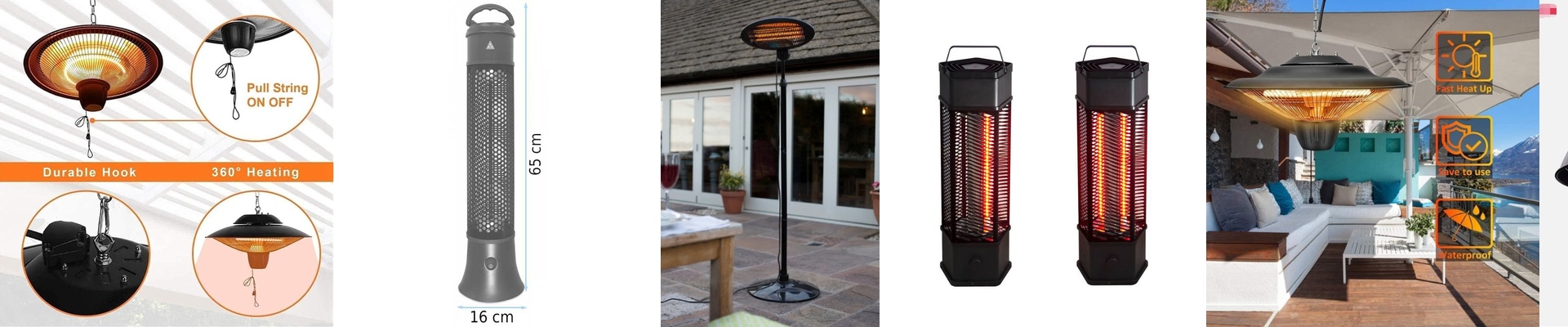
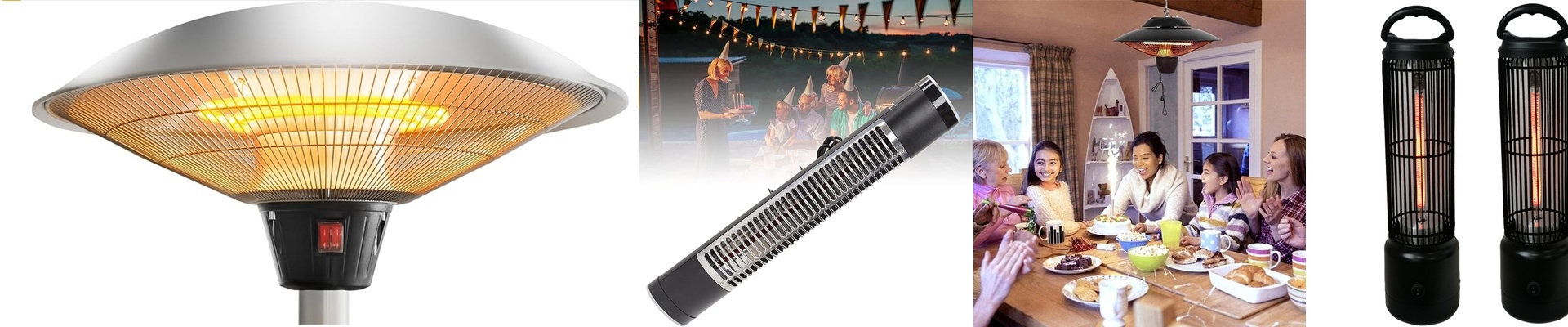
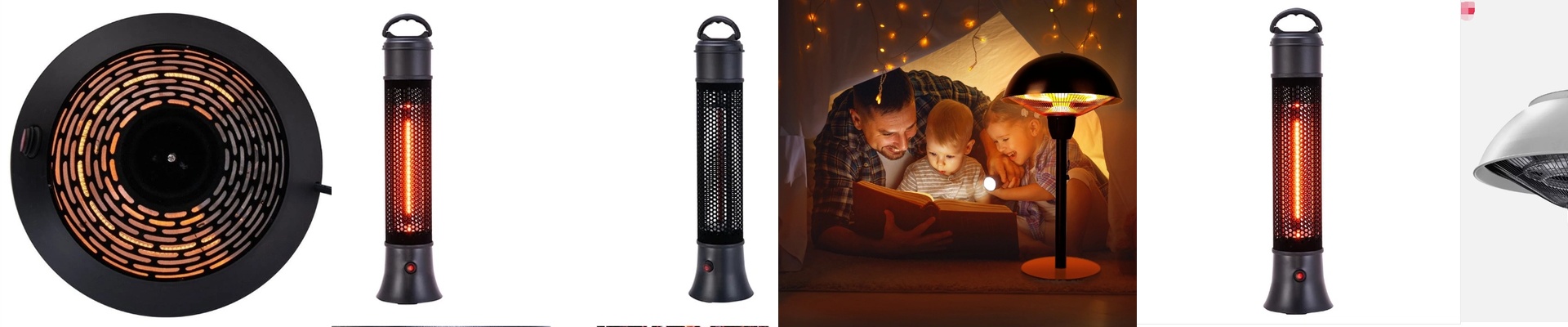
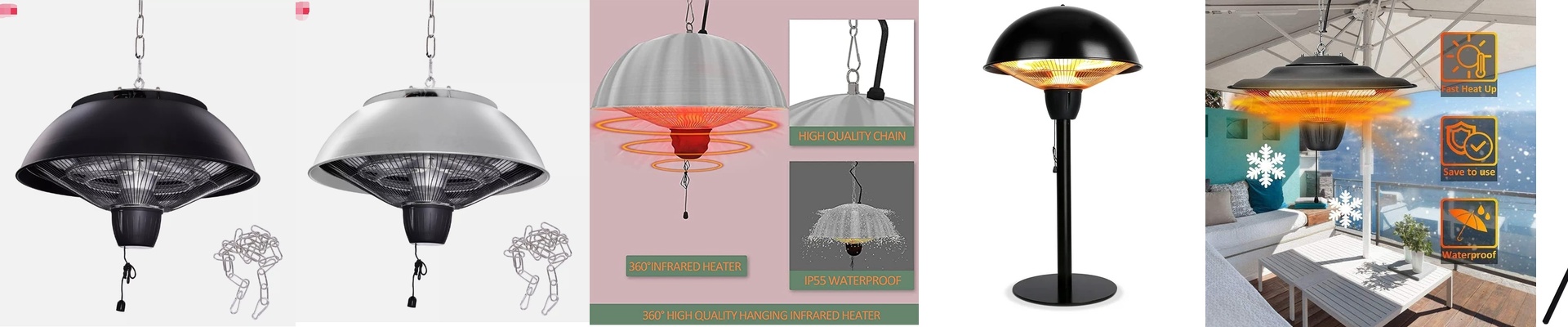
If you’ve got a room with massive ceilings, you know the struggle. You turn on the heat, and it feels like you’re trying to warm up the entire atmosphere. By the time the air at the top of the room is warm, the heat just stays there, leaving you shivering on the floor. That’s why infrared is a lifesaver. It doesn’t bother with the air. Instead, it shoots heat straight at you and your furniture. It’s like standing in the sun on a crisp October day. You feel it instantly.
Getting the Tech to Talk
The tricky part is that these heaters are basically industrial beasts, while our smart home gadgets are… well, gadgets. You can’t just plug a high-wattage heater into a cheap smart plug and hope for the best. If you do, you’ll likely end up with a melted piece of plastic and a tripped breaker. To make this work, we use heavy-duty relays and IoT controllers. Think of the smart gateway as the brain and the relay as the muscle. When you tap a button on your phone, the gateway tells the relay to snap shut, completing the circuit and firing up the heaters. No waiting. No “warming up” the room. The filaments glow, and you’re warm. Period.
The Boring (But Important) Electrical Stuff
You have to be careful with the wiring here. These units pull a lot of power. You’ll need a dedicated circuit and a relay that can handle the “inrush current”—that big gulp of electricity the heater takes the second it turns on. If the hardware isn’t rated for the wattage, it’ll burn out faster than you can say “smart home.”
A Few Things to Watch Out For
Everything sounds great until you flip the switch and the power goes out in the whole house. Because these heaters demand so much energy all at once, they can overwhelm an old electrical panel. A pro tip? Don’t turn every zone on at the exact same second. Stagger them. Give the system a moment to breathe between each zone starting up. And then there’s the sensor problem. If you slap your temperature sensor right next to the heater, it’s going to get hot almost immediately. The system will think the whole room is a sauna and shut off, leaving the far corners of the room freezing. Put your sensors where you actually sit. That way, the heat stays on until you’re actually comfortable.