

Getting Your Bathroom Heat Just Right
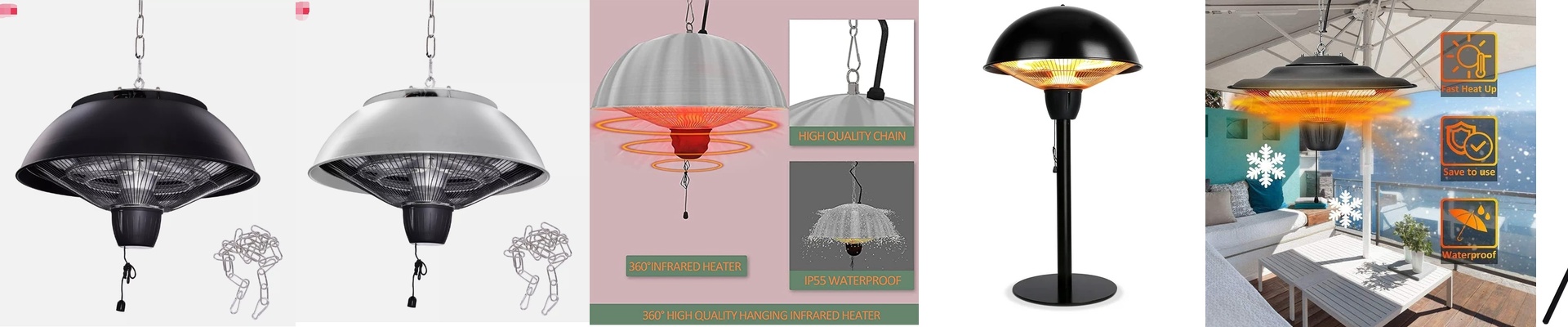
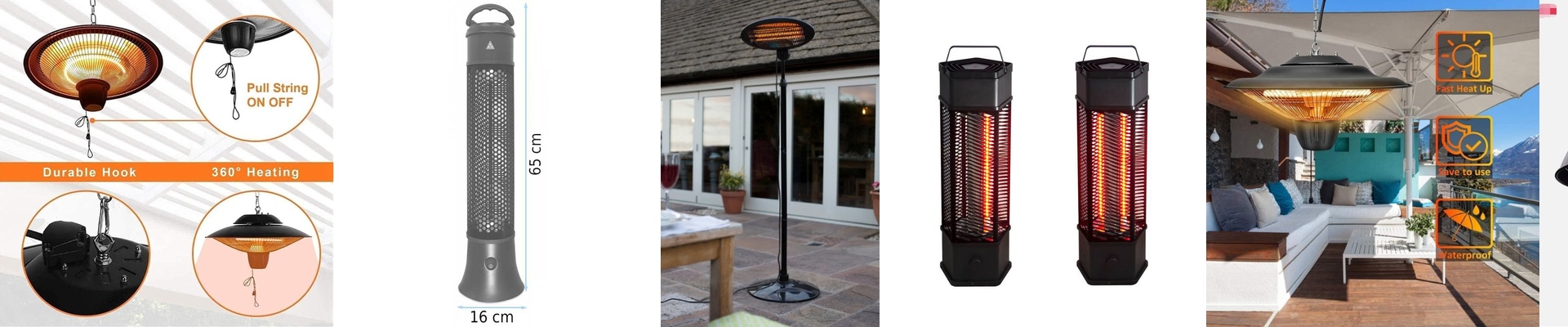
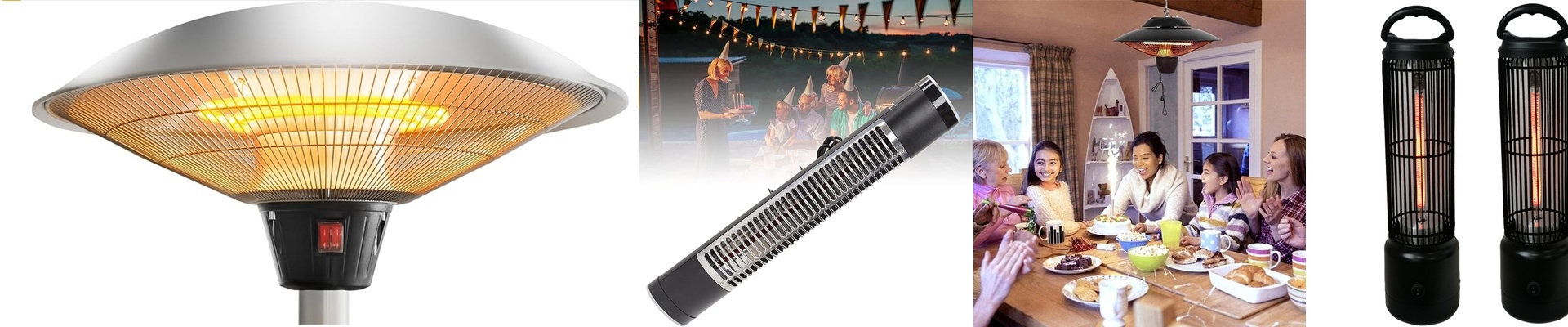
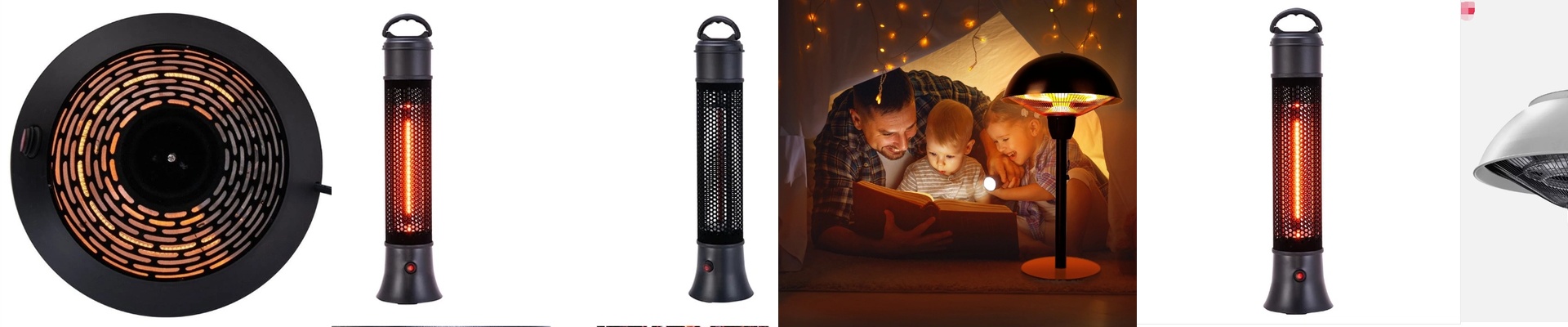
When you’re picking out infrared heaters for a bathroom, you’re fighting two things: the cold and the steam. That’s why we use IPX4-rated housings. It’s basically a fancy way of saying the electronics won’t fry the moment a few splashes of water hit them. But the real trick is getting the wattage right. Get it wrong, and you’re either wasting money on electricity or standing there shivering in a towel.
Let’s talk wattage
Here is the thing about infrared: it doesn’t actually warm up the air. It warms up whatever it hits. You. Your skin. The floor. If you’ve got a tiny powder room (under 4m²), you don’t need a monster. A small lamp—somewhere between 400W and 600W—does the trick. Go any higher and you’ll overshoot the temperature, which just makes your thermostat click on and off every two minutes. It’s annoying and inefficient. For those bigger bathrooms (6m² to 10m²), you’ll want to jump up to 800W or 1200W. But here’s a pro tip: don’t just throw in one massive unit. It’s much better to split the load between two smaller lamps. You get a nice, even glow of heat across the whole room instead of one “hot spot” that feels like you’re standing too close to a campfire.
The humidity factor (and your ceilings)
Steam is a heat-killer. Water vapor pulls warmth away from your body fast. To beat that, we use quartz glass and specific reflectors to push those IR waves straight down on you. Also, keep an eye on your ceiling height. This is where people usually mess up. A 1200W lamp in a room with 3-meter ceilings is going to feel way weaker—maybe like a 600W lamp—than it would in a room with 2-meter ceilings. The heat just dissipates before it ever reaches you.
Power vs. Your Wiring
More wattage means more warmth, but it also puts a lot of pressure on your electrical circuit. If you try to cram three 1200W lamps onto one standard residential line, you’re probably going to trip the breaker. It’s not fun to be in the dark and cold. Always double-check your amperage before you go for the max wattage. If your wiring can’t handle the load, just drop the wattage a bit. You can even use a reflective ceiling coating to bounce more of that heat back down to where it belongs.