
Why Most Heaters Fail in Damp Spaces (and How We Fixed It)
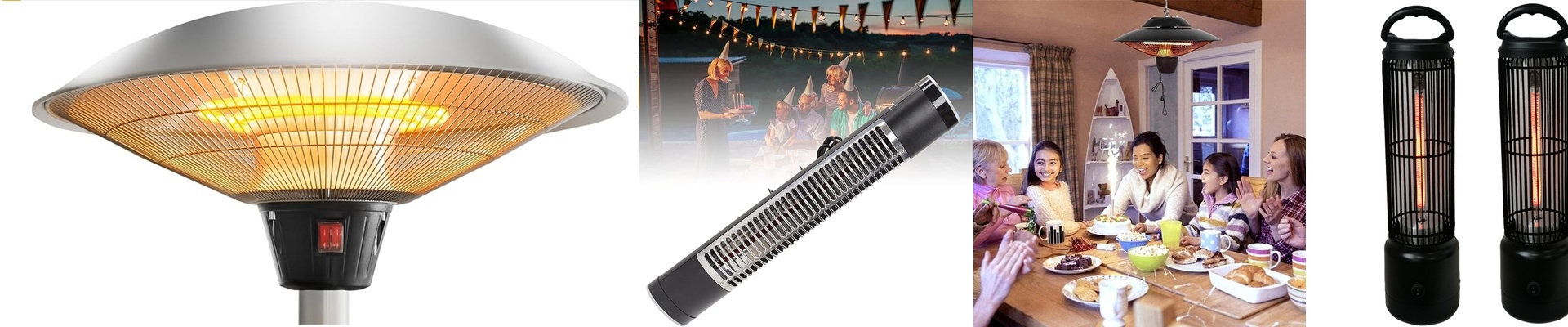
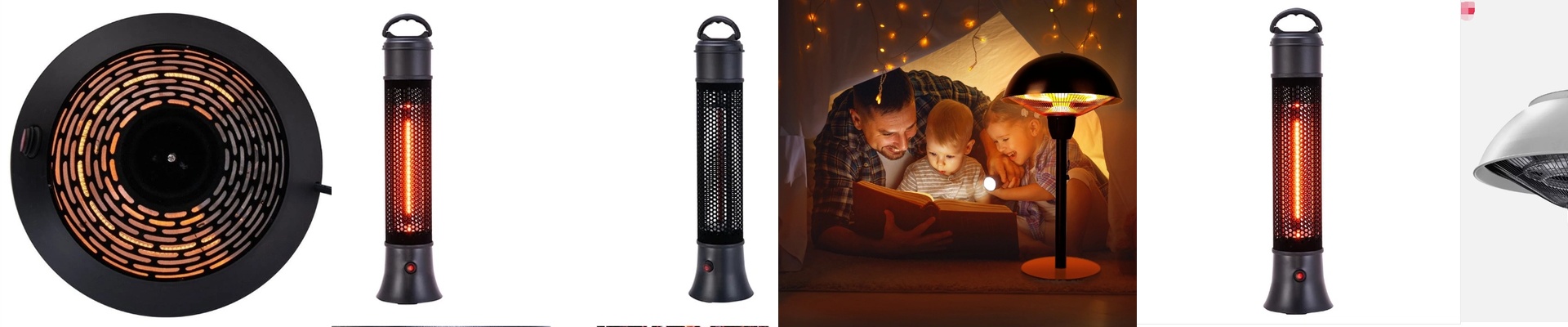
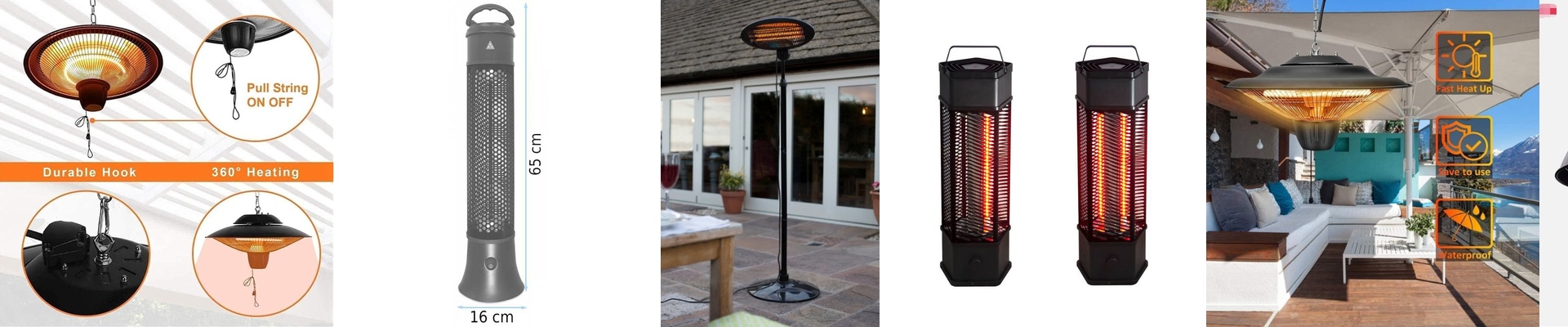
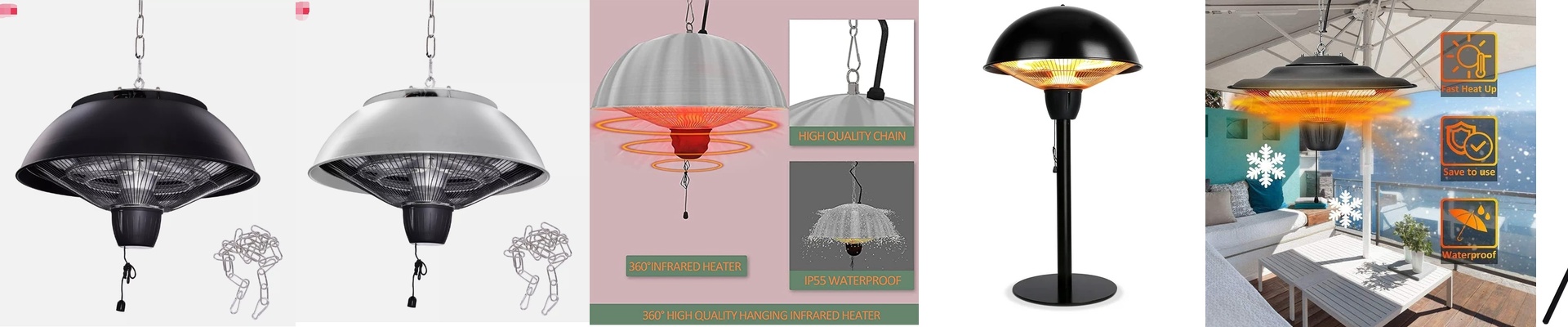
Most heaters try to warm up the air. The problem? Air is terrible at holding onto heat, especially when it’s freezing and damp. You end up waiting forever for the room to feel cozy, and even then, the heat just floats to the ceiling. We do things differently. Our infrared heaters skip the air entirely and send the heat straight to whatever—or whoever—is standing in front of it. It’s instant. You flip a switch, and you feel the warmth on your skin immediately. No waiting around. The secret is in the speed. Think about those old oil-filled radiators. You turn them on, go make a coffee, maybe take a shower, and then it starts to get warm. Our units use high-density elements that hit their peak temperature in a heartbeat. They send out electromagnetic radiation that makes water molecules vibrate. It sounds technical, but all it really means is that you go from shivering to warm in a few seconds. But here is the real challenge: where these heaters actually live. If you’re putting a heater in a chicken coop or a locker room, you’re dealing with a nightmare environment. You’ve got thick humidity, ammonia fumes, and dust floating everywhere. That stuff eats through cheap electronics. We don’t take chances with that. We use heavy-duty seals and wrap the elements in quartz or specialized glass to keep corrosion away. We spend a lot of time obsessing over the gaskets where the wires enter the unit. Why? Because if a seal fails, the whole thing shorts out. And nobody wants to deal with a dead heater in the middle of January. A few things to keep in mind for the setup. You can’t just plug these into a cheap power strip. These lamps pull a lot of current, and if you don’t give them a dedicated circuit, you’re looking at tripped breakers or, worse, a fire risk. Then there’s the placement. Since the heat travels in a straight line, you have to be smart about where you mount them. If you hang the heater too high, the heat loses its punch by the time it hits the ground. But if you mount it too low? Now you’ve got a safety hazard for your animals or your guests. It’s all about finding that sweet spot—enough power to cut through the chill without melting the plastic trim on your walls.