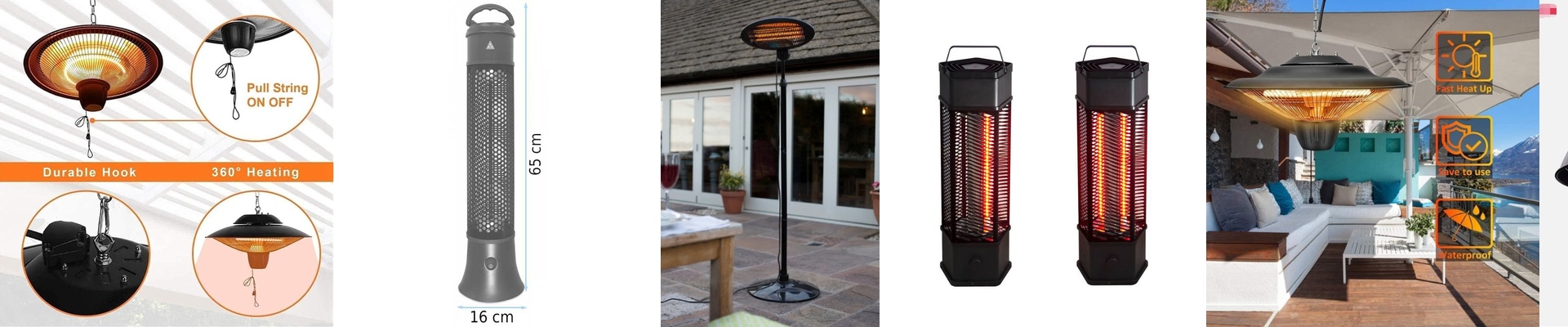
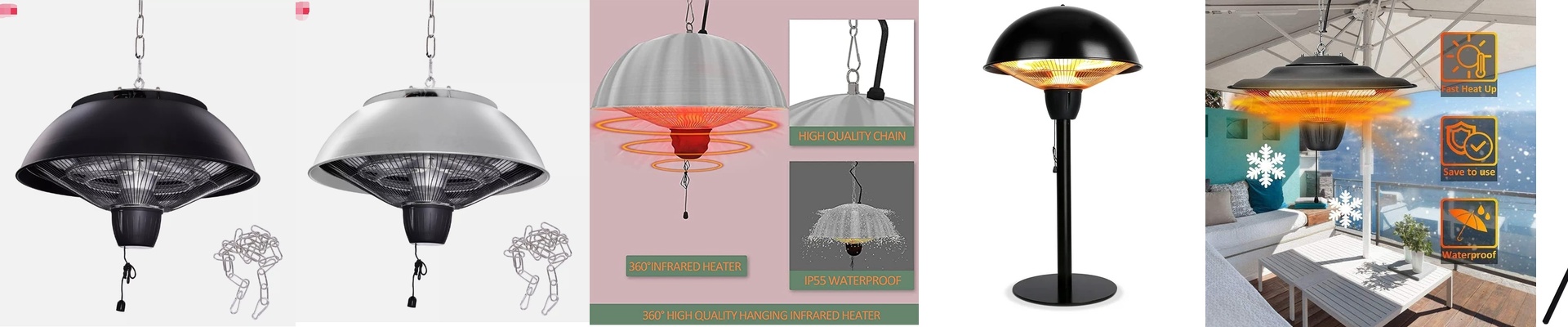

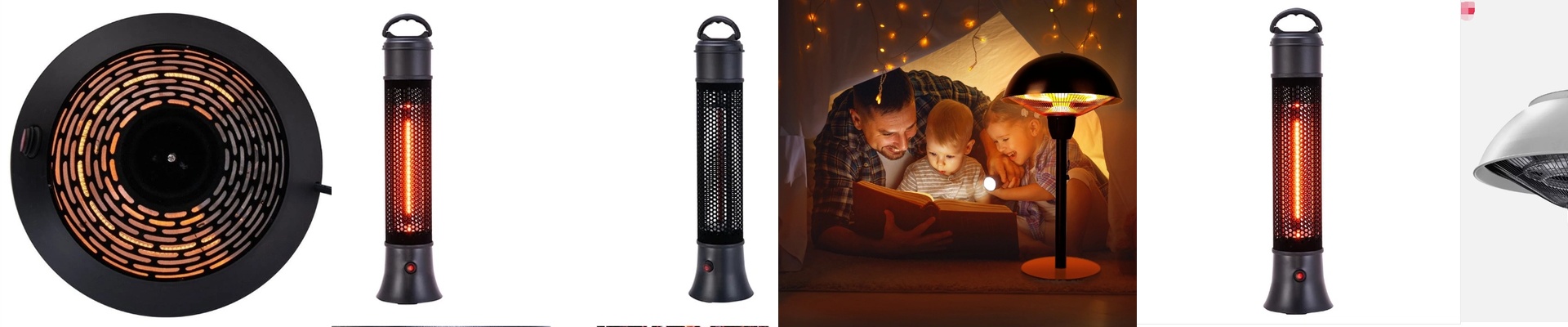
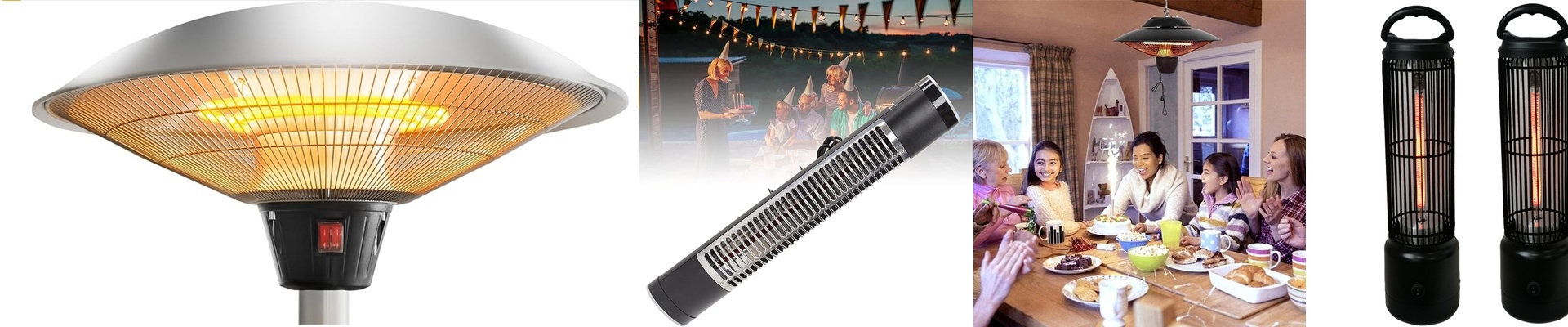

Stop Your IPX5 Infrared Heaters From Shorting Out
If you’ve ever had an industrial infrared heater die on you, you probably know the culprit: water getting into the lead-wire junction. It’s a nightmare. When you’re shopping for a heater rated for IPX5, it’s easy to think a simple rubber boot is enough. But here’s the thing—if that seal bakes and cracks every time the heater cycles on and off, that boot is basically useless.
Why these heaters actually fail
Most standard heaters use basic potting compounds. They look fine at first. But the heat from the quartz tube travels back through the leads, creating a thermal tug-of-war that eventually destroys the sealant. Once a tiny crack forms, moisture crawls in. In a high-voltage setup, that’s a recipe for disaster. You get carbon tracking, a loud pop, and a dead heater. We handle this differently. We use high-temp silicone and specialized epoxy resins that can actually take the heat. Instead of just slapping some coating on the wire, we create a tight, air-tight bond between the wire and the housing. It stays waterproof even when the lamp is cranking out max wattage.
The difference in the details
Cheap assembly lines love to cut corners. They skip the degreasing or use glues that can’t handle the temperature. These units look great on day one. Then they burn out a month later. We use a specific curing cycle to make sure the sealant chemically bonds to the insulation. This stops “shrink-back”—that annoying gap that opens up when the sealant pulls away from the wire during heat-up. That gap is exactly where water loves to hide.
One quick tip for installation
There is a trade-off here. Because the seal is so tight, the lead wires are a bit stiffer. Don’t force them. If you bend the wires too aggressively right at the seal point, you might stress the bond and ruin the waterproof seal. Just give the wiring a natural, easy curve during setup, and you’ll be good to go.