


How to Actually Keep People Warm in Open Spaces
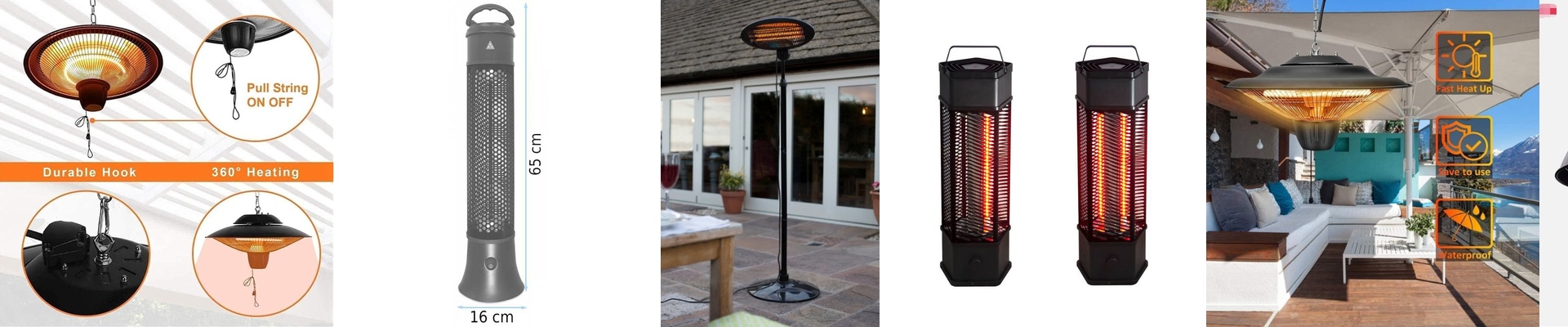
If you’ve ever tried to heat a locker room or a changing area with a standard heater, you know the struggle. You pump hot air into the room, but that air just floats straight to the ceiling, leaving everyone on the floor shivering. That’s why we use ceiling-mounted infrared heaters. Instead of fighting with the air, these things beam heat directly onto people’s skin and clothes. It’s immediate. No waiting around for the room to “warm up”—you just step under it and feel the heat.
The Magic of Shortwave Heat
We stick with shortwave infrared for these setups. Think of it like a flashlight, but with heat. It travels in a straight line and doesn’t drift. By mounting the units overhead, we create a “cone” of warmth that hits the floor. It’s the best way to kill that miserable “cold feet” feeling you get in big, drafty halls. You step in, and you’re warm. Period.
Getting the Hardware Right
Most of these units run on industrial voltage so they can push out enough power without tripping your breakers. Inside, they use high-density quartz tubes. These are great because they hit the right temperature in a matter of seconds. But here is the tricky part:you have to match the wattage to your ceiling height. If your ceiling is 4 meters high, you need a beefier unit to make sure the warmth actually reaches the floor. On the flip side, if you put a high-power unit in a room with low ceilings, you’ll end up baking people’s heads while their toes are still freezing. It’s all about the balance.
Setting Them Up (and Keeping Them Running)
A quick tip on wiring: use heat-resistant cables. If you use the cheap stuff, the insulation can melt right near the chassis, and that’s a mess nobody wants. I also highly recommend adding a motion sensor or a timer. There’s no point in burning electricity—and wearing out your equipment—when the room is empty. One last thing. These tubes are magnets for dust. Over time, a layer of grime builds up on the glass, which blocks the heat and can actually cause the tube to overheat and snap. Just make sure someone wipes them down every few months. A little bit of cleaning goes a long way in keeping the heat steady.