
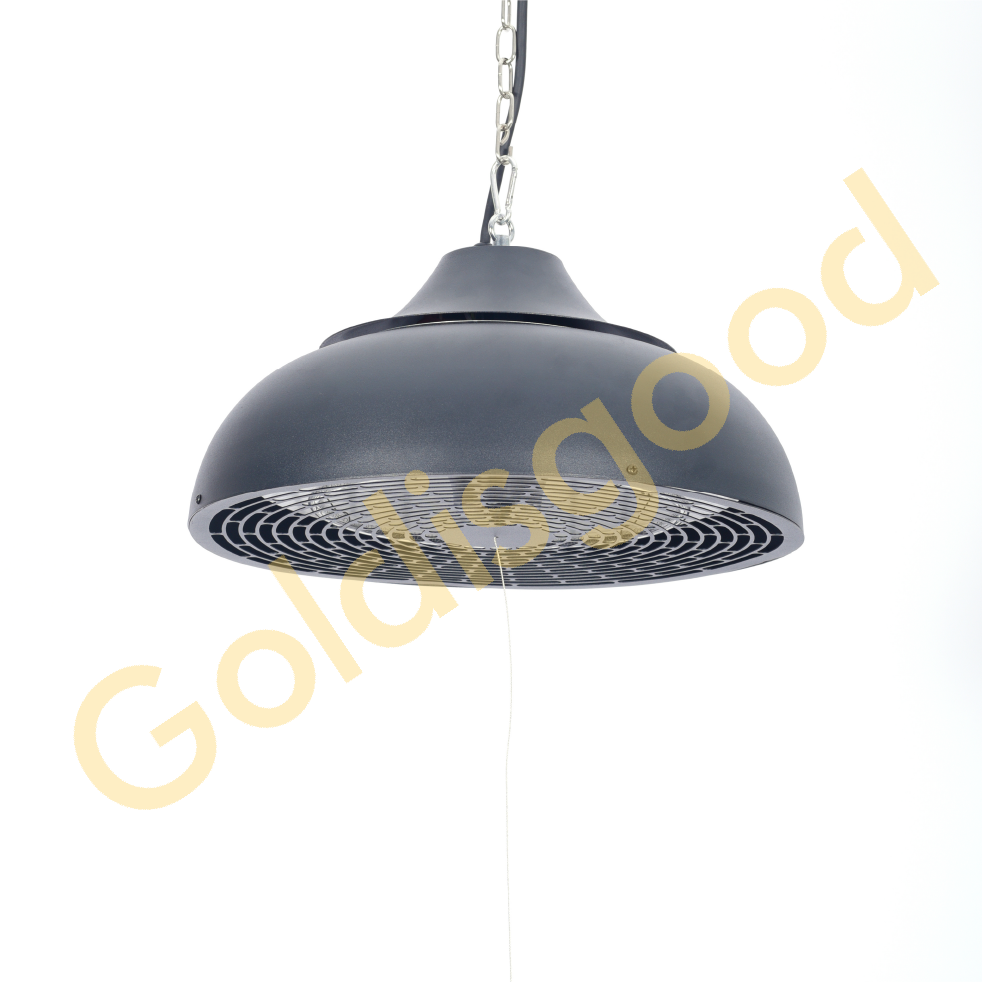
Making Bathroom Heaters That Don’t Blind You
When we design infrared heaters for bathrooms, we’re fighting a weird battle. It’s not just about getting the room warm—it’s about managing the light. Think about a baby in a bath. Their eyes are sensitive. A standard halogen lamp is basically a spotlight; it’s too bright, too harsh, and the UV output is just too much for a little kid’s developing eyesight. Nobody wants a heater that feels like an interrogation lamp. Tuning the light Most short-wave lamps are just… aggressive. To fix that, we tweak how the light is emitted. We push the energy toward the long-wave infrared side of things. The result? You get that cozy, skin-warming heat, but the blinding glare disappears. No more squinting. No harmful UV. Just warmth. The guts of the lamp We wrap the filament in high-purity quartz. Why? Because bathroom heaters get flipped on and off constantly. That rapid temperature swing would crack cheaper glass. But we don’t stop at the glass. We add a special coating to the tube to filter out that sharp, high-frequency blue light. It turns the glow into something soft and mellow. The trade-offs Now, here’s the honest part. Putting these into a waterproof housing is a bit of a puzzle—everything has to be sealed tight so moisture doesn’t fry the electronics. And because we’re filtering the light to keep eyes safe, you lose a tiny bit of that “instant” heat you get from a raw industrial lamp. It’s a small trade, but it’s the right one. Safety wins over raw speed every time. A quick heads-up If you’re putting these into a residential product line, don’t just swap them in. These aren’t basic heat lamps. Your driver needs to handle a specific load and a controlled power curve. If you don’t, you’ll burn out the filament and ruin that filtered spectrum we worked so hard to get.