
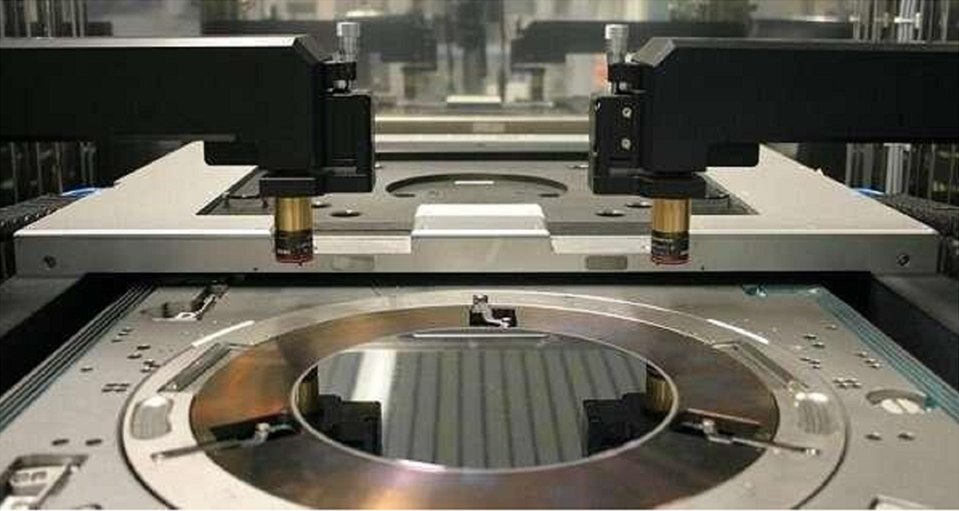
Why We Ditched Ozone in Our IR Curing
In semiconductor fab, “clean” isn’t just a goal—it’s everything. If you leave even a tiny bit of chemical residue behind, you’ve got a problem. That’s why we moved to ozone-free infrared (IR) lamps. Most traditional short-wave IR systems accidentally pump out O3 (ozone) as a byproduct. Not great. By cutting that out, we’re not just ticking a “green” box for industry standards; we’re actually protecting the hardware.
The Science (Without the Boring Parts)
Here is what’s happening under the hood. Standard IR lamps usually throw out radiation in the 185nm to 254nm range. That specific energy hits the oxygen in the air and splits it apart, which creates ozone. In a cleanroom, ozone is basically a nightmare. It eats away at delicate metal traces and ruins organic polymers. To stop this, we use special coatings and dopants in the quartz tubes. These act like a filter, blocking the VUV (Vacuum Ultraviolet) spectrum. You still get all that intense heat density you need, butnone of the corrosive gas.
Stop Heating the Air
Think about a giant convection oven. You’re spending a ton of money and electricity just to heat up a massive box of air. It’s wasteful. IR lamps are different. They hit the substrate directly. It’s faster. It’s leaner. Because we aren’t wasting energy warming up the entire room, the power draw per wafer drops significantly. You’re heating the part, not the atmosphere.
The Honest Truth About the Switch
I won’t tell you it’s a magic wand. There are a few things you’ve got to keep in mind. Since we’re filtering out those specific wavelengths to kill the ozone, the spectral distribution shifts a bit. You can’t just flip a switch and walk away. You’ll likely need to tweak your conveyor speed or adjust the lamp height to get your curing profile exactly where it needs to be. And if you’re running a high-speed line? Make sure your PID controllers are tuned for the specific response time of these filtered lamps. The good news is that we built these to be drop-in replacements. You can keep your current setup and footprint, but you can finally stop worrying about contamination.