
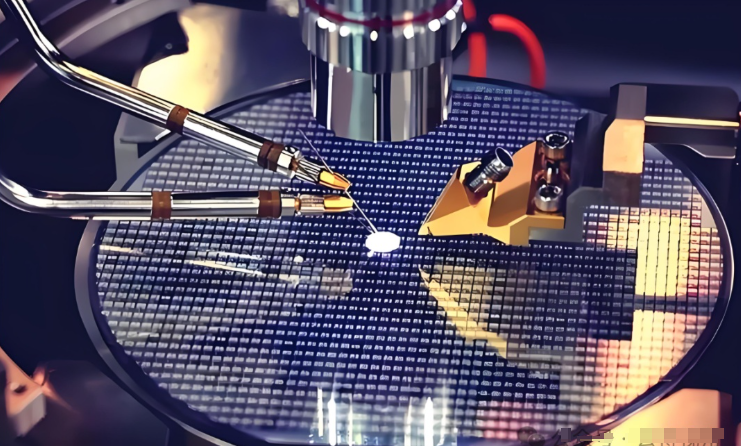
Why Vacuum IR Curing is the Way to Go for Lead-Free Chips
The semiconductor world is cleaning up its act. Between environmental laws and a push to ditch lead and nasty solvents, the old way of doing things just doesn’t cut it anymore. If you’re trying to make this switch, vacuum-compatible infrared (IR) heaters are probably your best bet. Think of them as a smarter, cleaner alternative to those old convection ovens that just blast hot air everywhere.
How it actually works in a vacuum
Here’s the thing: once you pull the air out of a chamber, convection is gone. You can’t “blow” heat onto a part because there’s nothing to blow. That’s where IR lamps come in. They use short-wave radiation to hit the substrate directly. It’s a direct line of energy. Because of that, you don’t have to rely on lead-based fluxes or weird chemical catalysts just to get the heat to penetrate. We also make sure the quartz envelopes are sealed tight. No outgassing. No random particles landing on your wafer. Just a clean, focused cure.
Saving time and keeping your cool
Traditional ovens are energy hogs. You have to heat up the entire room—the walls, the air, the racks—just to heat one tiny chip. It takes forever. With IR, you’re targeting the workpiece.**It’s instant.**You go from off to full heat in seconds, not hours. But the real win is the control. Lead-free solders are picky. They have a tiny temperature window where they actually work. If you go too hot, you fry the chip. Too cold, and the bond just peels off. IR lets you nail that sweet spot every single time.
A few things to keep in mind
It’s not all magic; there are some trade-offs. First, these lamps pull a lot of juice the moment you flip the switch. You’ll want to double-check your electrical panels to make sure they can handle that initial surge without tripping a breaker. And since you’re working in a vacuum, heat doesn’t just “drift away.” You have to be intentional about your cooling manifolds. If you don’t pull the heat away from the lamp ends, you’re going to burn out your sockets. Get the plumbing right, and you’ve got a system that’s fast, clean, and actually reliable.