
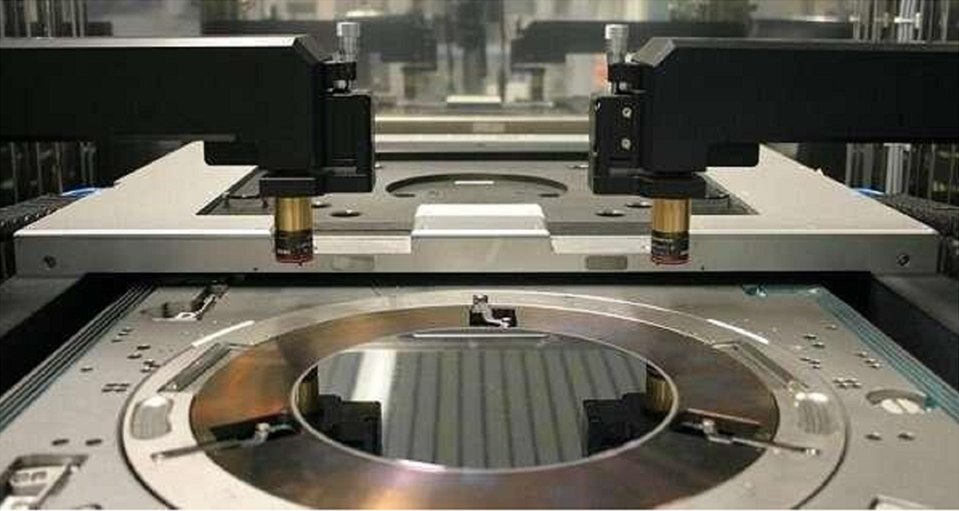
Stop wasting time heating air: Why gold reflectors and IR actually work
Let’s be honest. Trying to heat a semiconductor wafer by blowing hot air around a chamber is a slog. You’re basically spending half your time just waiting for the air to warm up the substrate, all while wasting a ton of energy heating up the empty space in the room. It’s inefficient. That’s why we use infrared (IR) bulbs and gold reflectors. Instead of messing around with the air, we send the heat straight into the material. It’s radiation, not a breeze. Why gold? You’ll see plenty of aluminum reflectors out there, but they leak too much energy. Gold is different. It’s incredibly good at bouncing infrared light back exactly where it needs to go. When you use gold, the photons don’t get absorbed by the housing; they hit the target. You get a tight, intense heat footprint. It’s less about “more” heat and more about putting that heat exactly where you want it. The real-world difference Hot air relies on convection, which is slow. It’s also patchy—you often end up with “cold spots” across your wafer. IR is instant. In a deep processing setup, this moves your ramp-up time from minutes down to seconds. That’s where the real win is. When you stop waiting on the air to warm up, your throughput jumps because the “dwell time” just disappears. You get more done, faster. The catch (because there’s always one) High-intensity IR isn’t some magic button you just press. It’s aggressive. If your wafer is too thin, or if your PID controller isn’t tuned for a fast response, you can easily overshoot your temperature and scorch the whole thing. You’ve got to make sure your sensors and cooling fans are actually up to the task of handling those rapid thermal spikes. One last thing: keep those gold reflectors clean. A little bit of dust or oxidation might not look like much, but it kills your reflectivity. If that happens, your bulbs have to work twice as hard to compensate, which just burns them out faster. Wire them into a precision power supply, keep them spotless, and you’re good to go.