
Stop Waiting on Your Wafers: Why IR Beats Hot Air
If you’ve spent any time in semiconductor deep processing, you know the rinse stage is usually where everything slows down. It’s the classic bottleneck. I still see plenty of shops using hot air circulation to dry their wafers. Sure, it gets the job done. But man, it takes forever. If you switch over to waterproof infrared (IR) lamps, you’re basically changing the rules of the game.
Let’s talk about time
Hot air is all about convection. You heat up the air, blow it across the surface, and just… wait. You’re waiting for the moisture to evaporate, which is a slow, tedious process. IR is different. It uses radiant energy. The heat moves in straight lines and hits the wafer surface instantly. We’re talking about seconds here, not minutes. When your drying time drops that sharply, you suddenly have a lot more room on your floor because your drying line doesn’t need to be a mile long.
Dealing with the “Wet” Problem
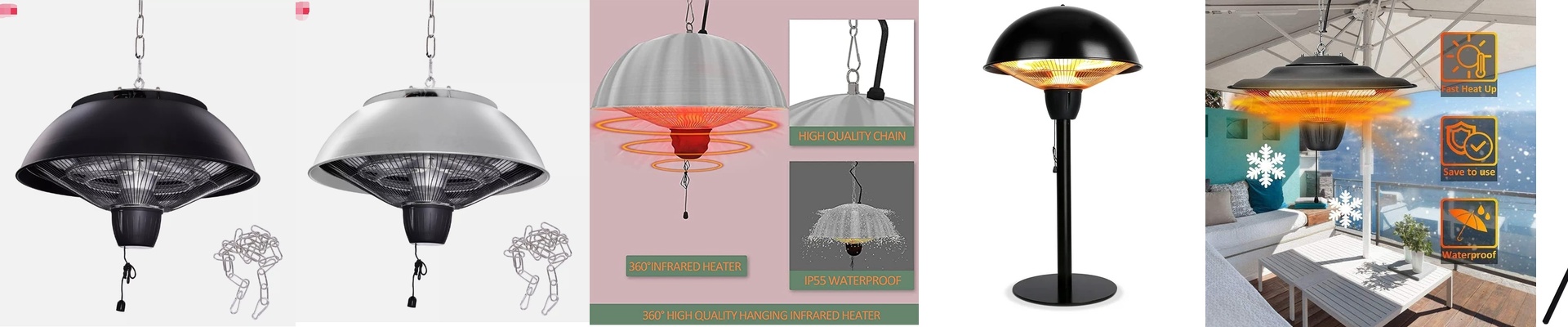
Here’s the tricky part: rinse stages are wet. If you just throw a standard IR tube in there, it’s going to short out or crack the second a drop of water hits the hot quartz. It’s a disaster. That’s why we use lamps with waterproof seals and special coatings. They can sit right in those high-humidity zones without the filaments burning out. Plus, these things react instantly. A hot air oven takes an age to warm up or cool down. With IR, it’s on or off in a heartbeat. You just need a solid control loop to keep it precise.
The Catch
Now, it’s not all magic. High-intensity IR packs a massive punch of heat. That’s great for speed, but it’s a lot for the substrate to handle. If you go too heavy on the wattage or mount the lamps too close, you’ll warp the wafer. It happens. You’ve got to spend some time calibrating the height and power to match exactly how thick your material is. Moving from hot air to IR isn’t just swapping out a part. It’s a whole new way of thinking about your cycle time. You’ll move wafers through the system way faster—just make sure your cooling stage can keep up with the pace.