
Stopping the Nightmare of a Burst Lamp
When you’re running high-load wafer curing, a lamp bursting isn’t just a “maintenance issue.” It’s a disaster. One second everything is fine, and the next, you’ve got quartz shards and halogen deposits all over your batch. That’s a lot of scrapped product and a huge headache for everyone involved. That’s why we don’t treat our reflectors as just tools to bounce IR radiation—we treat them as your first line of defense.
Keeping the Mess Contained
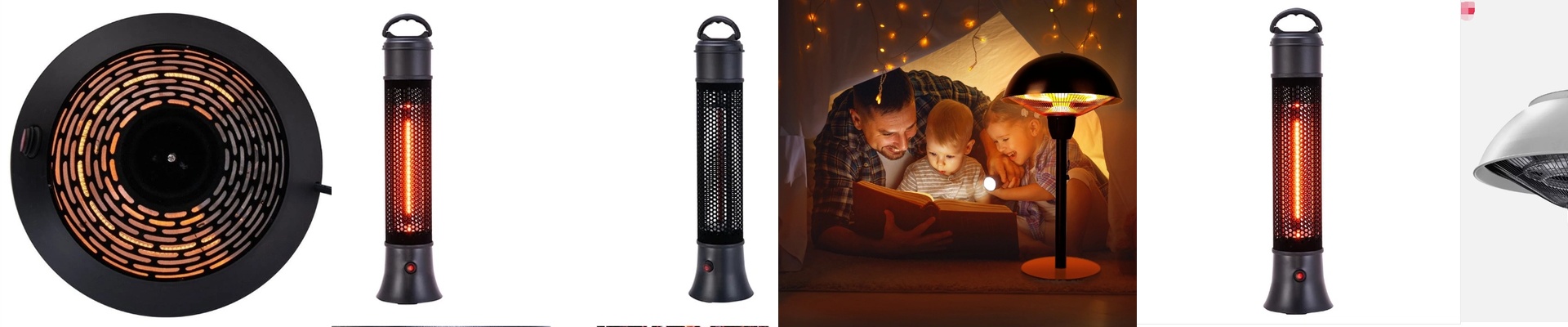
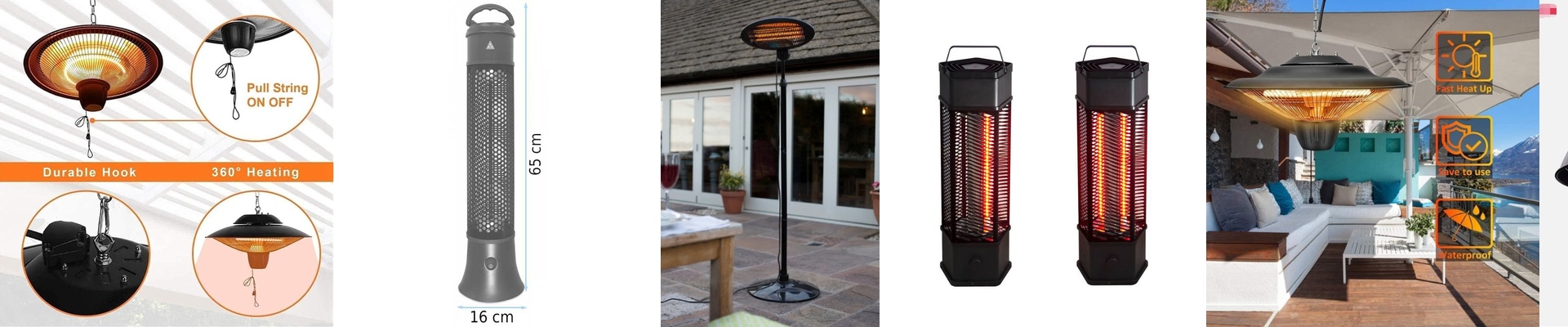
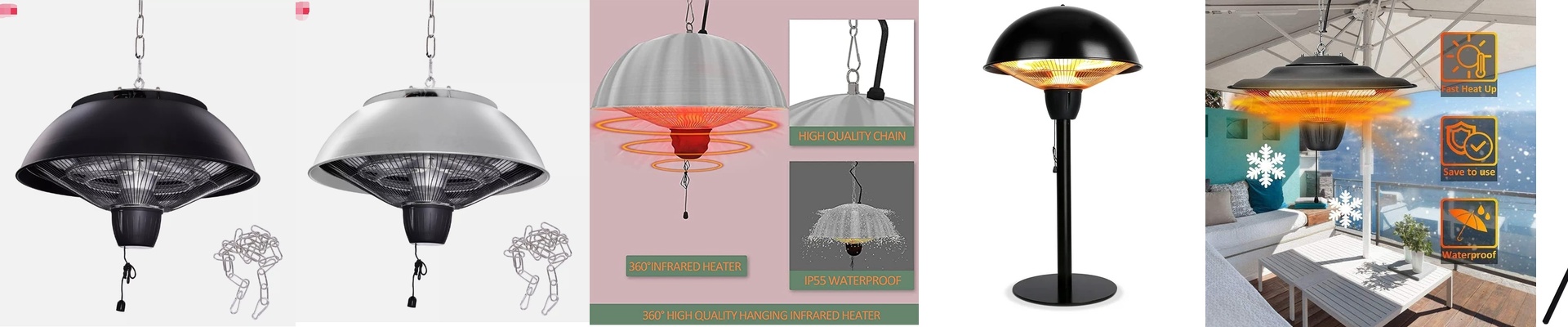
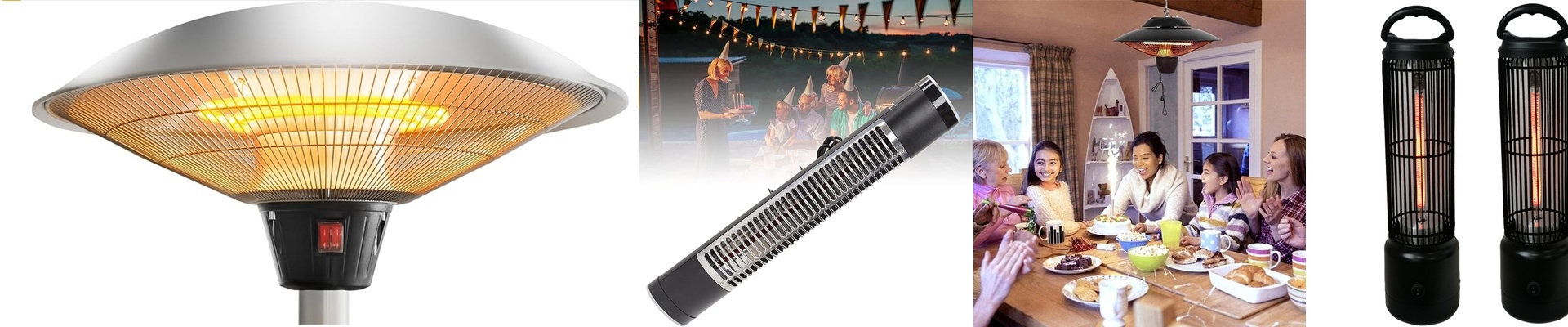
We use a deep-dish geometry or a protective shield that basically wraps around the lamp. Think of it as a safety net. If the quartz envelope gives out because of a power surge or thermal shock, the reflector housing catches the debris. Instead of a shower of glass landing on your wafers, the mess stays put. It turns a potential catastrophe into a controlled failure.
Staying Cool (and Lasting Longer)
We stick to high-purity aluminum or gold-coated surfaces. Why? Because they’re incredibly efficient at reflecting IR. Here’s the win: you can run your lamp at a lower wattage but still hit the exact same temperature on the wafer. When the lamp doesn’t have to work as hard, it doesn’t get as stressed. That means you aren’t swapping out tubes nearly as often. We also obsess over the mounting. If a tube sags even a tiny bit, you get hot spots. And hot spots are basically a countdown to a burnout. We keep things centered so the heat stays even.
The Trade-offs
Now, there’s a catch. Adding a shield or a deeper reflector takes up more room in your heating assembly. It also creates these little pockets of dead air around the lamp ends. If you don’t have the right cooling fans, that heat just sits there. Eventually, your connectors will oxidize and fail. To avoid that, we always suggest a forced-air setup. It keeps the end-caps cool and keeps the whole system humming along without any surprises.