
Stop the Bathroom Mold Before It Starts
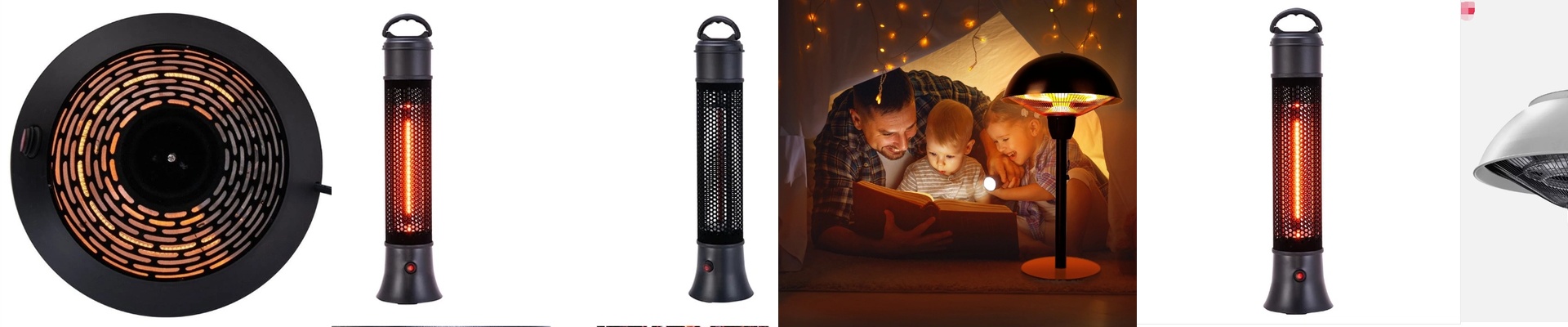
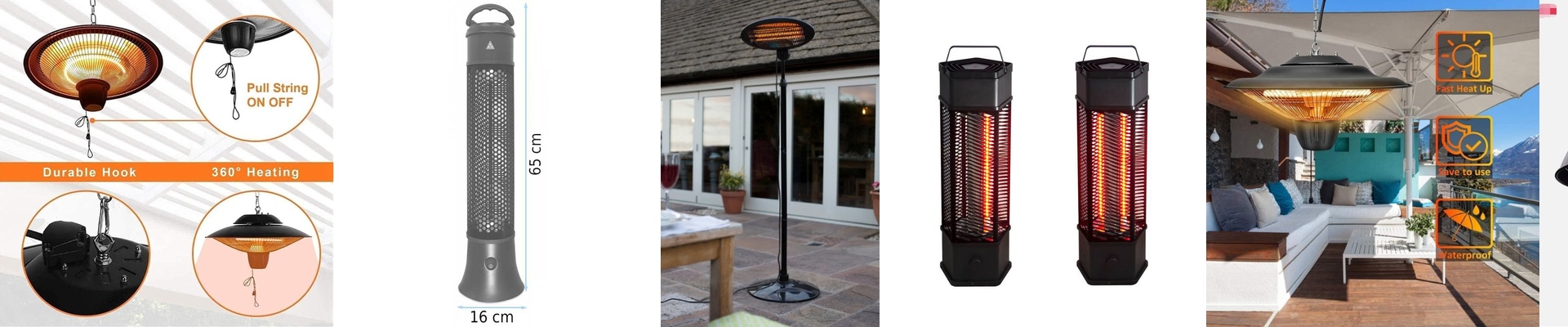
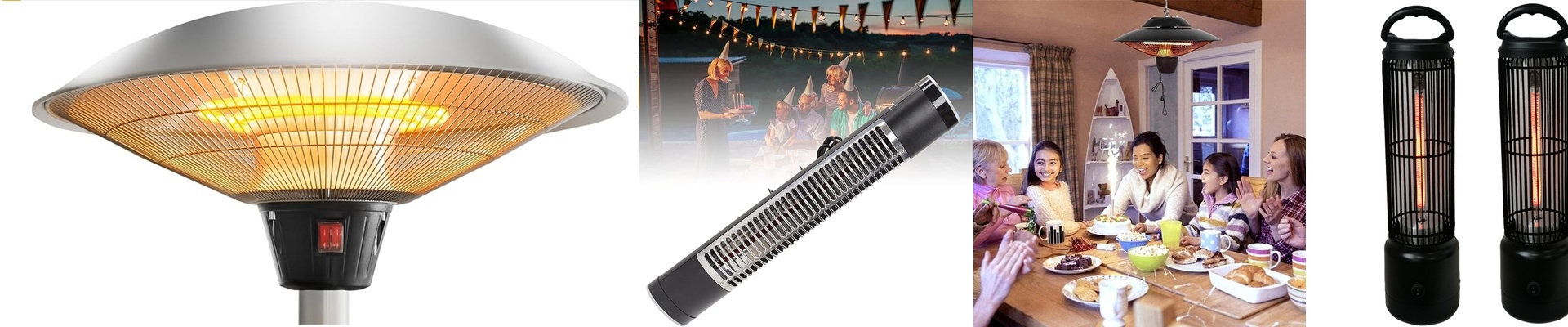
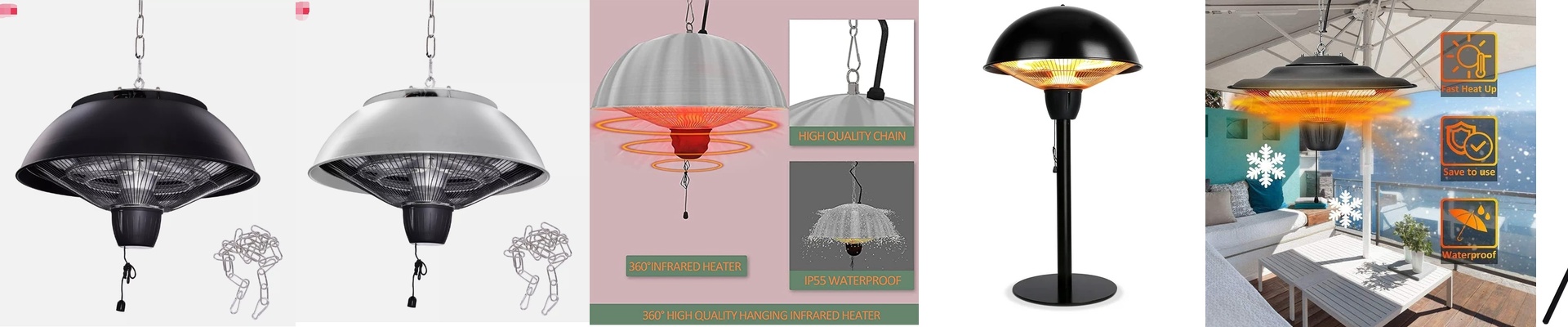
Most people put a heating lamp in the bathroom just so they don’t freeze when they step out of the shower. But there’s a much bigger reason to have one: moisture. Think of these recessed infrared heaters as a secret weapon for keeping your walls dry. They don’t just warm up the air; they go after the damp spots where mold loves to hide.
How it actually works
Here is the thing about shortwave infrared. Unlike a standard heater that just blows warm air around, IR radiation sinks deep into wet surfaces. When you flip the switch, the heat hits your tiles and floors directly. It warms them up fast, which forces all that trapped water to evaporate. It’s simple. If the surface is dry, mold can’t move in. By keeping your walls warm, you’re basically making your bathroom a “no-go zone” for spores.
A few things to watch out for
We like the recessed style because it keeps the ceiling looking clean while still covering a lot of ground. We usually set them for high-wattage bursts so the room feels warm in about two minutes. But—and this is a big but—check your wiring first. These lamps pull a lot of power the second they kick in. If you’re putting these into an old house with dated wiring, you might find yourself staring at a tripped breaker the moment you turn the heat on. It’s worth having an electrician double-check your circuits before you install them.
It’s a team effort
The heat from the lamp does something clever with the air. Because warm air rises, it naturally pushes the heavy, moist air toward your exhaust vents. It makes your vent fan’s job way easier. Instead of the fan struggling to move cold, damp air, the heater thins it out and shoves it right out the door. Now, this isn’t a replacement for your ventilation system. You still need the fan. But the heater acts like a catalyst, drying out those annoying cold corners where the fan usually can’t reach.