


Keeping Things Clean: The Reality of Wafer Heating
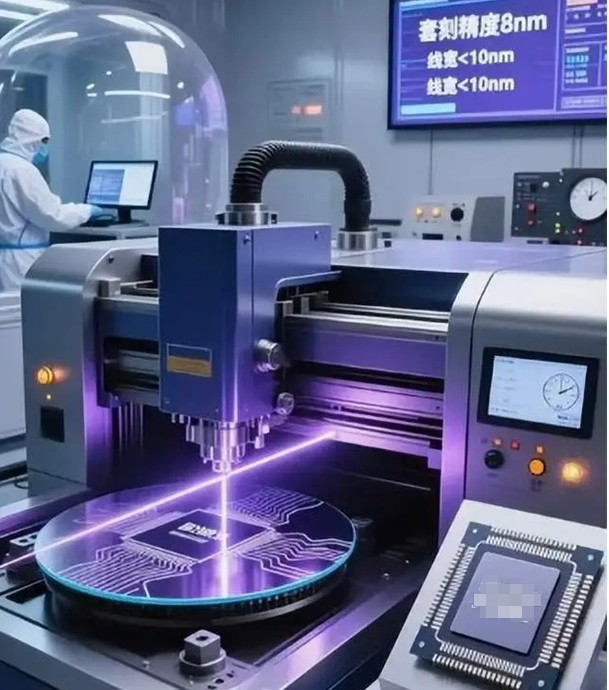
In the semiconductor world, a single microscopic flake of junk is a disaster. If you’re running a Class 100 cleanroom, you know the drill—one tiny piece of debris from a heating element and your whole wafer batch is toast. That’s why we don’t mess around with materials; we use high-purity synthetic quartz for our IR lamps. Why quartz? Well, standard glass is a nightmare under heat. It off-gasses and sheds particles right when you need it to be stable. High-purity quartz is different. It handles extreme heat without breaking down or leaking impurities into your environment. These lamps use shortwave IR radiation to send energy straight to the wafer. The best part? You aren’t heating up the entire chamber just to get the job done. This keeps your ambient room temperature steady, which makes everyone’s life easier. Cutting out the noise We’ve stripped away the stuff that usually fails. No adhesives. No cheap sealants that burn off and release nasty VOCs. Instead, we use a sealed, fused-quartz envelope. It gives you a thermal footprint that stays consistent, even as the lamp gets older. Then there’s the wiring. Loose connections lead to micro-sparks, and sparks create metallic dust. Not a good mix for a cleanroom. We use tight-tolerance connectors that lock everything in place, so you don’t have to worry about arcing or degradation. The trade-off Here’s the thing: high-purity quartz puts out an intense amount of heat. It’s great for ramping up quickly, but it puts a lot of pressure on your cooling manifolds. You’ll want to double-check that your heat sinks can handle the wattage. If you push the power too hard without enough airflow, your sensor arrays might overheat, and you’ll start seeing thermal drift in your controllers. It’s a balancing act. But when it’s dialed in? It’s simple. We designed these to be drop-in replacements. You swap them out, plug them in, and get your production line moving again.