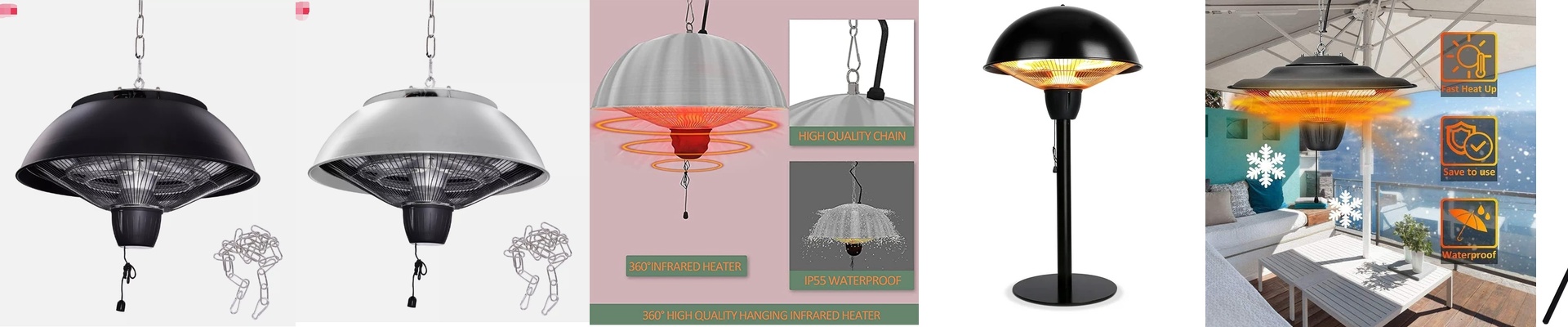

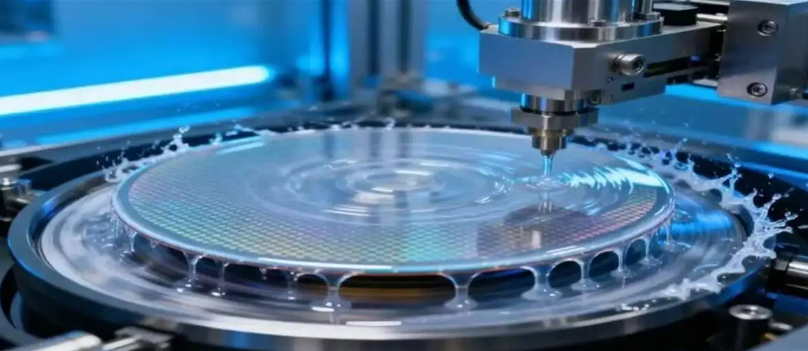
Out on the 300mm line, you can feel it when the bake profile starts to drift. Linewidths wander, and you start seeing scum after develop. When the hot zone is fighting the setpoint, you’re burning photoresist budget—and yield takes the hit. We built our infrared setup to stop that fight before it starts.
What matters, technically
The short-wave infrared emitter array is tuned for wafer-level thermal uniformity, holding ±0.1°C across the 300mm surface through soft bake, hard bake, and curing. Fast ramp response cuts thermal lag, so temperature tracks the recipe without overshoot. The hot zone is cleanroom compatible from Class 1 to Class 100, and it generates zero particles during steady state. You get 24/7 reliability with no unplanned downtime, and repeatability that keeps CD and thickness in spec lot after lot.
Why it plays in lithography
In lithography, soft bake is about solvent removal and managing film stress; hard bake locks the image and gets the resist ready for etch or implant. With uniform IR heat, glass transition behavior stays consistent across the wafer. Edge beads behave predictably, and critical dimensions hold. The payoff is fewer reworks, tighter distributions, and less scrap. Energy use drops, too. The system heats only the target area and ramps quickly, so thermal mass stays in check and utility draw follows suit.
The practical stuff
The hot zone is compact, and it has to integrate into the track or coat/bake module footprint. Clearance around the wafer handoff is tight, and airflow routing needs to match what the line already has for exhaust. Commissioning is short—you’ll tune lamp power, emissivity, and PID for your resist stack. Once set, the profile repeats. But if you change resist chemistry or move to thicker films, expect to recalibrate to keep the same uniformity and ramp performance.