Getting Your Outdoor Heaters to Actually Play Nice With Your Smart Home
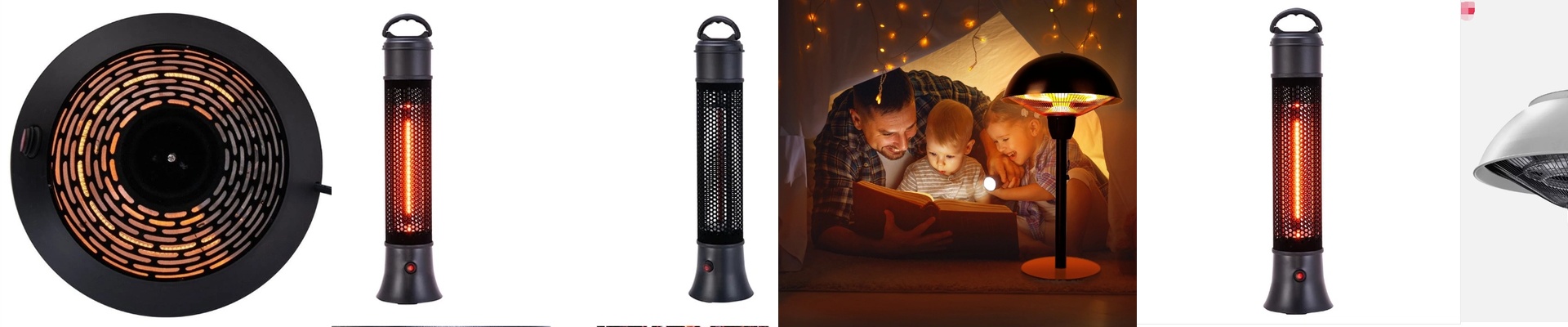
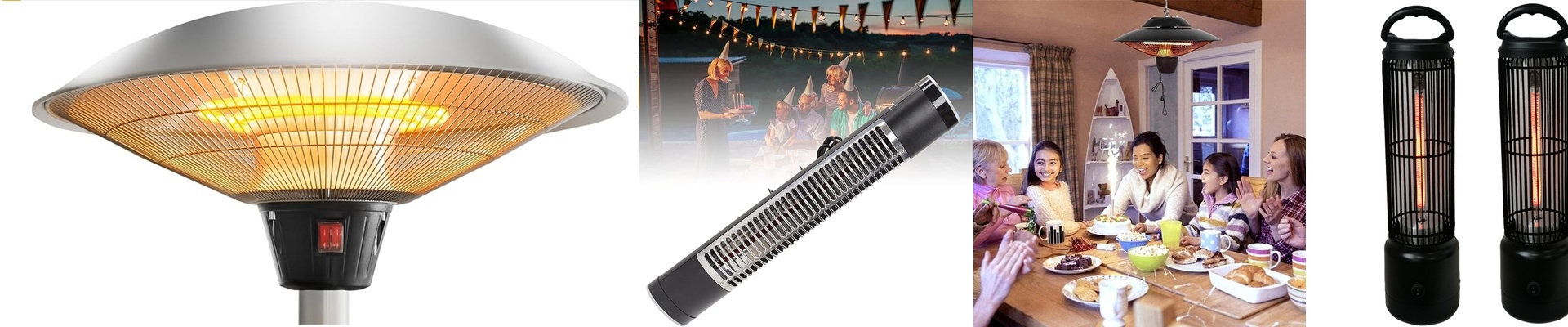
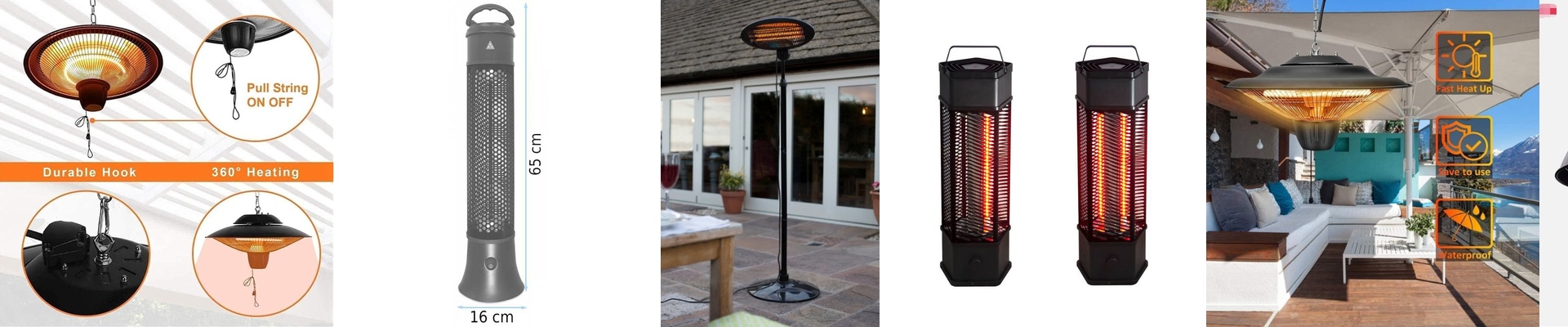
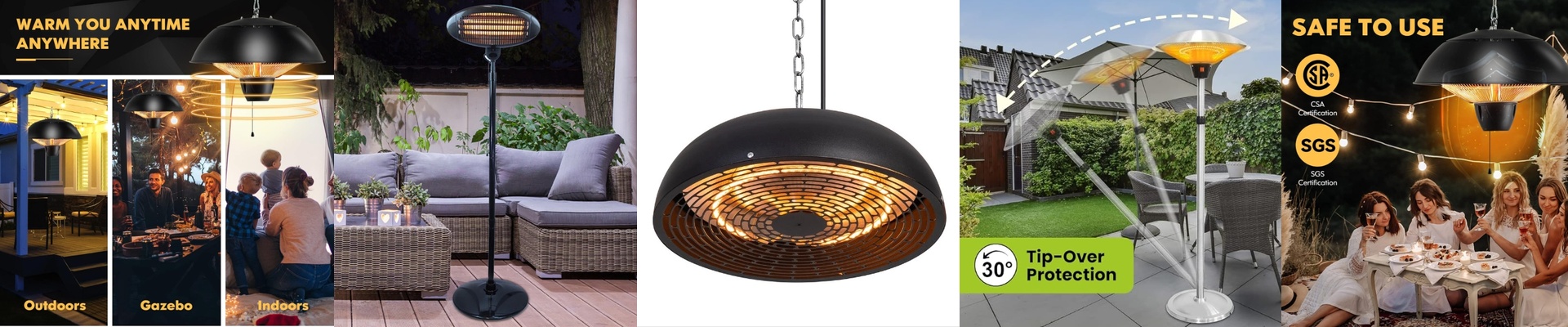
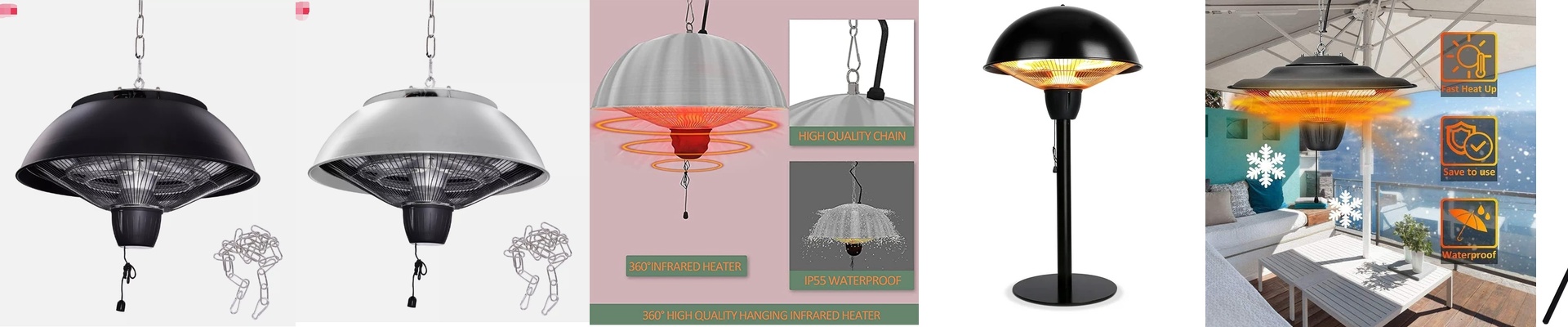
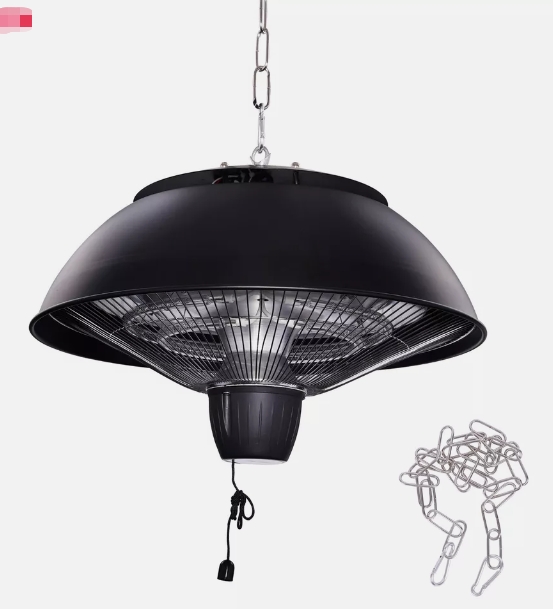
If you’re putting heaters on a patio, you’ve probably seen that “IP65” label. In plain English? It just means the thing is sealed up tight. Dust stays out, and if a bit of rain or a stray splash from a hose hits it, you aren’t going to blow a fuse or fry the electronics. It’s peace of mind for when the weather turns. The magic of instant heat Here is the cool part: these aren’t like those old space heaters that try to warm up the entire room’s air. They use quartz tubes that blast short-wave infrared radiation. The second you flip the switch, you feel it. No waiting. No “warming up” period. And when you hook this up to a smart relay—something using Zigbee or Matter—it gets even better. You don’t have to go hunting for a switch in the dark. One tap on your phone or a voice command, the relay clicks, and boom: you’re warm. Don’t fry your system Now, a word of caution. These heaters are power-hungry. They pull a lot of current, and if you just plug them into a cheap smart plug, you’re asking for trouble. You’ll want heavy-duty contactors or smart breakers that can handle that initial surge of power without tripping your main panel. I also suggest adding a few temperature sensors. That way, the system can just nudge the heat up or down as the night gets colder, rather than just blasting at 100% until you’re sweating. A couple of “gotchas” from the field Since the IP65 sealing keeps water out, it also keeps heat in. Give these units some breathing room. If you tuck them too tightly into a ceiling or a soffit, they can’t vent. They’ll eventually overheat and die early. Just leave a gap so the heat sinks can do their job. One last thing: just because the heater is waterproof doesn’t mean your smart controller is. Keep your relays in a proper NEMA-rated box. Moisture has a way of creeping into everything, and a damp controller is a dead controller.