
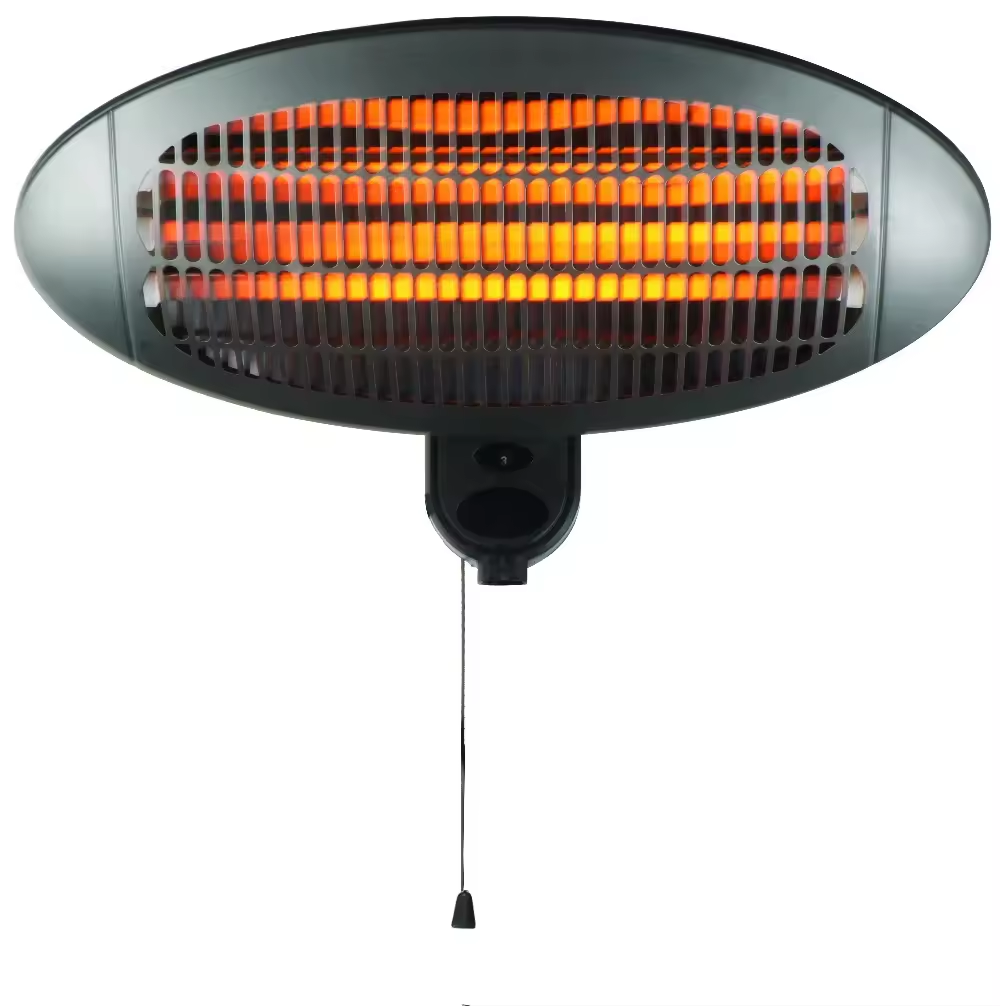
Stop Wasting Electricity on Your Bathroom Heater
If you want to stop throwing money away on your electric bill, you’ve got to get the wattage right for your bathroom size. Here is the thing about shortwave infrared lamps: they don’t actually heat up the air in the room. Instead, they beam heat directly onto you and the surfaces around you. If you go overboard with the wattage, you’re basically paying to heat up your ceiling. Not exactly a great use of cash.
Getting the Power Right
For those tiny bathrooms—you know, the ones under 4m²—a 250W to 400W lamp is usually plenty. It’s just enough to take the chill off those cold tiles and damp walls without turning the room into a sauna. Once you get into larger bathrooms (around 6m² to 10m²), you’ll want to jump up to 600W or 800W. But honestly? I’d suggest using a few lower-wattage lamps spread out instead. If you just slap one massive 1200W lamp in the middle of a big room, you end up with one scorching “hot spot” right underneath it while your toes are still freezing in the corners. Spreading three 400W lamps around the room feels way more natural.
The Nitty-Gritty Stuff
We use quartz glass and halogen gas to keep the filaments from burning out too quickly. The best part is that they hit their top temperature almost instantly. You flip the switch, and boom—immediate heat. The only downside is the glare, which can be a bit intense. If you’re installing these into a tight ceiling, double-check your connectors. R7s bases are the standard because they’re easy to swap out, but they have to fit snugly. If they’re loose, you might get arcing at high wattages. Plus, remember that higher wattage means more current. Make sure your wiring can actually handle the load. If the gauge is too thin, you’ll get voltage drops, and your lamps will die way sooner than they should.
Making it Feel Just Right
To get the most bang for your buck, mount the lamps where you actually spend your time standing. If they’re too high, the heat just drifts away before it reaches you. Too low, and you’re risking a nasty skin burn. For a standard home, aiming for a ceiling height between 2.2m and 2.5m is usually the sweet spot.