
Let’s Talk About Bathroom Heat Lamps (And Why They Shouldn’t Blind You)
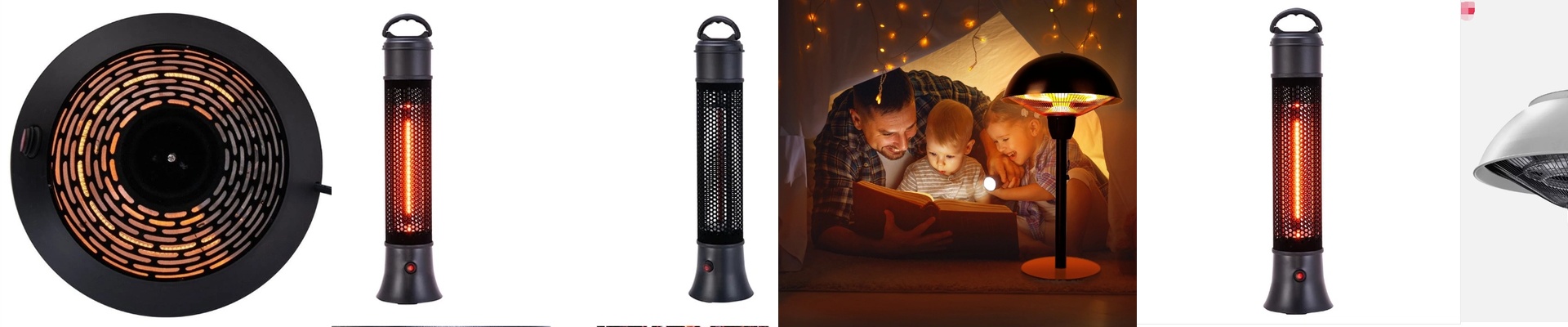
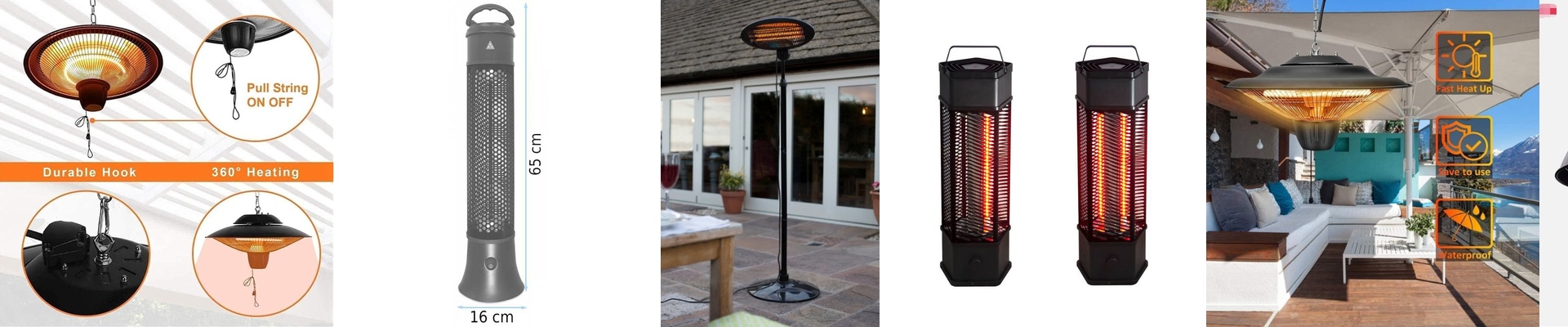
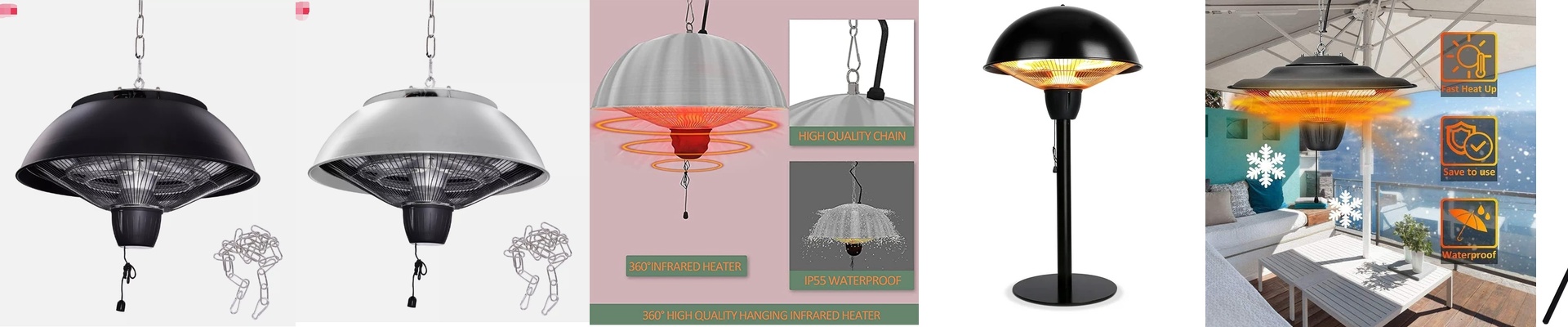
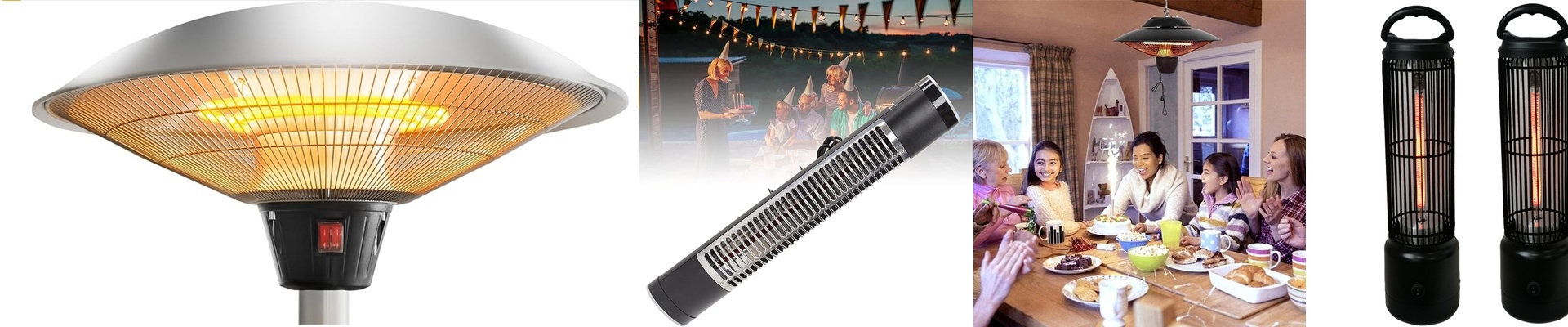
When we design infrared lamps for the bathroom, we’re basically trying to solve a puzzle: how do we get that instant, cozy warmth without making the room feel like a tanning bed? The biggest headache is the glare. Nobody wants to step out of the shower and be blinded by a harsh, blue-white light—and it’s even more important when you’re bathing a baby. Their eyes are way more sensitive than ours. Getting the heat right Most standard infrared bulbs throw out a huge mess of light and heat. To fix that, we use special quartz coatings or filters. Think of it like a screen that blocks the “blinding” part of the light but lets the warmth slide right through. We aim for a specific wavelength (around 3-5 microns). It’s a sweet spot. It sinks deep into your skin to get you warm fast, but it doesn’t stress out your retinas. What’s actually inside? Under the hood, it’s a tungsten filament tucked inside a high-purity quartz tube. We fill it with halogen gas, which is a fancy way of saying we stop the filament from burning out too quickly. It keeps the heat steady and makes the bulb last longer. To make sure the heat actually hits you and not your ceiling, we use gold-plated or polished aluminum reflectors. It keeps the energy moving in the right direction. The trade-offs Here’s the thing: you can’t have everything. When we filter out that bright light to protect your eyes, we lose a bit of efficiency. You get less “glow” and more “heat.” Because of that, if you want a lamp with heavy filtering, you might need a slightly higher wattage to get that same toasted feeling. One last tip:don’t ignore your ventilation. These high-wattage tubes get incredibly hot at the base. If your socket isn’t built to handle that heat, your wiring will start to fry over time. Make sure you’ve got a solid heat sink in place. It’s a small detail, but it’s the difference between a cozy bathroom and a melted fixture.