
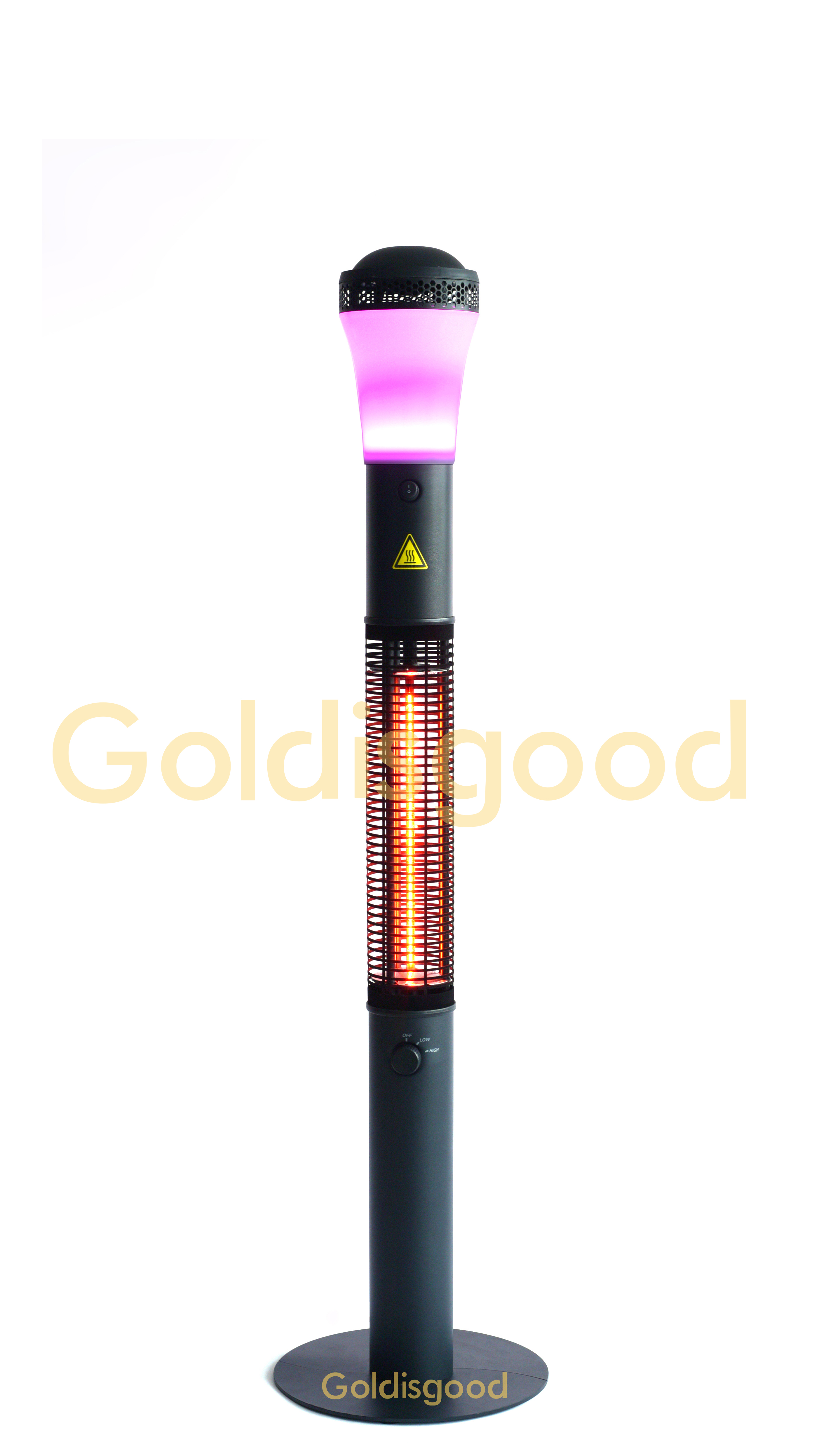
Keeping Your Bathroom Infrared Heaters Safe (And Your Toes Dry)
Putting an infrared lamp in a bathroom is a bit like playing with fire—literally and electrically. You’ve got high voltage on one side and a room full of steam and splashing water on the other. A simple waterproof cover isn’t enough. You need a setup that won’t freak out the moment things get humid. Dealing with the steam We lean heavily on an IP66 rating here. In plain English? It means the unit can handle dust and high-pressure water jets without breaking a sweat. But the real secret is in the details. We use silicone gaskets and tempered glass seals to keep the steam out. Steam is sneaky; it finds its way into standard housings. That’s why we use sealed cable entries and alloys that don’t rust, so moisture doesn’t creep into the terminals and cause a mess. The electrical side of things To keep everything safe, we make sure the heating filament and the outer frame never touch. We use high-temp ceramic insulators at the ends of the lamps to stop the current from jumping to the metal chassis. And please, do yourself a favor: wire these into a dedicated GFCI circuit. If a seal ever fails and water hits a live wire, the power cuts instantly. It’s that simple. It’s the difference between a minor glitch and a disaster. The trade-off with quartz We use quartz glass for the tubes because it can take the heat without warping. It’s great for performance, but it’s fragile. Even with an IP66 housing protecting the guts of the machine, the glass can still crack if something heavy hits it. Just mount the fixtures high enough that nobody’s going to accidentally whack them. A few tips for the install Don’t just grab any old wire. Use cabling that’s both waterproof and heat-resistant. Standard PVC will either melt or crack under the heat of an infrared lamp, and that’s a problem you don’t want. Also, give the heater some breathing room. If you cram it too tight against a wall or ceiling, the internal electronics can overheat while the lamp is running full blast. A little airflow goes a long way.