
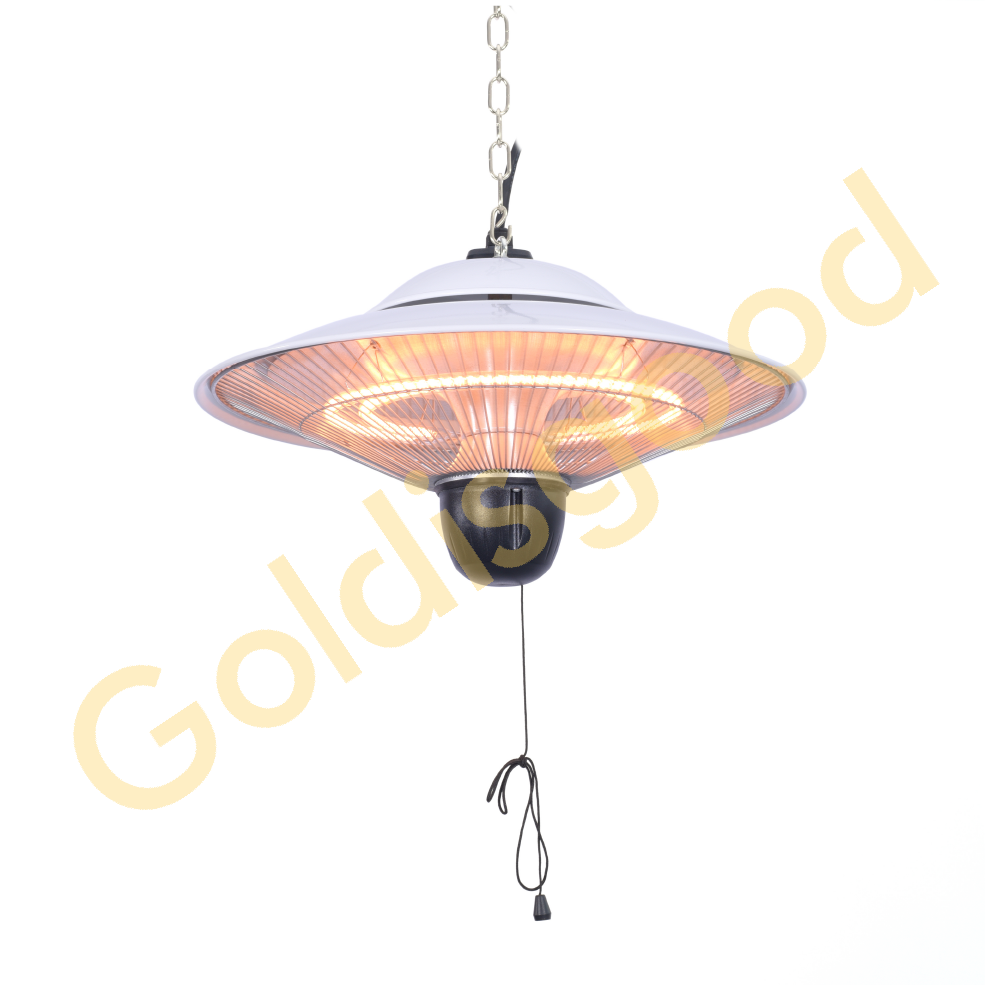
Why we put every bathroom infrared heater through the steam chamber
We make outdoor heaters rated IP66—built for bathrooms and other wet, wild places. And waterproofing? It’s not a sticker to us. It’s the whole point. Before a single unit leaves the line, we run it through a brutal humidity test that copies the daily grind of a steamy bathroom: constant steam, beads of condensation, and hot-cold cycles that don’t quit. Here’s the deal: if it can take that kind of punishment in the lab, you can trust it when it’s bolted into a real bathroom or an outdoor shower that’s open to the elements.
Power, voltage, and the simple stuff that matters
Our infrared heating lamps are built around one idea: predictable heat, easy wiring. You pick the wattage and voltage you need, and the heater delivers steady, line-of-sight warmth without making your control panel complicated. We keep the tube short and compact, so it slides into tight spots—think recessed fixtures or sealed housings—without fighting for space. But there’s a trade-off you should know. More power means faster warm-up and hotter surfaces. So plan your mounting spot and materials with that in mind. Give it airflow. Keep the right clearance.
The guts: halogen, quartz, and the R7s connection
We use halogen-filled quartz tubes because they handle rapid temperature swings without throwing in the towel. They stay consistent over thousands of cycles. Inside, the filament and gas chemistry are tuned so resistance stays stable. That’s why the heater snaps back to work quickly after being switched on and off. And the R7s connector? Not a random pick. It’s rigid, two-contact, and built for high current. It stays tight even when things vibrate. On the shop floor, it’s a practical win: quick to wire, easy to line up, and consistent every time you need a replacement.
Built for wet zones—and the peace of mind that comes with it
An IP66-rated enclosure stops high-pressure water jets and keeps dust out. That makes it a solid fit for bathrooms, covered patios, and other exposed spots. Add in the humidity aging we run, and you get fewer headaches in the field—no leaky seals, no corrosion from condensation, no terminals that degrade. For you, it means the heater behaves the way you want: fast radiant heat, straightforward wiring, and a design that can take a beating without drifting off the mark. Treat it as a drop-in replacement, sure—but remember the heat. High heat density needs proper airflow and safe clearances. Plan for it, and you’ll be set.