
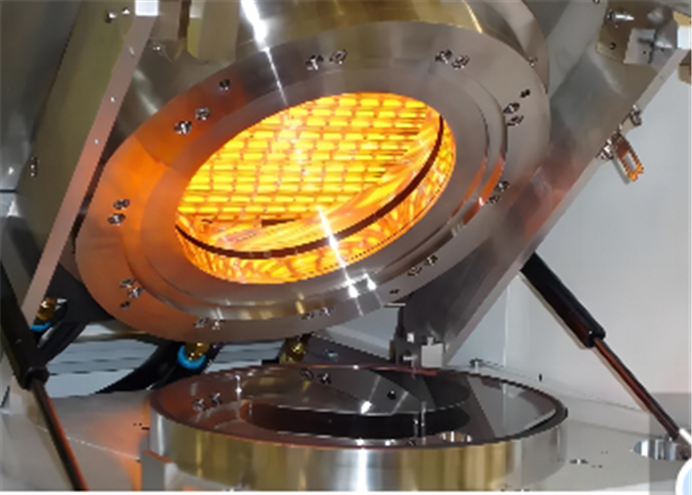
Why Fabs are Swapping Big Ovens for IR Curing
Most semiconductor fabs are ditching those massive convection ovens. It makes sense. Between the push for green energy and the strict rules around lead-free materials, the old way of doing things just doesn’t cut it anymore. The real secret is that IR curing ignores the air entirely. It goes straight for the substrate. Why waste a ton of power heating up the walls of a giant metal box when you can just heat the part you’re actually working on?
How it actually works
Think of it as direct energy. Instead of waiting for hot air to swirl around, IR uses electromagnetic radiation to get the molecules in your photoresist or adhesive moving. It happens almost instantly. Because these waves soak into the material, it cures from the inside out. You get a much faster ramp-up, which means you aren’t stressing your components with unnecessary heat for hours on end.
Dealing with lead-free standards
Here’s the tricky part: lead-free solders and polymers are stubborn. They need way more heat to cure than the old leaded stuff did. The problem with convection is that trying to hit those high peaks often means overheating everything else on the board. It’s like trying to warm up a single slice of pizza by heating your entire house to 100 degrees. Short-wave IR fixes this. It delivers a precise, high-intensity punch of heat. You hit the temperature you need for compliance, but you don’t “soak” the rest of the board in heat.
The trade-offs (and the savings)
Your electric bill will thank you. You don’t have a massive fan or a heating element screaming 24/7 just to keep a chamber warm. The lamps are only on when a part is actually under them. Simple. But, you have to be careful. If you crank the intensity too high, you run into “skinning.” That’s when the surface cures too fast and traps solvents underneath. If you aren’t paying attention to your conveyor speed and lamp zones, you’ll end up with bubbles. And if that happens? You’re scrapping the whole batch.
Fitting it into the fab
The best part is the space you get back. You can rip out a 10-meter oven and replace it with a compact IR tunnel. It’s a smaller footprint, fewer carbon emissions, and your parts move through the line a lot faster.