

Stop Worrying About Contamination in Your Fab Drying
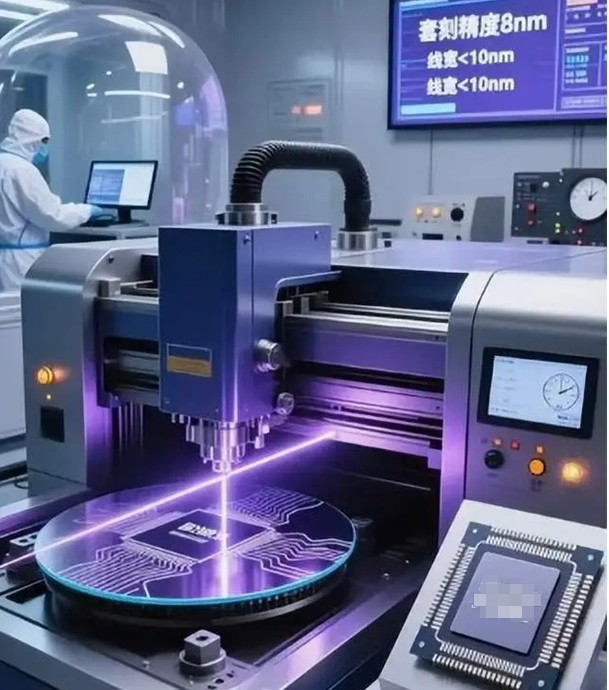
When you’re running a Class 100 cleanroom, there’s zero room for error. One tiny flake of dust or a bit of outgassing from a cheap heating element, and your silicon wafers are toast. It’s a nightmare scenario. That’s why we switched to high-purity synthetic quartz IR lamps.
Why Quartz Actually Works
We use fused silica that’s stripped of almost every impurity. Why? Because when things get hot—and I mean really hot—standard materials start to break down. They leak metallic ions or VOCs right into your process. Quartz doesn’t do that. Plus, it handles the stress of rapid power cycling without cracking. You can crank the heat up and down without worrying that your tubes are going to snap.
Speed and the “Heat Problem”
These lamps are built for high watt density. Basically, we’re packing a lot of energy into the short-wave spectrum, which means the heat hits the substrate way faster than old-school convection. It’s fast. Really fast. And that cuts your drying cycles down significantly. But here’s the thing: all that power creates a lot of heat for your housing. If you’re running these at peak wattage, you’ve got to make sure your chassis cooling is up to the task. If your frame isn’t vented properly, you’ll end up warping your mounting brackets. Just a heads-up.
Fitting Them Into Your Setup
We kept the footprint tight. No bulky parts, no nonsense. We also ditched the messy adhesives and fluxes at the endpoints. Those things are just contamination waiting to happen. Instead, we use precision-machined connections that stay secure and keep the air clean. If you already have drying modules in place, these are pretty much a drop-in replacement. We spent a lot of time perfecting the seal between the quartz tube and the lead wires. That way, even if a tube takes a beating, you won’t have halogen gas leaking into your cleanroom. It’s a simple way to keep your yield high and your downtime almost nonexistent.