
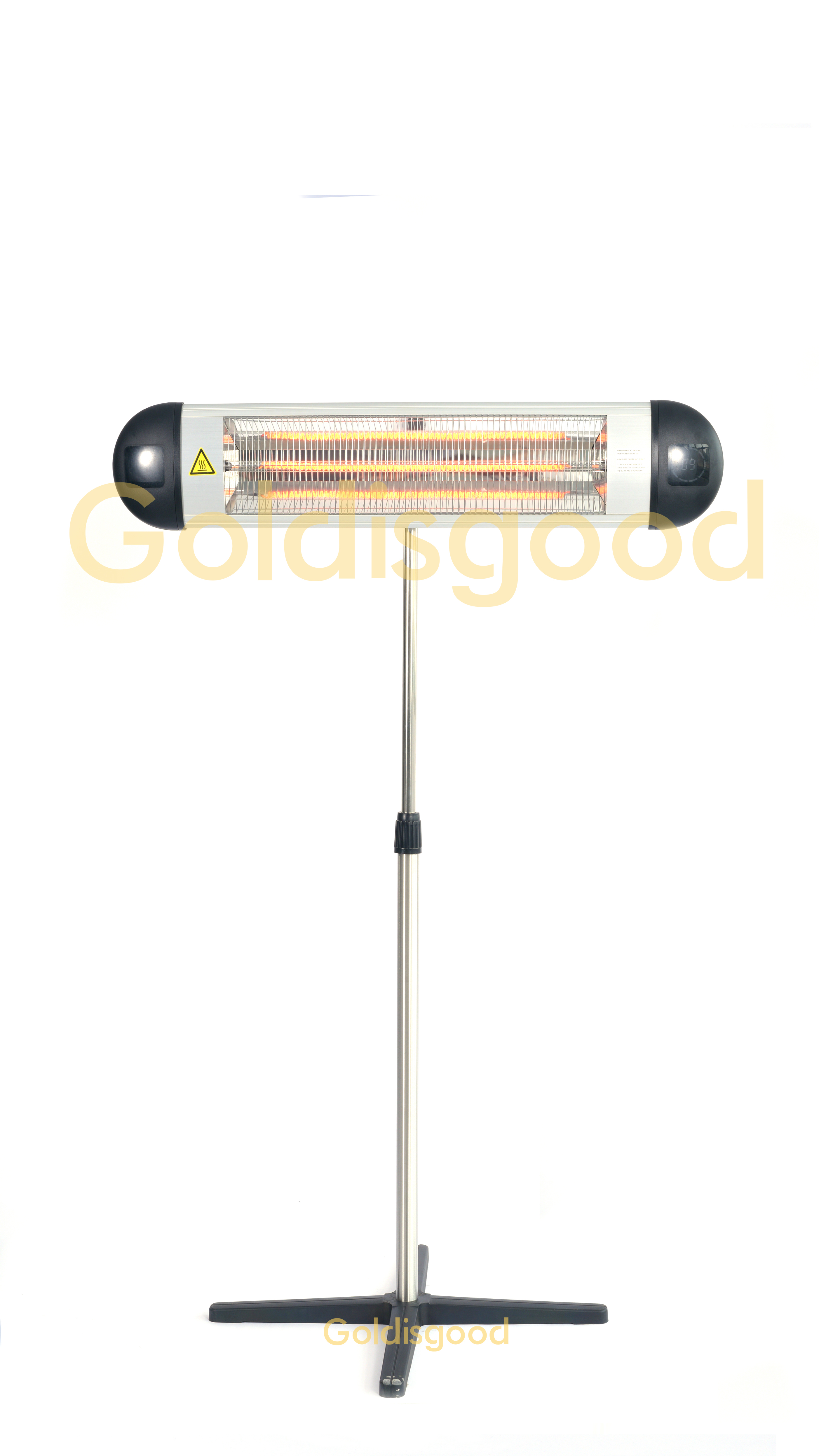
Why “Explosion-Proof” Quartz Actually Matters for Your Bathroom or Patio
Putting an infrared heater in a bathroom or out on a patio sounds simple, but you’re basically mixing extreme heat with a lot of moisture. It’s a tricky combo. If you use a standard quartz tube, you’re asking for trouble. Think about it: you’ve got a glowing hot tube, and suddenly a splash of cold water hits it. That’s called thermal shock. In plain English? The glass shatters. That’s why we stick with explosion-proof quartz.
The Deal with IP55 and Safety Specs
You’ll see “IP55” on the spec sheet. All that really means is the housing is built to keep out dust and those annoying little sprays of water. It keeps the guts of the machine dry. But the housing is only half the story. The real worry is the lamp itself. Our explosion-proof quartz is treated to handle those wild temperature swings without freaking out. We also add a safety mesh or a reinforced glass shell. So, if a filament fails or a crack happens, the shards don’t go flying across the room. Everything stays contained. You’re safe.
How the Heat Actually Works
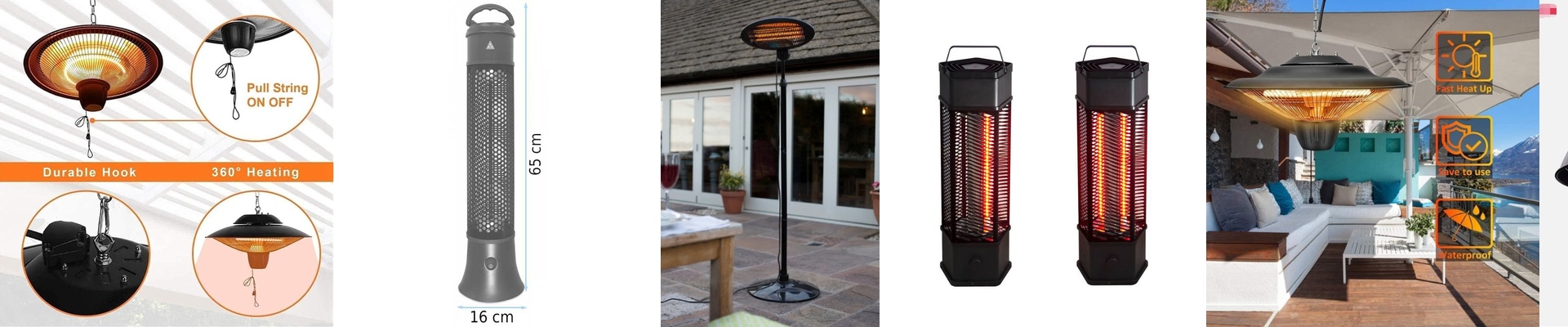
These heaters use shortwave infrared. Instead of trying to warm up all the air in the room—which is a losing battle on a breezy patio—the heat hits you directly. It’s like stepping into a beam of sunlight. It’s fast. Really fast. Because the heat is so intense, you have to be careful where you mount it. If you screw these into cheap plastic or untreated wood, you’re going to see scorch marks. Make sure your mounting surface can actually take the heat.
The Trade-offs
Just a heads-up: you can’t just plug these into a regular wall outlet and call it a day. You’ll need moisture-rated conduits for the wiring to keep things legal and safe. And yeah, there’s a price jump. Explosion-proof quartz costs more to make than the cheap stuff. The units are also a bit bulkier because of the protective guards. But honestly? When you’re standing in a steamy shower, that extra cost is a bargain compared to the alternative. It’s the only way to make sure your heater doesn’t just give up—or blow up—while you’re using it.