

Stop Cooking Your Equipment: A Better Way to Heat Wafers
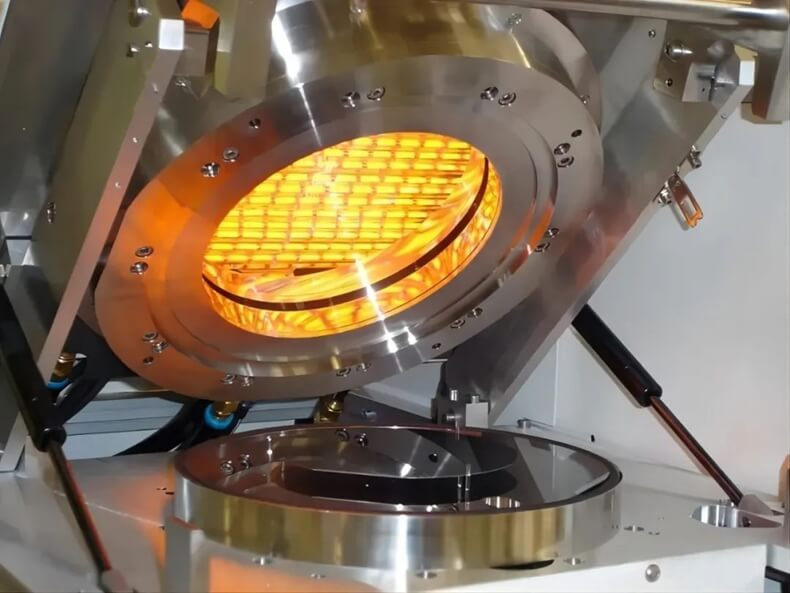
Here’s the struggle with semiconductor processing: you need to get that wafer hot, but you don’t want to melt the inside of your machine while doing it. Most standard heaters just blast energy everywhere. It’s messy. That waste heat builds up on the chassis, which means your operators might get burned, and your machine frame starts warping from the heat. Not a great way to run a lab. Focusing the Heat We handle this by using short-wave infrared (IR) lamps. Instead of relying on air to move the heat around, IR lamps use radiation. The trick is adding gold-coated reflectors or focal lenses. This lets us aim the heat flux right at the wafer surface. It’s like using a spotlight instead of a floodlight. Most of the energy goes where it’s supposed to, and the inner walls stay much cooler. Finding the Sweet Spot Distance is everything here. If you put the lamp too close, the heat is intense, but you’ll end up with “hot spots” instead of a uniform temperature. But if you push it too far back? You lose all that efficiency. The energy starts scattering, and suddenly you’re heating the whole room instead of the wafer. You’ve got to nail the focal length based on your wafer size. It’s about balance. Keeping Things Safe The goal is a machine that’s cool to the touch on the outside. By isolating the IR source and using those directional optics, we keep the inner walls well below the “danger zone” for burns. But keep in mind—high-wattage lamps get incredibly hot at the source. Your cooling fans or water-jackets need to be beefy enough to handle the total wattage. If your cooling is undersized, that heat will eventually soak through the insulation, no matter how well you’ve aimed the lamps. And a quick tip: use high-temp cabling. Nobody wants to deal with melted insulation near the lamp sockets.