


Getting the Heat Right for Hydrogen Sensors
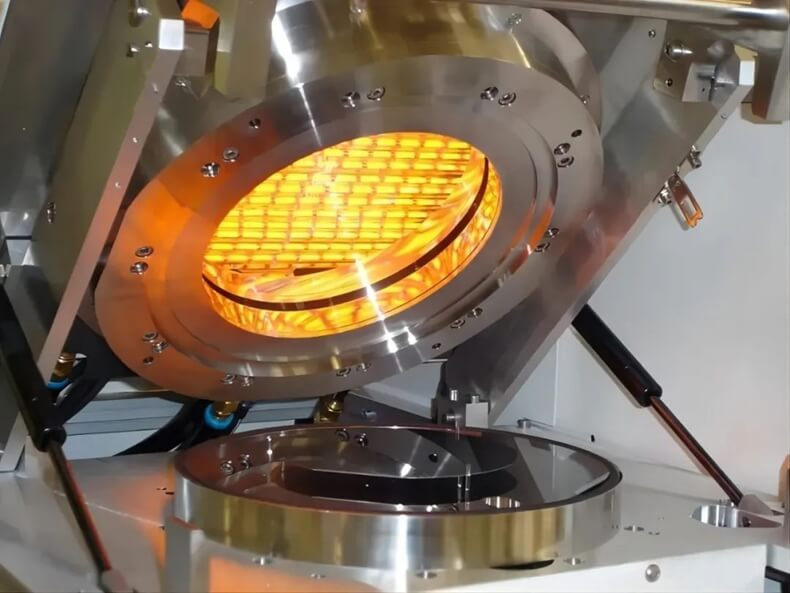
Making hydrogen sensors is a bit of a balancing act. You need the temperature to be exactly right—not too hot, not too cold—otherwise, your membrane fails or the catalyst just won’t stick. That’s why we use short-wave IR systems. Instead of heating up all the air around the part, IR shoots energy directly into the material. It’s a cleaner way to work, which is a huge relief when you’re trying to keep a cleanroom actually clean.
Why IR Beats the Old Way
Forget those clunky resistive heating elements. With IR, you can ramp the heat up or down almost instantly. We’re talking seconds. This speed is a lifesaver. Because the substrate isn’t soaking in heat for ages, you don’t have to worry about the delicate layers warping or degassing. It just works. When you plug these emitters into a digital line, they handle the heavy lifting for curing and sintering without the usual drama.
Killing the Guesswork
We talk a lot about “smart” factories, but really, it just comes down to having the right data. We pair these IR heaters with closed-loop PID controllers. Once you hook them into your PLC, you can see exactly how much power is being pulled and tweak the wattage on the fly. No more “hoping” the temperature is right. You get a digital record of every single heat cycle, which is the only way to make sure sensor number one and sensor number ten thousand are identical.
The Catch (and How to Fix It)
Here’s the thing: high-density IR arrays gethot. Really hot. The sensors get the energy they need, but your chassis and brackets will take a beating if you aren’t careful. If you skimp on the cooling, you’re asking for trouble. I always suggest using active forced-air cooling for the reflector housings. If the cooling fails, your IR output shifts, your calibration drifts, and suddenly you’re chasing your tail. Just make sure your airflow matches your power density so you don’t burn everything out.