

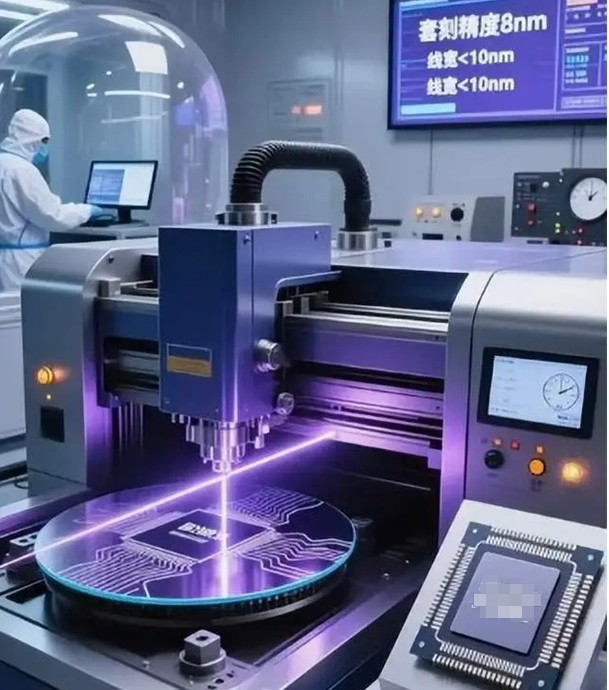
On the fab floor, thermal drift during wafer drying or photoresist bake isn’t just a throughput hit. It moves critical dimensions and eats into yield. Inside a glovebox—tight atmosphere, tight thermal budget—conventional heaters fight to keep uniformity without adding particles. We built our infrared heater elements for exactly that reality. What matters under the hood We run short-wave infrared emitters with quartz envelopes, so the heat is fast, directional, and the emissivity stays stable. You get wafer-level temperature uniformity within ±0.1°C across the process window, and the response is quick enough to keep pace with high-throughput recipes. Output is repeatable, so soft bake and hard bake profiles stay on track, batch after batch. These elements live in Class 1–100 cleanrooms, with low outgassing and a design that doesn’t shed particles during normal operation. Why it sticks in practice For wafer drying, the infrared energy knocks out solvents quickly and evenly, which cuts down surface defects. In lithography, photoresist bake repeatability translates to tighter CD control and fewer reworks. In packaging, curing cycles finish with predictable thermal profiles, so adhesion and reliability hold up. Energy use drops because the heaters deliver heat on demand—low thermal mass, minimal wasted ambient heating. Reliability shows up in long duty cycles; we’ve got units running 24/7 with stable output and predictable maintenance intervals. The field notes Installation comes down to the glovebox interface, power density, and thermal clearances. Match the emitter to the reflector geometry and keep the controller’s feedback loop dialed in—otherwise you’ll see hot spots and overshoot. Spec voltage, dimensions, and connector type to match your equipment footprint. Get the alignment and calibration right, and the system performs. Miss that, and you lose thermal uniformity and repeatability.