
Introduction
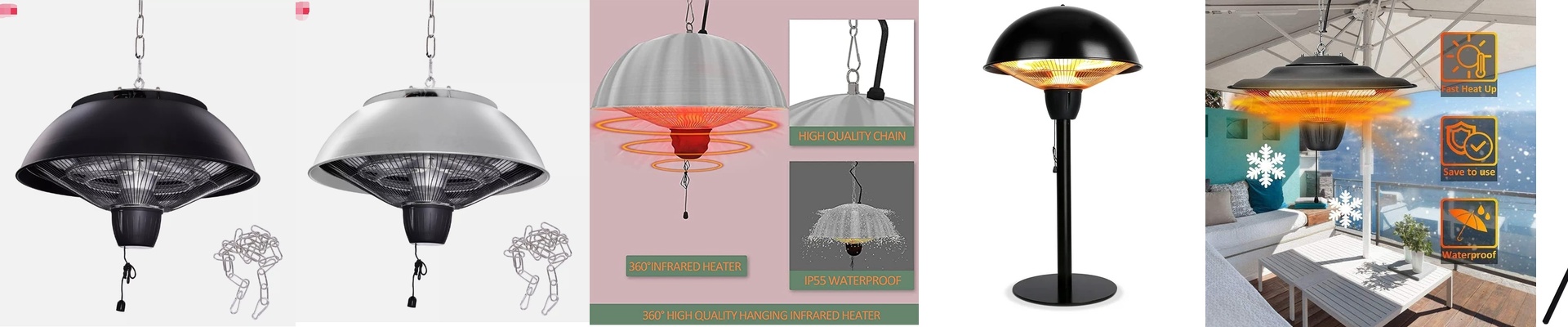
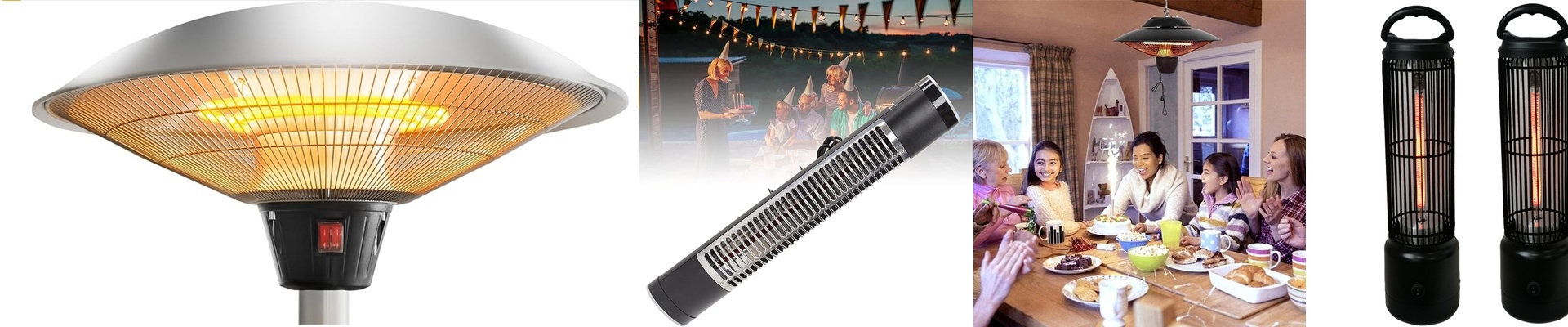
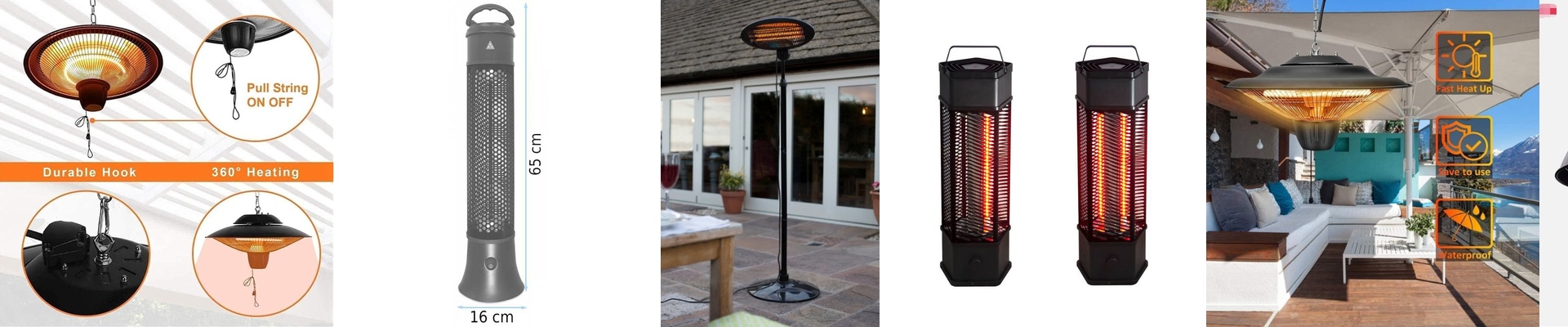
We built this IP65 outdoor garden heater to be a tough workhorse. It’s a direct-radiant infrared unit, and it’s got a serious job to do. It’s more than just a way to keep you warm. It’s engineered to blast out high-intensity, shortwave heat that zeroes in on moisture and stops microbial growth. Think bathrooms, sheltered outdoor spaces—anywhere damp where that musty stuff just loves to take hold.
The Heart of the Machine
Let’s get into what makes it tick. At the core is a compact quartz tube. It packs a huge amount of heat into a small space, which is why we spec it at 2500W. It runs on a 400V supply, and here’s why that matters: higher voltage means lower current. That keeps the wiring simpler. You get less voltage drop over long runs, and the whole system stays stable without overloading. The tube itself is shaped just right to focus the heat where you need it, not just spraying it into empty corners. Efficient, focused, and purposeful.
Built to Last
Inside, we use a halogen-cycle design. It’s a clever bit of chemistry that keeps the filament in great shape by putting the evaporated tungsten right back where it belongs. The result? Consistent heat output, month after month. The quartz envelope handles rapid on-off cycles and high temps without cracking. So you can switch it on and off without worry. And the housing? IP65 rated. Sealed tight. It keeps water and dust out, which is exactly what you need for outdoor or humid spots. The connector is an R7s base—a simple, two-pin ceramic design. It gives you a solid fit and a reliable electrical connection. It holds up against vibration and the natural expansion and contraction from heat. Wire it once, and it stays put.
What It Does for You
In bathrooms or sheltered outdoor areas, the infrared radiation hits surfaces directly. Warm surfaces don’t get that cold, clammy feel. That means less condensation, and that makes it much harder for mold to get a foothold. It’s not a replacement for good ventilation. Think of it as a targeted tool that helps you fight humidity right where the problem starts.
A Note on Power
The trade-off is the heat density. A 2500W infrared unit puts out serious warmth, so you need to plan for it. Make sure the surrounding materials and the mounting spot can handle the temperature. Give yourself proper clearance and plan for cooling. For engineers and installers, the combination of the IP65 rating, the halogen-quartz build, and the R7s interface makes this a dependable, drop-in solution for harsh, wet environments where keeping things dry and running smoothly is the whole point.