Extreme UV Resist Heating: The Straight-Up Engineering Truth
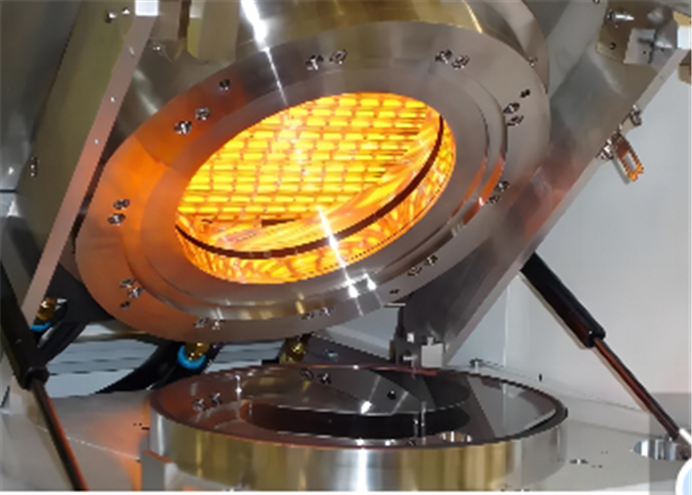
Here’s the deal. We build our Extreme UV (EUV) resist heaters to go toe-to-toe with the big U.S. and Japanese brands you already know. The difference? We deliver that same level of performance, but we do it without making your wallet scream. We never cut corners on the physics, though. For lithography and resist processing, you need heat that’s rock-solid and repeatable, every single time. And that’s exactly what we give you. We dial in the power density, voltage, and geometry so the lamp just keeps running, hour after hour, without drifting.
The Nitty-Gritty: Power, Voltage, and Geometry
When you’re talking EUV resist heating, tight thermal control isn’t just nice to have—it’s everything. So we built our heaters around high-wattage, shortwave halogen elements, perfectly matched to the voltage. The 400V rating means it stays stable, even when the line voltage wobbles. The 2500W output gives you the raw heat density you need to ramp up fast and then hold steady. And that 300mm active length? It’s not a random choice. It’s a direct match for standard resist heating zones. That means you get a drop-in part that just fits, without forcing you to redesign the whole machine.
What’s Inside: Halogen, Quartz, and a Rock-Solid Connection
Inside, we use shortwave halogen tech wrapped in a high-purity quartz envelope. This combo is the secret to keeping the output consistent over time. It resists darkening, even when you’re cycling through extreme temperatures. That internal halogen cycle also keeps the filament behavior stable, which translates to repeatable results, process after process. For the termination, we go with R7s connectors. They handle the current, lock in tight, and make wiring it up in the field quick and reliable.
Why It Matters: Precision Heat, Without the Premium Price
These heaters are built for one thing: EUV resist heating. In that world, temperature uniformity and uptime are what drive your yield. So what you get is performance you can count on—the same quality and consistency as those top-tier imported brands. We keep costs in check by being smart about materials and how we build them, not by cheaping out on the specs that actually matter. Just one thing to keep in mind. That high wattage density means your system’s cooling and power distribution need to be up to the task. But if you spec out your thermal load and voltage drop up front, you get reliable heat with zero surprises.