

Making Your Factory Heaters Actually Smart
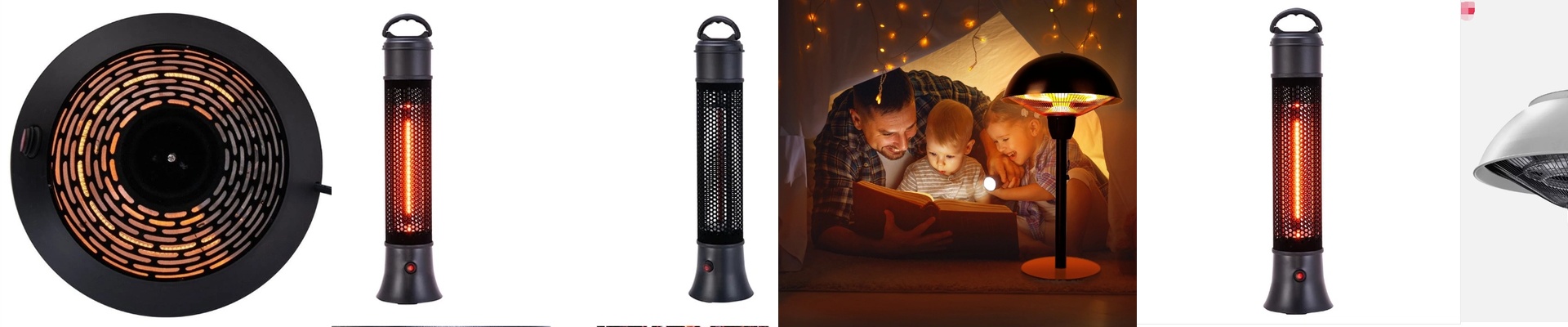
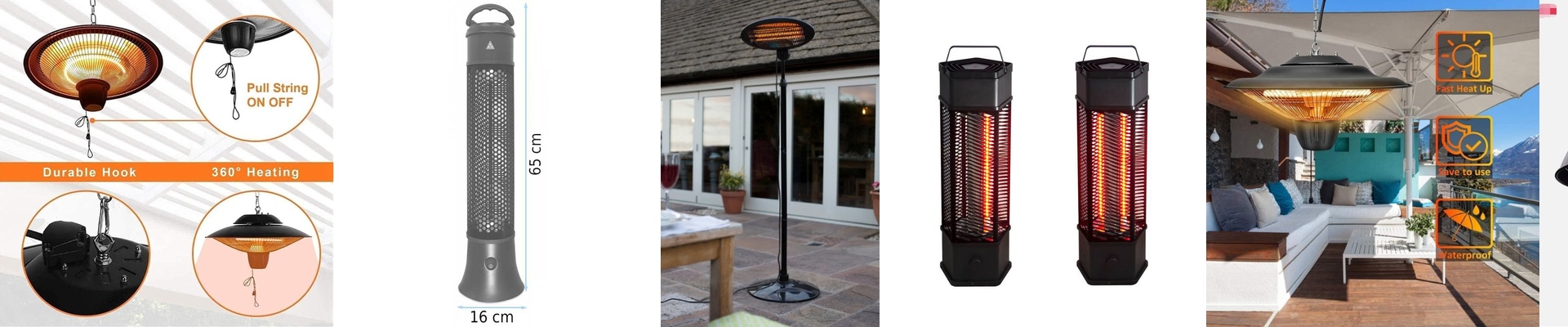
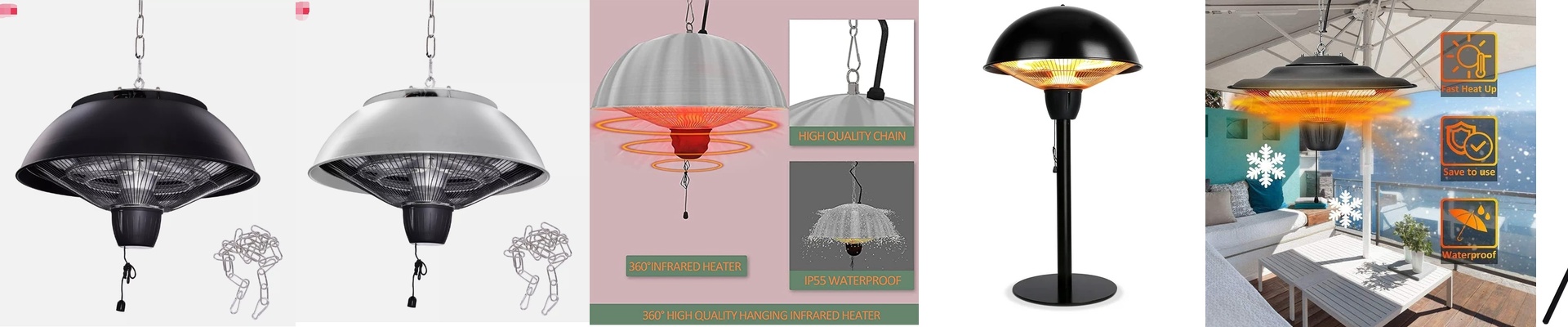
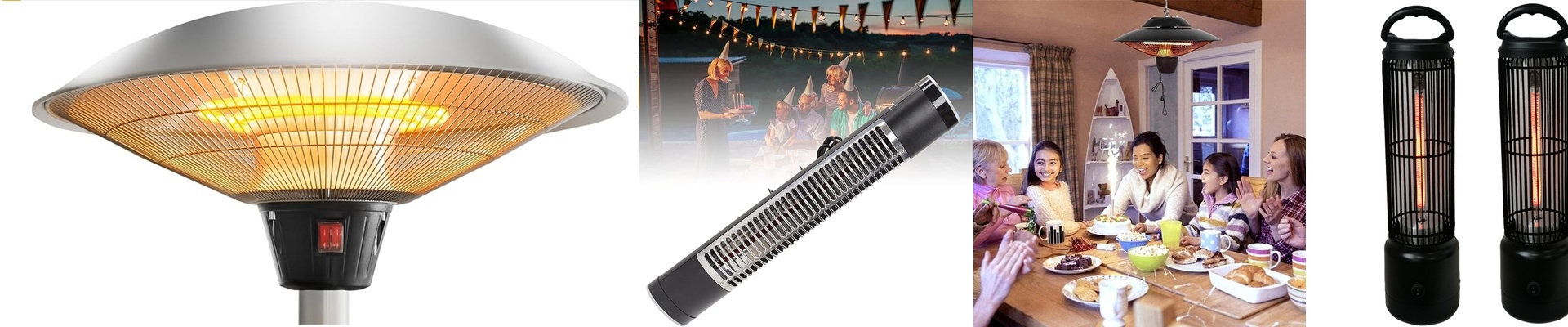
Most factory ceiling heaters use short-wave infrared. Instead of trying to warm up all that empty air in a massive warehouse—which is basically a losing battle—they beam heat straight down onto the people and equipment. But flipping a manual switch every morning is a pain. That’s why we hook these units up to an IoT gateway. It turns a “dumb” heater into something that actually thinks for itself.
How the magic happens
Imagine walking into a freezing warehouse in January. You want it to feel like spring now, not in three hours. To make that happen, we use a relay trigger. Think of it as a middleman. Your smart controller sends a tiny, low-voltage signal to a heavy-duty contactor, which then slams the circuit shut to let the high-wattage power flow into the heaters. Since you’re not waiting for the air to heat up, you feel the warmth on your skin almost the second it kicks in. It’s an immediate relief.
The gear and the lag
We usually go with Zigbee or Wi-Fi modules to connect everything to a central hub. This means you can just tap a button on your phone or set a schedule and forget about it. Is there a delay? Barely. You’ll hear the relay click almost the instant you hit the app. Plus, you can add external sensors to the mix. If the temperature outside dips below 5°C, the heaters just wake up and start working. You don’t even have to think about it.
A couple of warnings
Here is the thing: you can’t just plug a high-power heater directly into a smart switch. If you do, you’ll fry the board in seconds. Youhaveto use a contactor that can handle the actual amperage of the heater. Don’t skip this part. And one more tip. While it’s tempting to have the heaters flick on and off every few minutes to save a few pennies, those heating elements have a lifespan. Constant cycling wears them out faster. I always suggest setting a minimum run-time. Let them stay on for a bit. It keeps the tubes healthy and ensures your gear doesn’t burn out way sooner than it should.