
Introduction
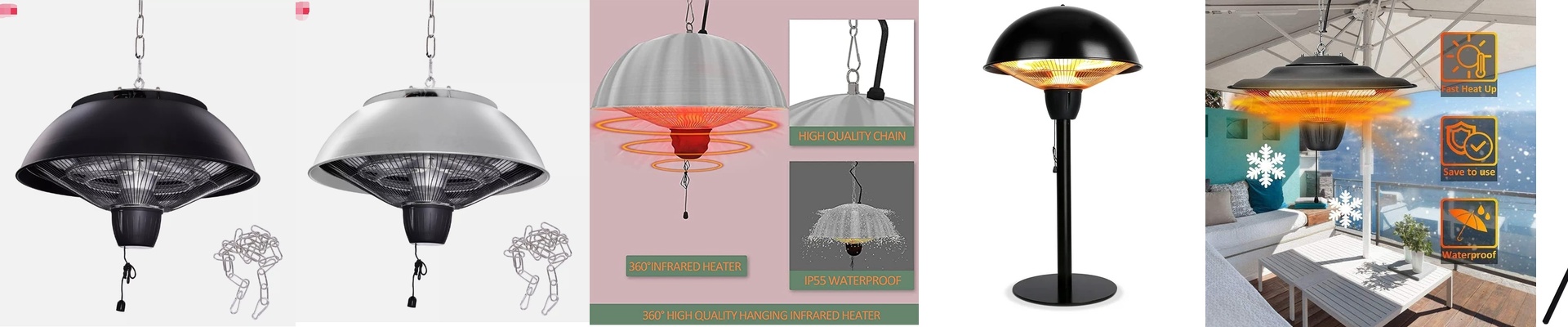
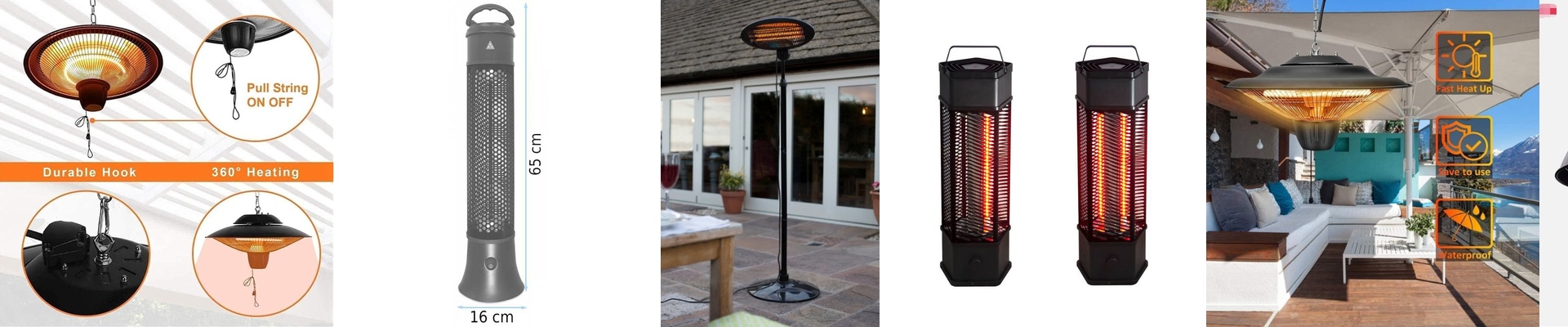
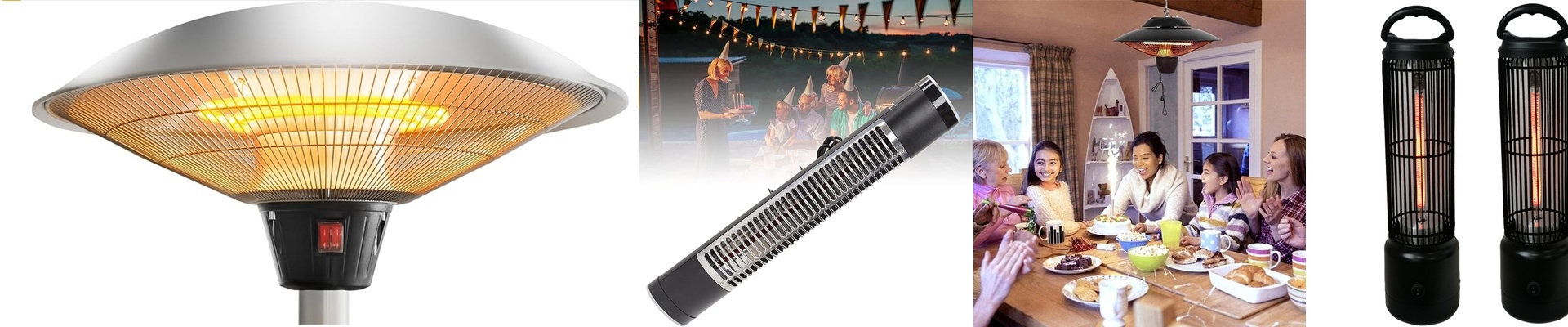
Let’s talk about industrial infrared heating lamps—the kind built for factories with towering ceilings. These aren’t your average space heaters you’d find in an office. They’re built to do one thing really well: blast concentrated, targeted heat right where you need it, cutting straight through the cold in massive spaces. The whole point? Match the wattage and beam spread to the exact spot you want to warm. When you get that balance right, you’re not just comfortable—you’re efficient. And honestly? It feels pretty good to have that kind of control.
Power and Size: What Really Matters
At the heart of these heaters is their power density. We’re talking units that range from 500W to 2500W, depending on what you’re trying to heat. The tube length—anywhere from 300mm to 1500mm—directly shapes the heating footprint. A longer tube spreads the warmth over a bigger area. A shorter tube with higher wattage? That’s your precision tool, focusing intense heat on a smaller zone. It’s a clean relationship that lets you dial in the heat load per square meter exactly where you want it.
Built to Last: The Halogen Core
These heaters rely on a halogen element inside a quartz tube. Why? Because it heats up fast and keeps the output steady. No waiting around. No dips in performance. The tube coating is tough stuff—designed to handle sudden temperature shifts and even chemical exposure. It won’t crack or wear down, even in a gritty factory environment. And the R7s connector? That’s the standard for a reason. It gives you a secure, high-temp electrical connection that’s simple to wire and easy to swap out. When it’s time for maintenance, you’re literally just popping in a replacement. No fuss.
The Key: Getting the Sizing Right
Here’s where a lot of people miss the mark. In a high-ceiling factory, you’re not trying to warm the air—you’re warming people and equipment below. Go too small on wattage for the space, and you’re left with cold spots. Go too big, and you’re wasting energy like crazy. But when you match the wattage and tube length to the exact zone you’re targeting, you cut out all the waste. Just keep one thing in mind: this kind of concentrated heat creates ambient warmth. Make sure your ventilation and cooling systems can handle the extra load. Plan ahead, and you won’t be sweating the details later.
The Bottom Line
Getting the right infrared heater isn’t a guessing game. It’s about understanding how wattage, tube length, and the area you’re heating all work together. When you nail that formula, you get on-demand warmth, real savings on electricity, and a system that can take whatever your workday throws at it.