
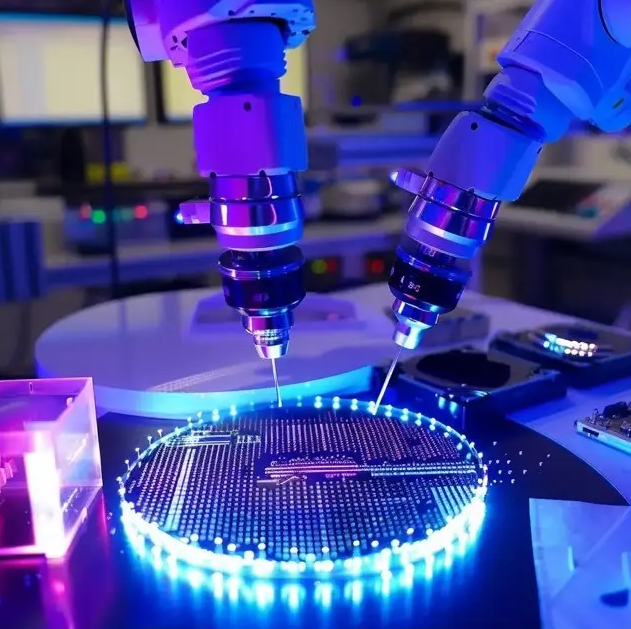
Why We’re Swapping Convection Ovens for IR in Lead-Free Processing
For a long time, we just threw everything into convection ovens and hoped for the best. But things are changing. With the push for lead-free, eco-friendly standards, the industry is moving toward infrared (IR) technology. You see this most often when dealing with underfills and specialty adhesives—the kind of stuff where if your temperature is off by a hair, the whole batch is scrap.
The real difference: IR vs. Hot Air
Think about a traditional oven. You’re heating the air, the walls, the racks… everything. It’s a huge waste of energy because the wafer has to wait for the air to get hot before it actually starts curing. IR is different. It’s more like a heat lamp at a buffet. The energy goes straight into the substrate. It’s fast. Really fast. We call it “selective heating” because you can target the adhesive or the photoresist without baking the rest of the assembly. Your energy bill goes down, and your throughput goes up.
Dealing with Lead-Free Hurdles
Lead-free solders are picky. They usually need higher temperatures and a very tight window to cure, or you’ll end up with voids (those annoying little air bubbles) that ruin the connection. With IR lamps, you can hit those peak temperatures in seconds. The cool part? You can tweak the wavelength—shortwave or medium-wave—to match the chemistry you’re using. This stops the “skin effect,” where the top layer looks perfect but the bottom is still wet. But here’s the catch: high-intensity IR generates a ton of heat. If your cooling fans aren’t up to the task, your chassis will overheat and your temperature sensors will start drifting. It’s a balancing act.
The Trade-offs
Now, IR isn’t a magic wand. You have to deal with “shadowing.” If your components are packed tight, the IR rays can’t reach the recessed spots. It’s like trying to tan the bottom of your chin—some areas just stay in the shade. To fix this, we use reflecting chambers or arrays of lamps hitting the wafer from different angles. It takes up more room on the factory floor, but it’s the only way to make sure a 300mm wafer cures evenly from edge to edge.