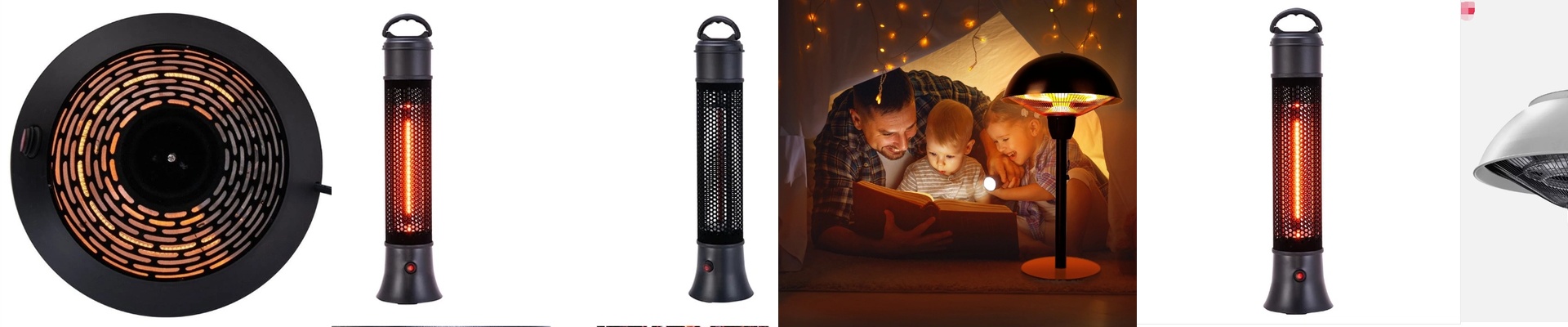
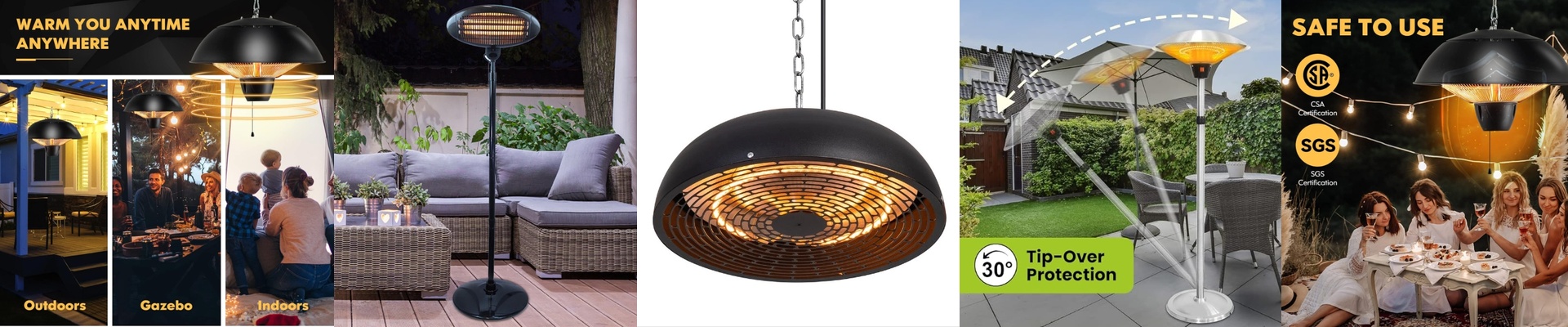
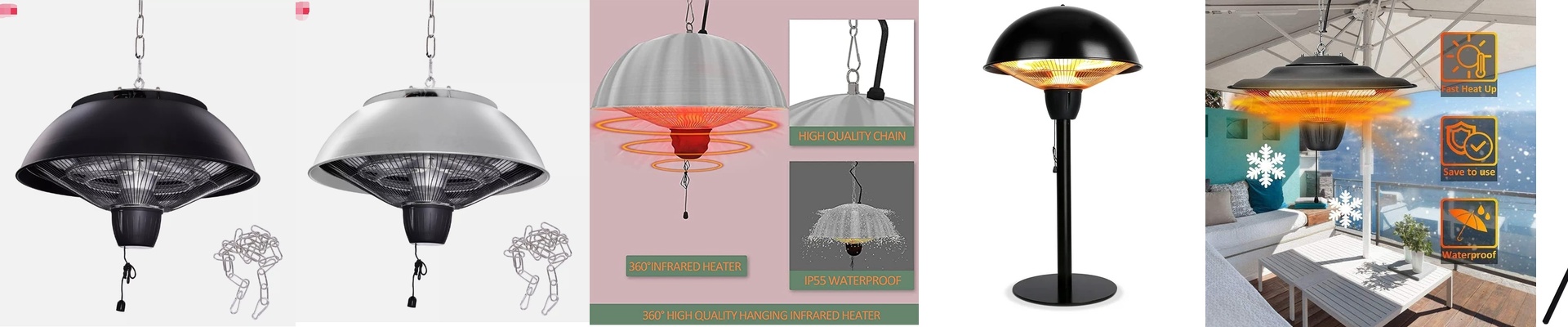
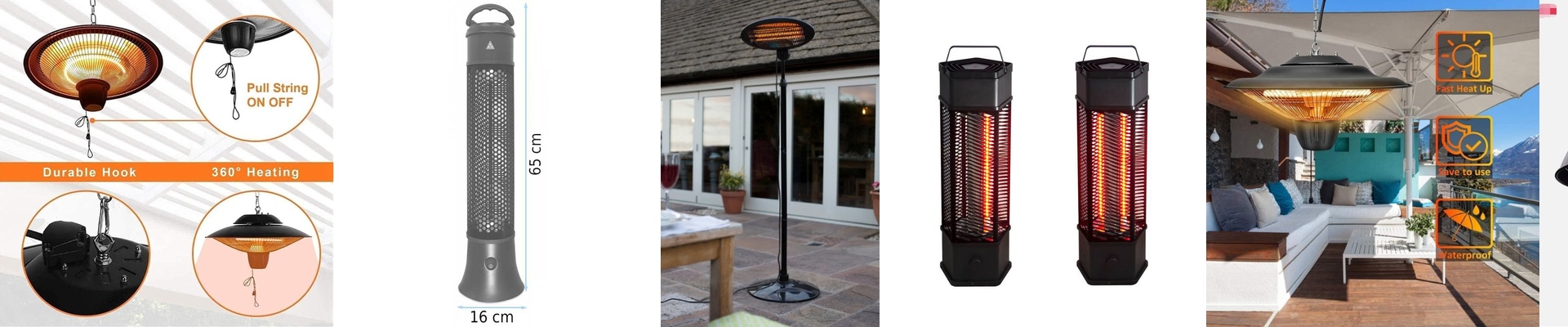
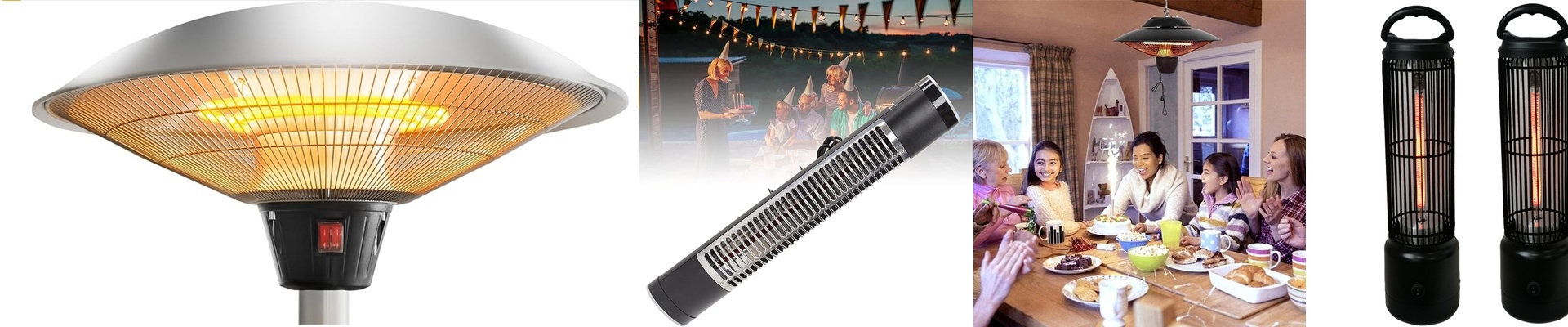
Outdoor evenings are only as comfortable as the heat you can trust. With infrared patio heaters, the warmth hits fast, but that comfort is only real when the wiring holds up. These units live outside—rain, wind, and wide temperature swings—and the usual weak point is right where the power line enters the heater. If the seal can’t handle heat and moisture, resistance climbs, connections loosen, and the risk of a short circuit goes up.
What matters under the hood
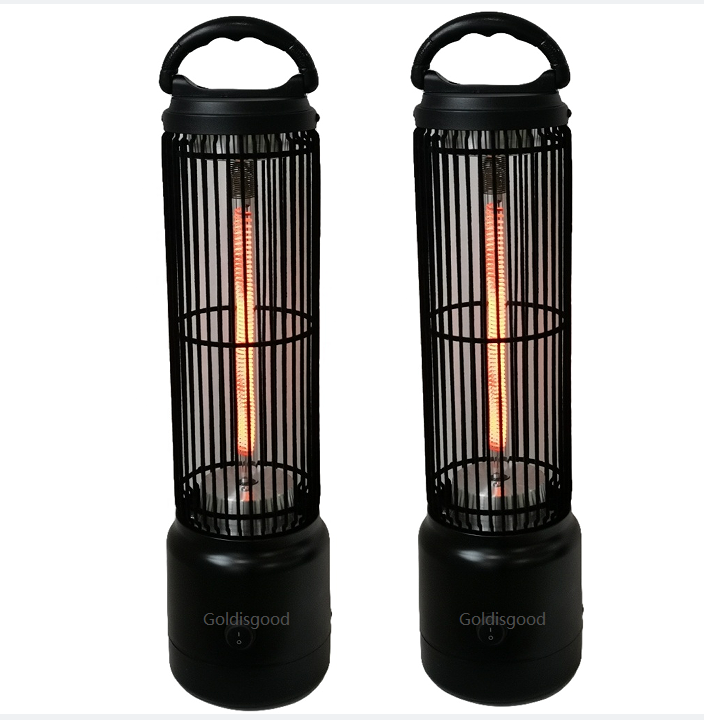
Infrared warmth comes from a radiant element—either a quartz tube or a carbon fiber element—built to deliver focused heat without wasting time heating the air. The real work, though, is in the lead seal. That’s a compression-molded joint designed for high temperature, and it has to keep the internal wiring isolated from everything outside. We use glass-filled thermoset materials, not basic plastic, because the seal has to stay stable when the housing hits operating temperature. Inside, you want stranded copper conductors with heat-rated insulation, and the cord entry needs a proper strain-relief design so a tug on the cord doesn’t stress the terminals. Throw in an internal thermostat and tip-over protection, and the heater can shut down early if conditions drift outside safe limits.
Why this build earns its keep
This matters when the heater is running cycle after cycle outdoors. A solid seal keeps moisture out, so you don’t get the kind of corrosion that quietly raises resistance and creates hot spots. The payoff is fewer surprise shutdowns, longer life, and infrared warmth that feels steady instead of spiking and fading. For you, that translates into fewer replacements, less troubleshooting, and more confidence when you’re hosting family and friends on the patio.
Practical stuff that keeps it running
Even the toughest lead seal needs the right handling. Use the cord as intended—don’t coil it tight while the heater is hot—and keep the unit from sitting in direct, prolonged rain. Plug the heater into a grounded outlet, and don’t daisy-chain extensions. In very damp, exposed spots, an IP-rated enclosure or a weatherproof cover adds real margin. That one small step protects the lead seal and keeps the electrical safety where it needs to be.