

Making Sure Your Clean Room Trolley Heaters Don’t Blow Up
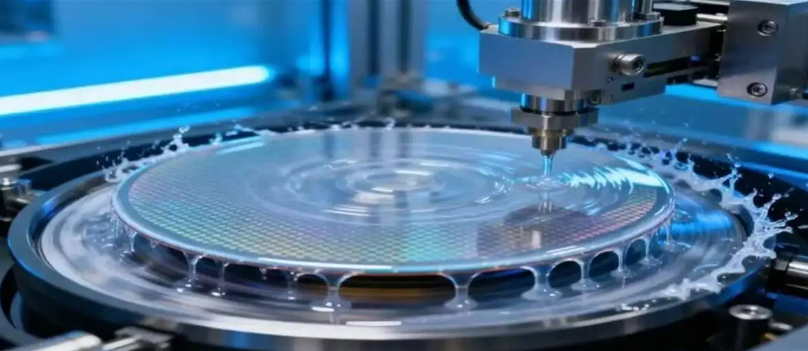
In the world of semiconductor fab, a heater failing on a trolley is way more than just a “technical glitch.” It’s a nightmare. You’re not just looking at downtime; you’re looking at contamination that could scrap a whole batch of wafers. We build these things to keep your wafers at a rock-solid temperature, but the real battle is happening under the hood—making sure the electricity stays exactly where it belongs.
Why we push the voltage to the limit
Before any unit leaves our shop, we put it through a “stress test” using HiPot and insulation resistance checks. We aren’t just checking if the power is on. We crank the voltage way higher than what you’ll actually use in your fab. Why? Because we want to force any hidden flaws to show their faces. Imagine a tiny, microscopic crack in the ceramic or a wire that got pinched during assembly. At normal power, it might be fine. But under high voltage? It’ll jump the gap. That’s a breakdown. It’s a lot easier for us to find that spark in our lab than for you to find it after you’ve already wired it into your clean room.
The danger of “leaky” electricity
When insulation resistance drops, you get leakage current. In a semiconductor environment, that’s a disaster. It messes with your sensitive instruments and makes your sensors act erratic. We measure the gap between the live heating element and the grounded chassis, looking for Mega-ohm values that don’t budge. But here’s the tricky part: heat makes things grow. A heater might look perfect when it’s cold, but then it hits 200°C and the materials expand. If the insulation isn’t up to the task, it’ll degrade under that stress. We bake that thermal expansion into our QC process so you don’t have to worry about it.
The balancing act
There is always a trade-off. If you want insane insulation ratings, you usually need thicker coatings or bigger elements. The downside? More mass. More mass means it takes a bit longer to hit your target temperature. You have to decide what matters more for your specific setup: absolute electrical isolation or lightning-fast ramp-up speeds. Just a heads-up—if you go for those high-insulation units, make sure your power supply can handle the initial hit of inrush current.