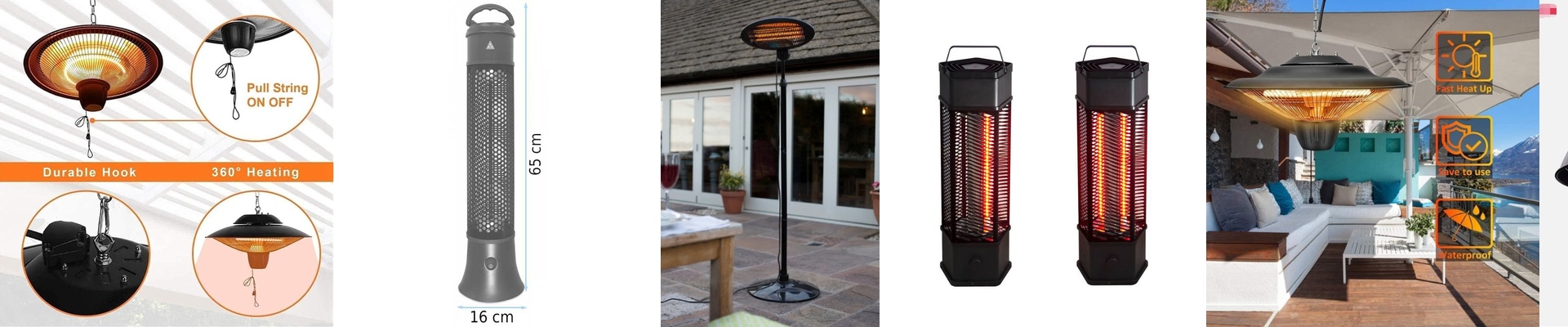
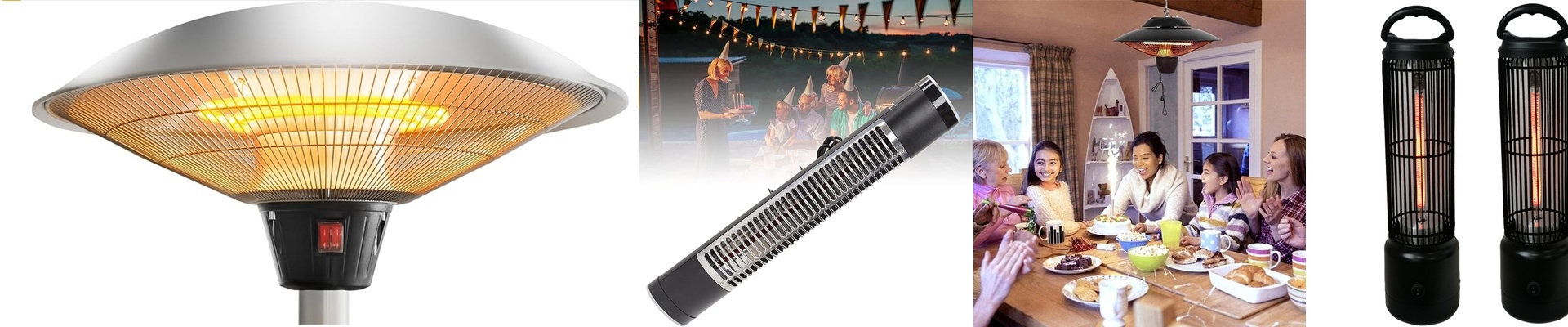
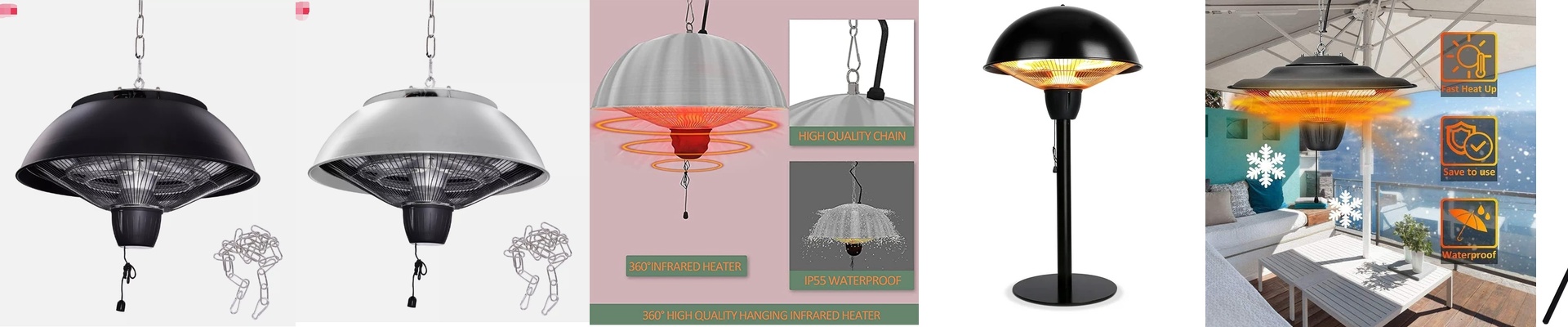
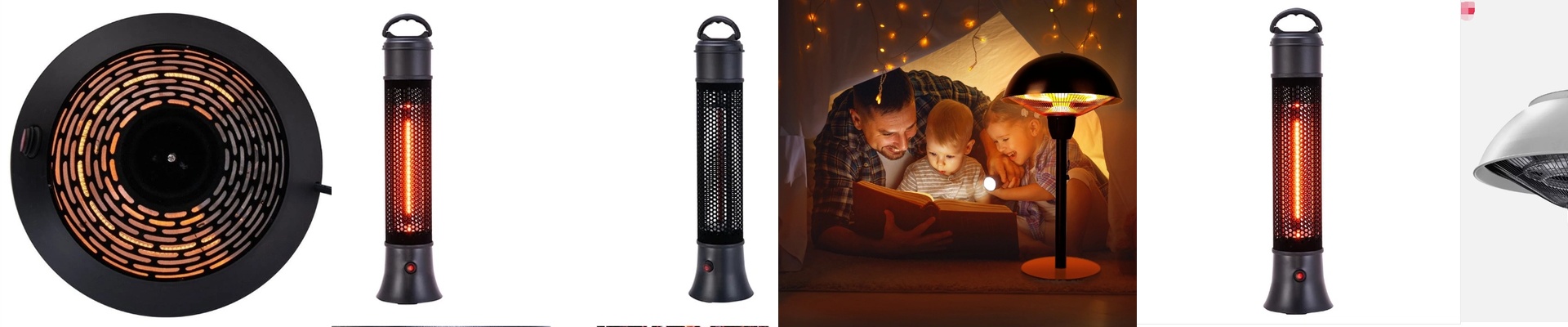

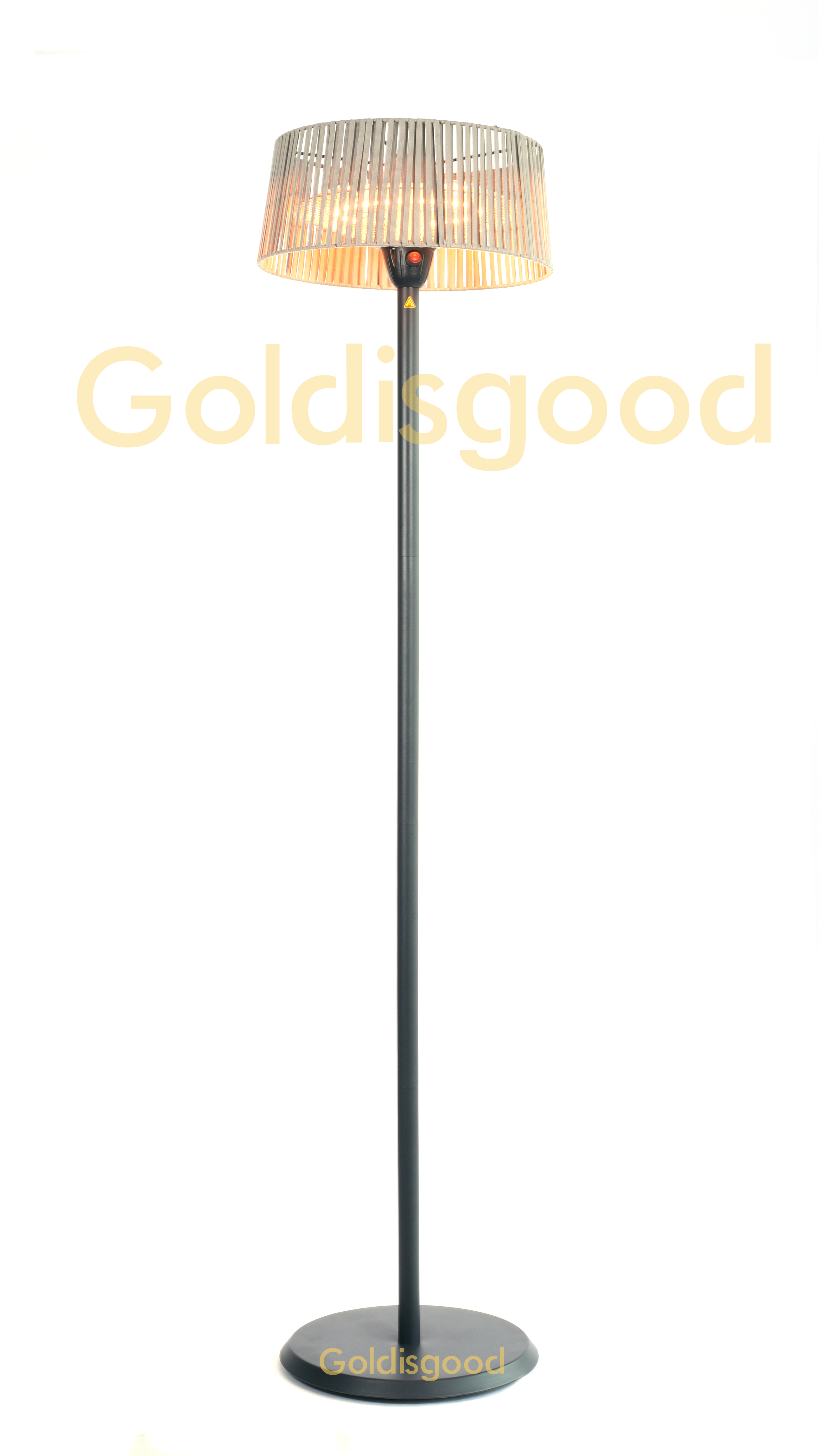
A sunroom under a sweeping glass roof is gorgeous—until the first cold snap hits. Heat rises and bleeds right through the glazing, leaving the space drafty and hard to predict. Traditional forced-air systems can’t keep up. They cycle on and off while the glass keeps stealing warmth. You end up with uneven comfort and an energy bill that climbs.
What matters, technically
Infrared heaters warm people and surfaces directly, not the air. In a sunroom, that’s the difference that actually shows up on the floor and on your skin—because the heat isn’t as easily swept away by cold glass. We build these units around a carbon fiber element that delivers medium-wave infrared warmth. It lays down a soft, even radiant field—steady comfort across the room, without the blast-and-wait cycle of fan heaters. A built-in thermostat holds the setpoint by matching output to what the room is doing right now, not by guessing. The heater stays compact, runs quietly, and plugs into standard 120V power. Safety is straightforward: tip-over protection shuts the unit off if it gets knocked, and the protective grill keeps contact safe.
Why it works in a glass-heavy room
Under large glass surfaces, the real problem is heat loss. Radiant heat bypasses the air and warms floors, furniture, and your skin—so the room feels cozy even when the air near the glass is cooler. You feel comfortable faster, with far less cycling, and you hold a stable temperature instead of chasing it. Because the warmth is directional, you can place the heater where you actually sit, and it keeps that zone steady. That means fewer drafts, fewer temperature swings, and a sunroom you can use all season.
What you need to know
Infrared heat works best when it can reach the people and surfaces you want to warm. Keep the unit unobstructed and positioned for direct line-of-sight coverage. For best results, pair it with thermal blinds or curtains at night to cut heat loss through the glass. Placement matters. Mount or position the heater at seated height and angle it toward the main seating area—not straight up at the ceiling. That keeps the radiant warmth where you feel it, and it helps the thermostat maintain a consistent feel.