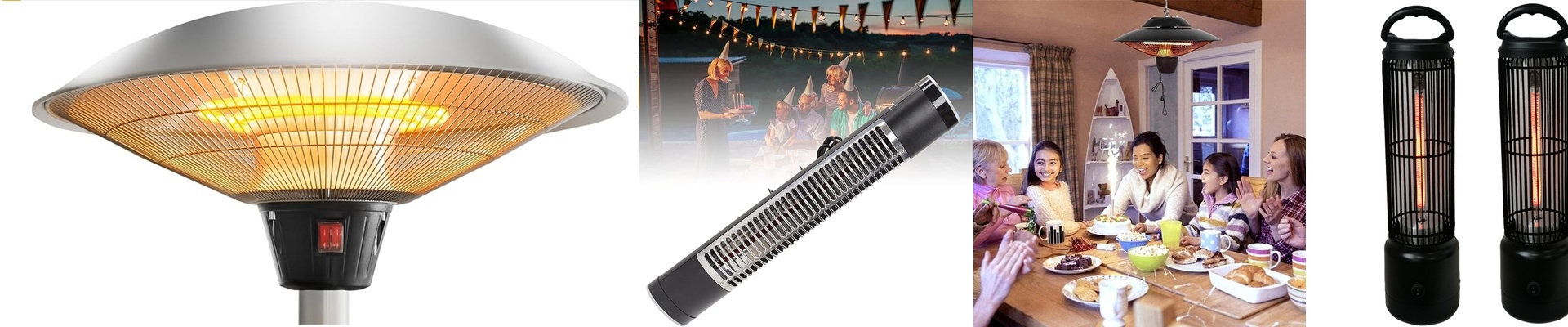
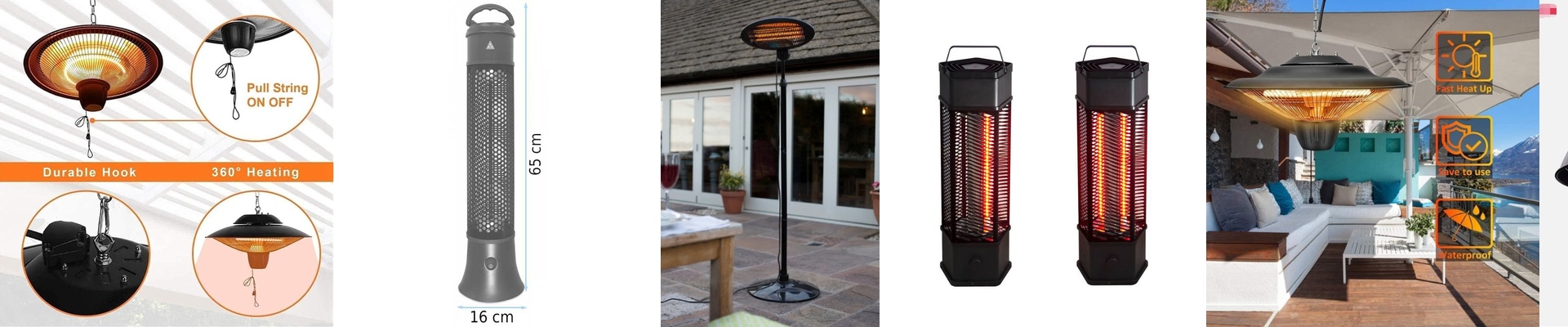

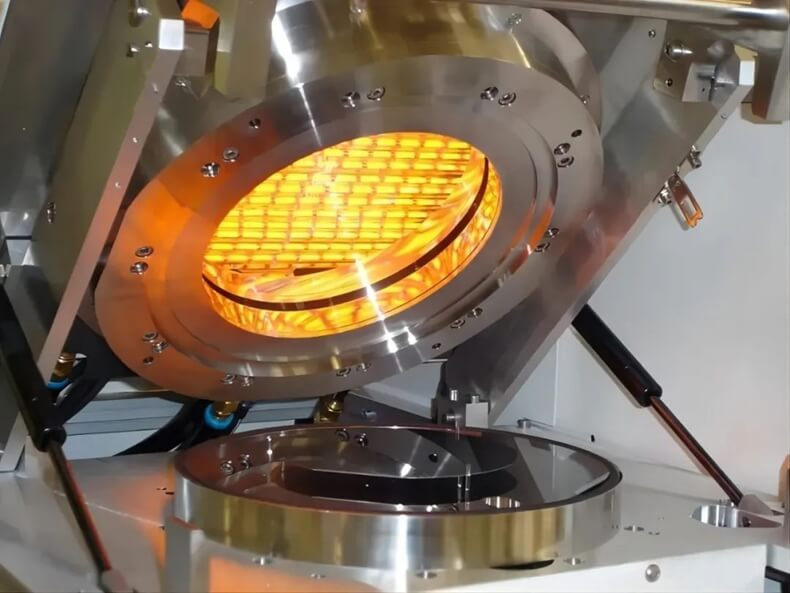
On the fab floor, a 0.1°C drift in the AFM heater isn’t just a measurement nuisance. It can throw off photoresist soft bake and hard bake, and knock your whole thermal budget off-balance. When thermal uniformity goes sideways, line-width control and defect density follow. We built this AFM heater to hold temperature where the physics demands it—right on the sample, across the scan area, and inside Class 1–100 cleanrooms. What matters, technically The heater pairs a short-wave infrared element with a quartz-stabilized thermal path. That gives you stable, localized heating with ±0.1°C uniformity right at the wafer surface. The design doesn’t shed particles during ramp-up and settle, so particle counts stay flat during lithography-adjacent work. We size the footprint to fit AFM integration, aim for 24/7 reliability, and lock in repeatable setpoints that survive thousands of thermal cycles without drifting. Power delivery is matched to the tool envelope, and the interface is set up for a quick swap—no process interruption. Why it works in lithography-linked metrology If the AFM heater doesn’t replicate the bake profile the photoresist expects, CD uniformity takes a hit. Here, you get that profile with repeatable consistency, so soft bake and hard bake intent translate into predictable resist behavior. Fewer reworks. Less scrap. Cycle time that stays put. The short-wave NIR efficiency and tight thermal coupling keep energy use in check, so you run cooler without giving up temperature accuracy. A few practical notes The heater is cleanroom-compatible, but thermal performance hinges on the AFM stage and the sample stack. Expect a short warm-up to hit setpoint stability, and make sure your stage material and mounting method match the thermal interface. Plan a qualified install to keep cleanroom compliance intact and to hit the uniformity spec from day one.