
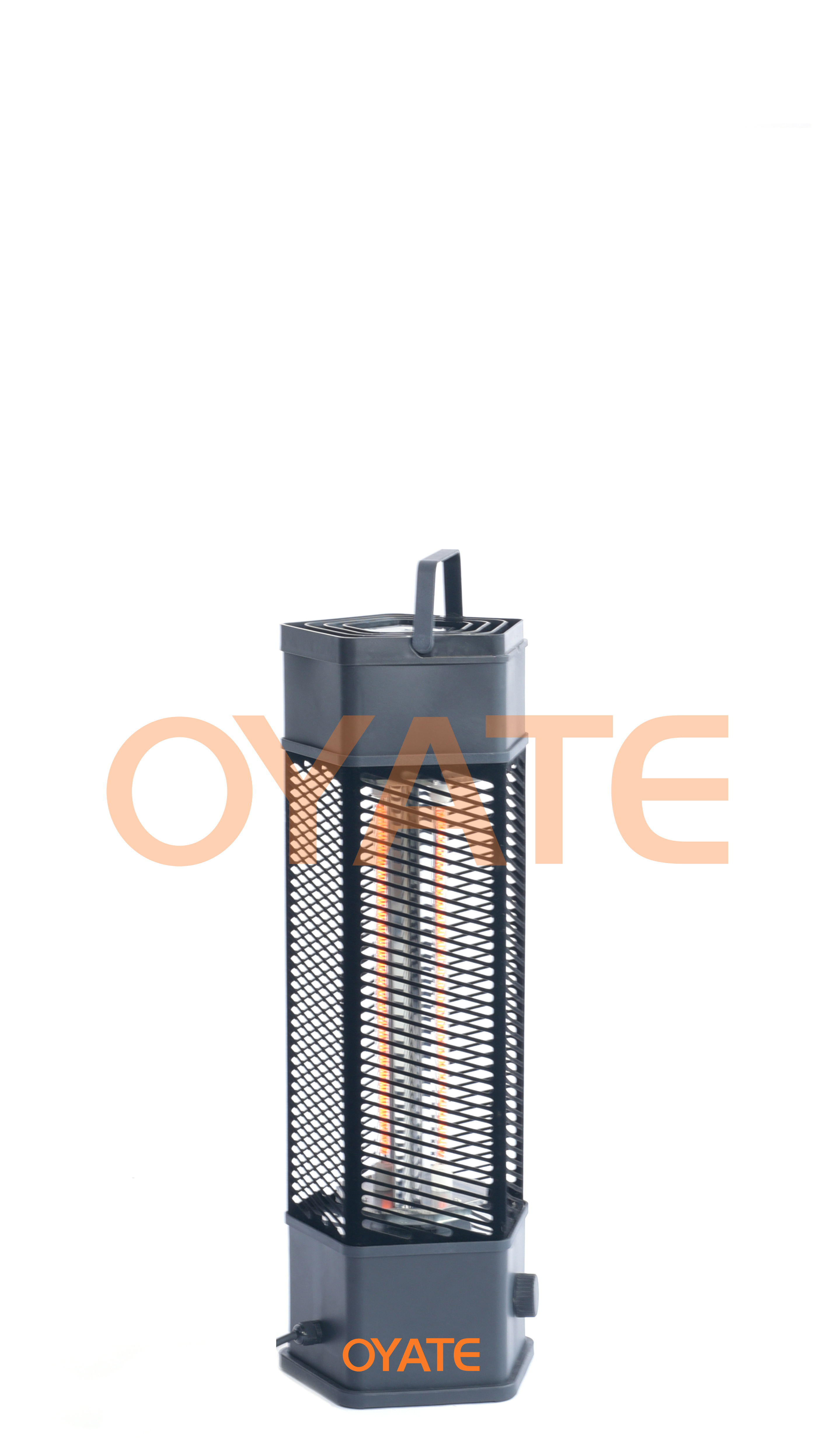
The lights drop, the film starts, and the soundtrack should be the only thing in the room. Too many heaters blow that moment with a steady rush of air, a motor hum, or clicking as the unit cycles on and off. In a home theater, sound carries the story, and even low-level noise wipes out the fine detail.
What matters, technically
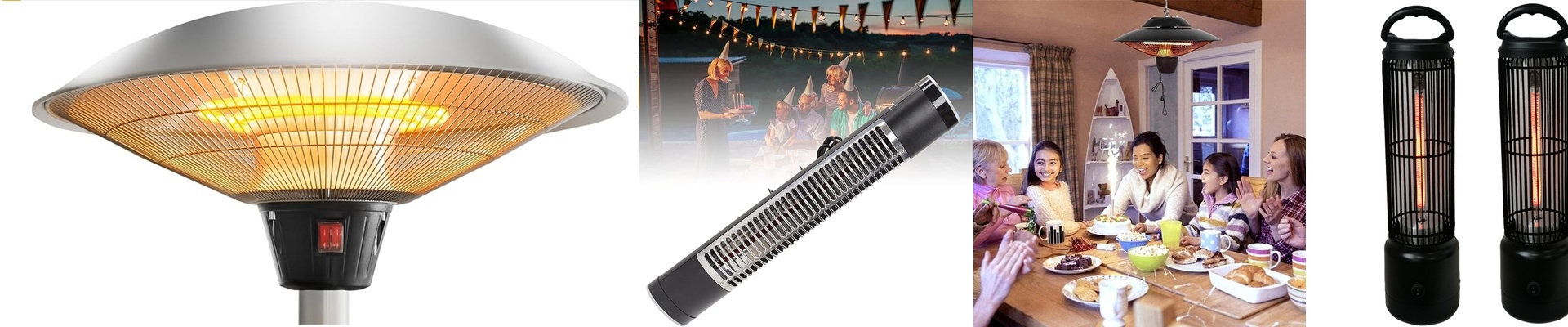
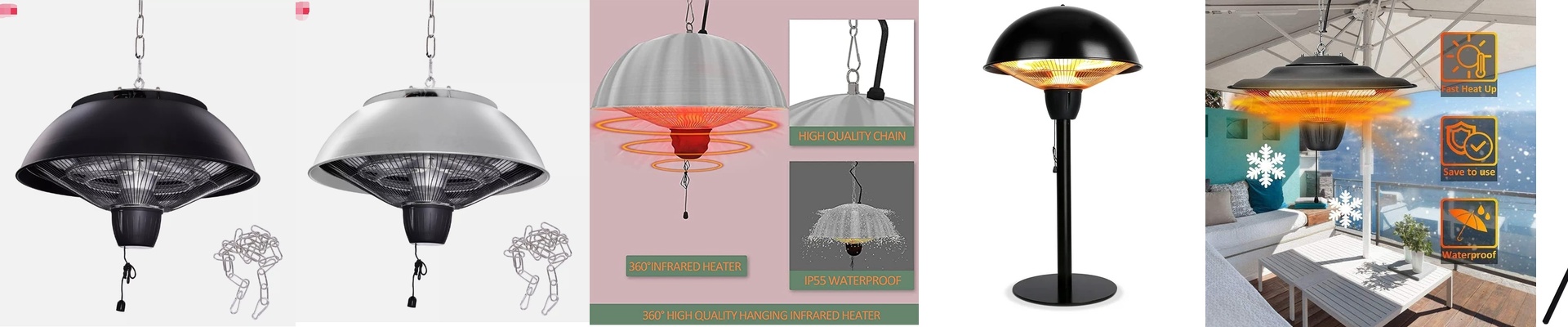
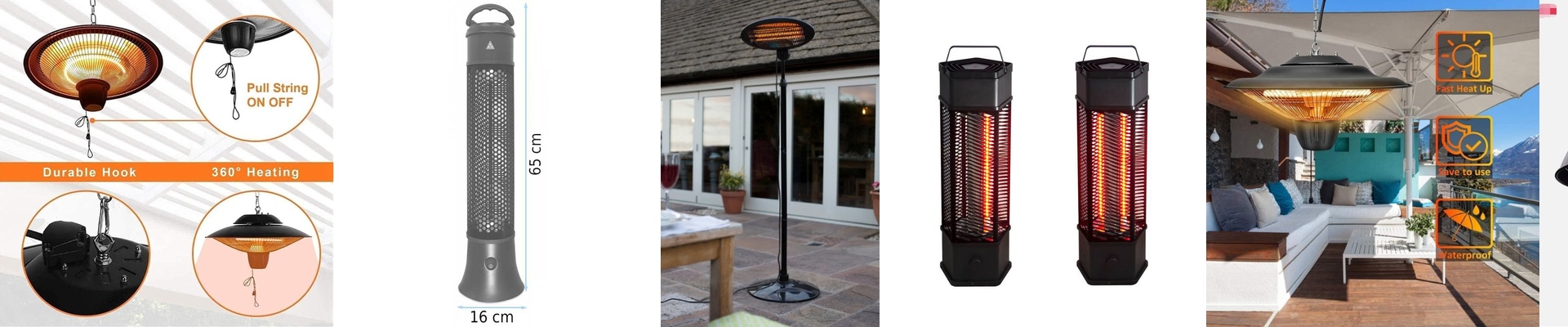
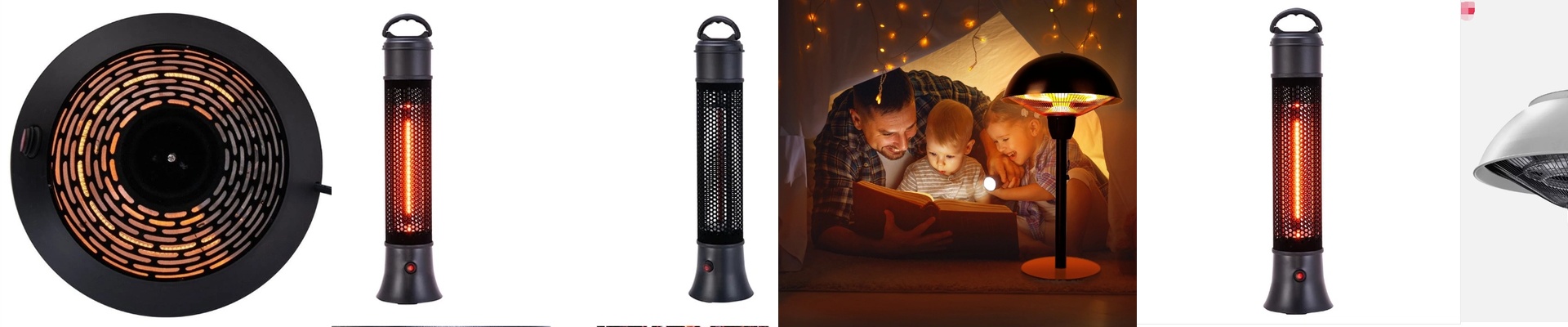
Infrared heaters work in a different way than forced-air units. They deliver radiant heat, warming people and objects directly instead of heating the air. In practice, that means no blower, no spinning fan, and no air movement to stir up sound. The core is usually a quartz tube or a carbon fiber element—chosen because they come up to temperature quickly and hold output steady. Most electric infrared heaters that are bedroom-friendly run on standard household voltage, pull 600–1500 watts, and are compact enough to sit near seating without crowding. A built-in thermostat holds the set temperature, and tip-over protection shuts the unit off if it gets knocked over.
Why this makes sense in a home theater
Home theater is all about staying pulled into the picture. Radiant warmth keeps you comfortable without fluttering curtains, shifting papers, or kicking up dust. You feel the heat within seconds, so you don’t start cold and then get jolted out of the movie by a noisy fan. Because the heater isn’t pushing air, dialogue stays clean, quiet passages stay quiet, and bass feels tighter. You also get that even, gentle warmth that makes long viewing sessions feel less tiring—without the drafts that make you keep reaching for the thermostat.
What you need to know
Infrared heat is directional, so placement matters. Point the heater to warm the seating area directly, not a blank wall. It warms people and surfaces first, so the air a few feet away can feel cooler. For the best result, size the unit to the room and keep it at a safe distance from upholstery. And while the run is quiet, the element can give off a faint warmth glow and a soft tick when it cycles on and off—normal behavior for quartz and carbon systems.