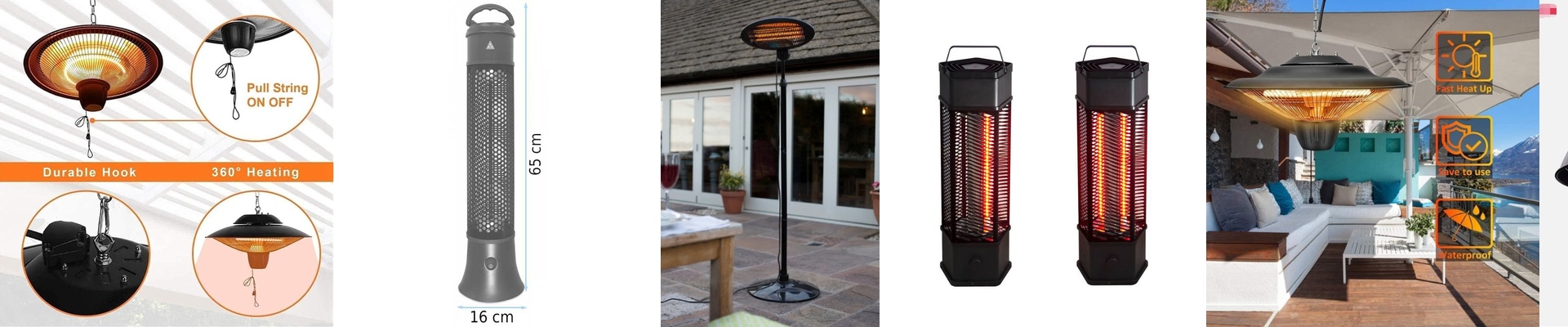
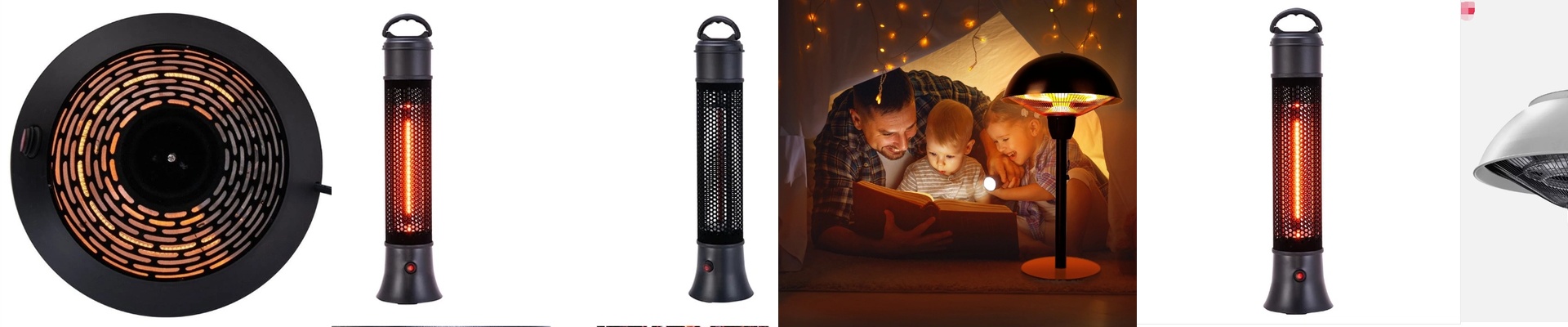

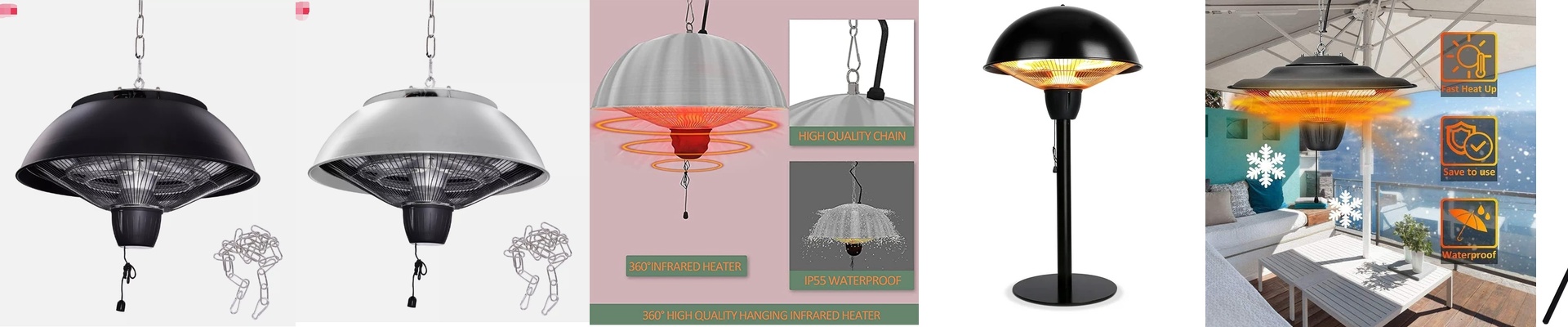
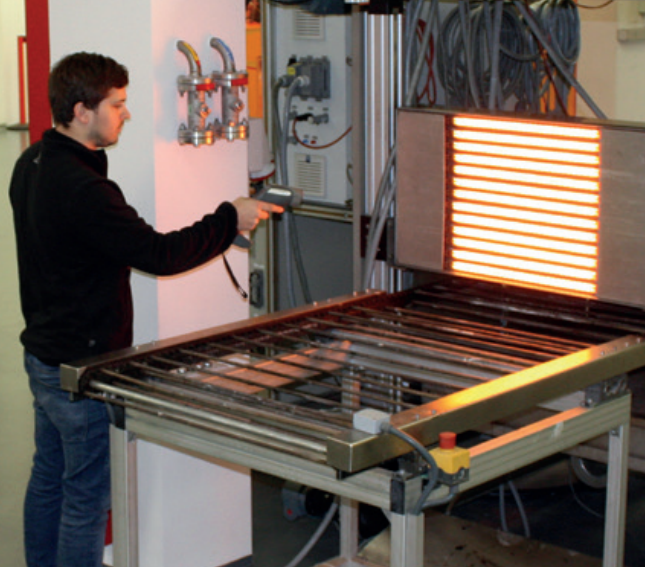
On the fab floor, a soft bake that drifts even half a degree can shove your critical dimensions and bleed yield. Conventional hotplates fight thermal lag and edge roll-off, and that uncertainty shows up on the line. We built a compact infrared dryer for IC processing to take that variability out of the equation.
Infrared heating: sub-millimeter uniformity and repeatability
The unit leans on near-infrared (NIR) emitters tuned to the photoresist absorption, so the energy penetrates faster and keeps the thermal budget tight. You get sub-millimeter uniformity across the wafer, and the temperature holds within ±0.1°C during the bake. We do it with closed-loop pyrometry right at the wafer plane and a reflective cavity that keeps stray heat from wandering. Run-to-run repeatability lands in single-digit millidegrees, so your critical bake profile stays nailed down.
Why it works where it matters
In lithography, it handles soft bake and hard bake with the same control, shaving cycle time while keeping resist profiles clean. In cleaning and drying, it pulls moisture off without overheating low-k films. The platform sits comfortably in Class 1–100 cleanrooms and generates zero particles, verified by in-situ monitoring. Energy use drops because NIR heats the target, not the room. It’s engineered for 24/7 ops, with emitter life over 5,000 hours and stable output.
Practical notes to plan around
Installation needs a dedicated 24 VDC, Class 2 power circuit and a clean, vibration-isolated bench to keep beam alignment solid. The dryer is optimized for 150 mm and 200 mm wafers; 300 mm integration requires a custom chuck and a calibration routine. Run a short qualification to map your specific film stacks, then lock the recipe.