

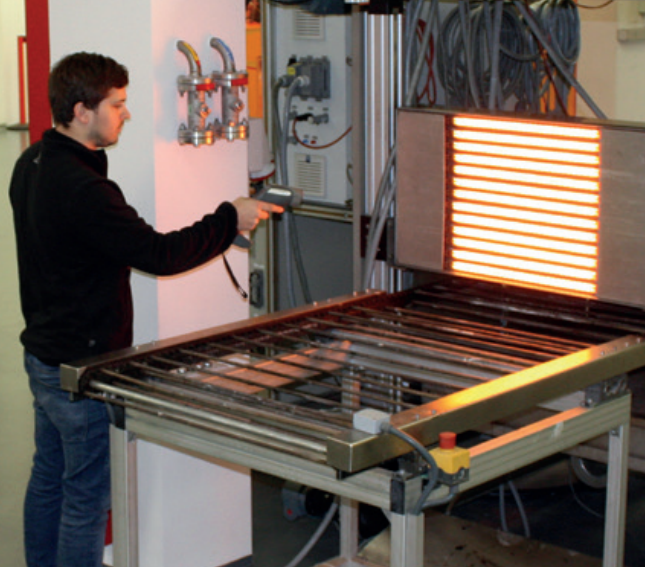
On the fab floor, you know how it goes: a 0.5°C drift during the photoresist bake can shift a critical dimension by nanometers and wipe out an entire lot. RTP isn’t just about heat—it’s about repeatable, wafer-level thermal control that doesn’t fight the cleanroom. What matters under the hood We built these halogen lamps around short-wave infrared and a quartz envelope, so response is fast with minimal thermal lag. You get wafer-level uniformity within ±0.1°C across the process zone, which is exactly what you need to hold soft bake and hard bake temperatures tight. The lamp assembly is cleanroom-compatible for Class 1–100, with materials and geometry chosen to keep particle counts down. Output stays stable over 5,000+ hours, with less than 5% lumen drop, so you can run long campaigns without recalibrating every other week. Why this matters in lithography and RTP The thermal budget here is unforgiving. Tighter uniformity cuts down edge-of-wafer defects, tightens CD control, and pushes first-pass yield higher. Faster ramp rates shorten cycle time without pushing peak power through the roof. Keeping the process clean and particle-free means fewer scrap lots and less rework, while stable lamp output keeps results repeatable lot-to-lot. And because the system hits setpoint quickly and holds it precisely, you waste less energy on thermal swings. A few shop-floor notes To hold that ±0.1°C uniformity window, you need matched reflectors and precise focal alignment. Dropping these into legacy RTP tools is straightforward, but the quartz envelope demands careful handling and a clean install—micro-scratches here can turn into particle sources down the line. Before you commit, run a short qualification on your exact recipe to lock in ramp profiles and soak times.