



Introduction
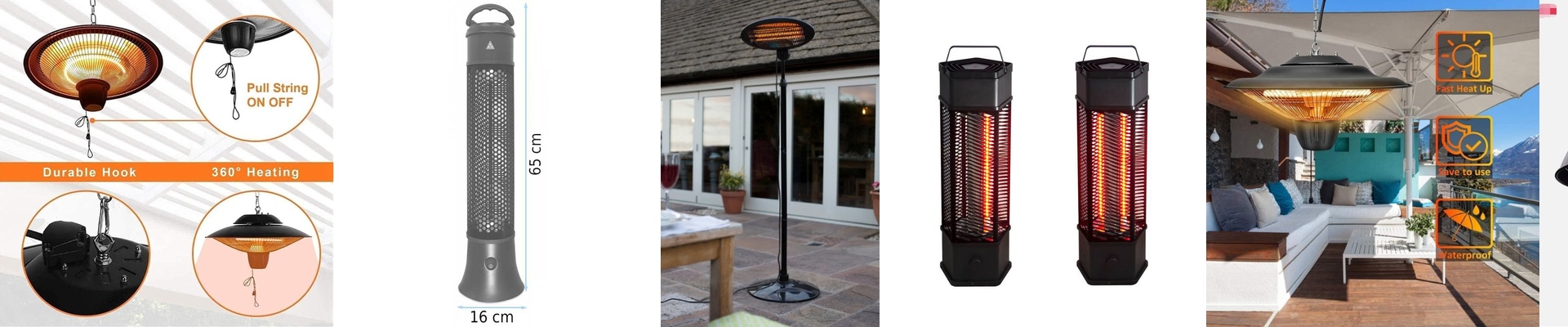
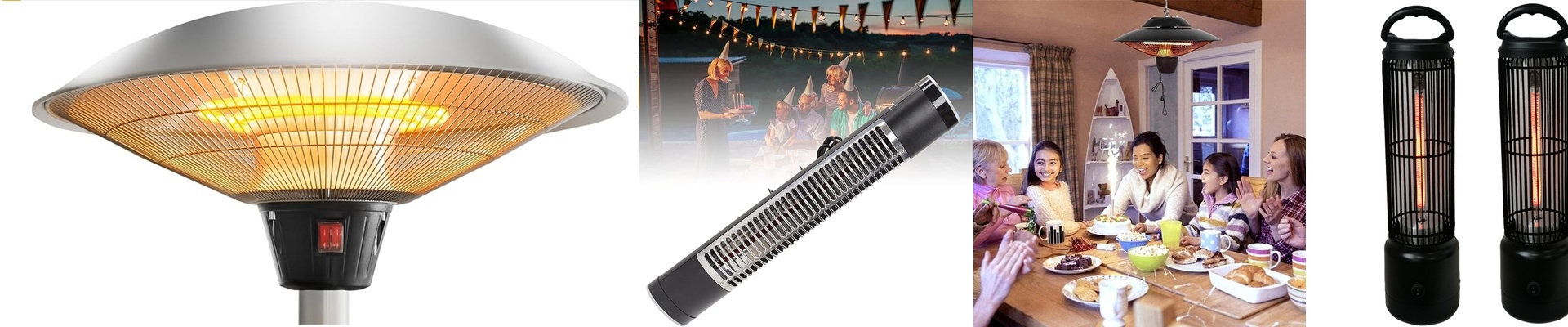
Let’s cut to the chase. We make carbon crystal infrared heaters for commercial spaces where wasting energy just isn’t an option. These units were built to step in for old-school heating systems that eat up power and jack up your bills. The whole point? Give you targeted heat with way less electricity. It’s the kind of solution modern buildings are crying out for.
Power, Voltage, and Output: The Inside Story
Here’s what makes these heaters tick. They turn electricity into infrared heat with incredible efficiency. We built them to run on standard 220V or 400V industrial power, so they plug right into what you already have. No mess, no fuss. That setup gives you the wattage you need to warm up big spaces without tripping any circuits. And the payoff? It’s pure, direct heat. Forget waiting for warm air to travel through ducts and slowly leak out. This energy hits objects and people directly. You’re heating what matters, not the empty air around it. The difference shows up fast on your energy bill.
The Design: Built to Last
The carbon crystal element is the real hero here. It’s solid-state, which means no more worrying about filaments burning out. It’s a game-changer for reliability. A tough quartz shell wraps around the whole thing, giving it serious protection against sudden temperature shifts. We use a standard R7s base connector, too. It’s a secure, high-temp connection that’s a breeze to wire and easy to replace if you ever need to. This whole thing is engineered to hold up, day in and day out, in busy commercial spaces.
Real-World Results for Your Property
For property managers, this all adds up to one thing: lower energy use across your building. That’s a huge win for your sustainability goals and makes your property look that much better. Because the heat is instant and localized, you can control it room by room. No more wasting energy on empty spaces. Now, a heads-up: the heat is powerful, so you just need to make sure you have the right clearances and materials around it. But the trade-off? It’s a simple upgrade that slashes operating costs, makes your building more valuable, and actually delivers the kind of performance today’s efficiency standards demand.