
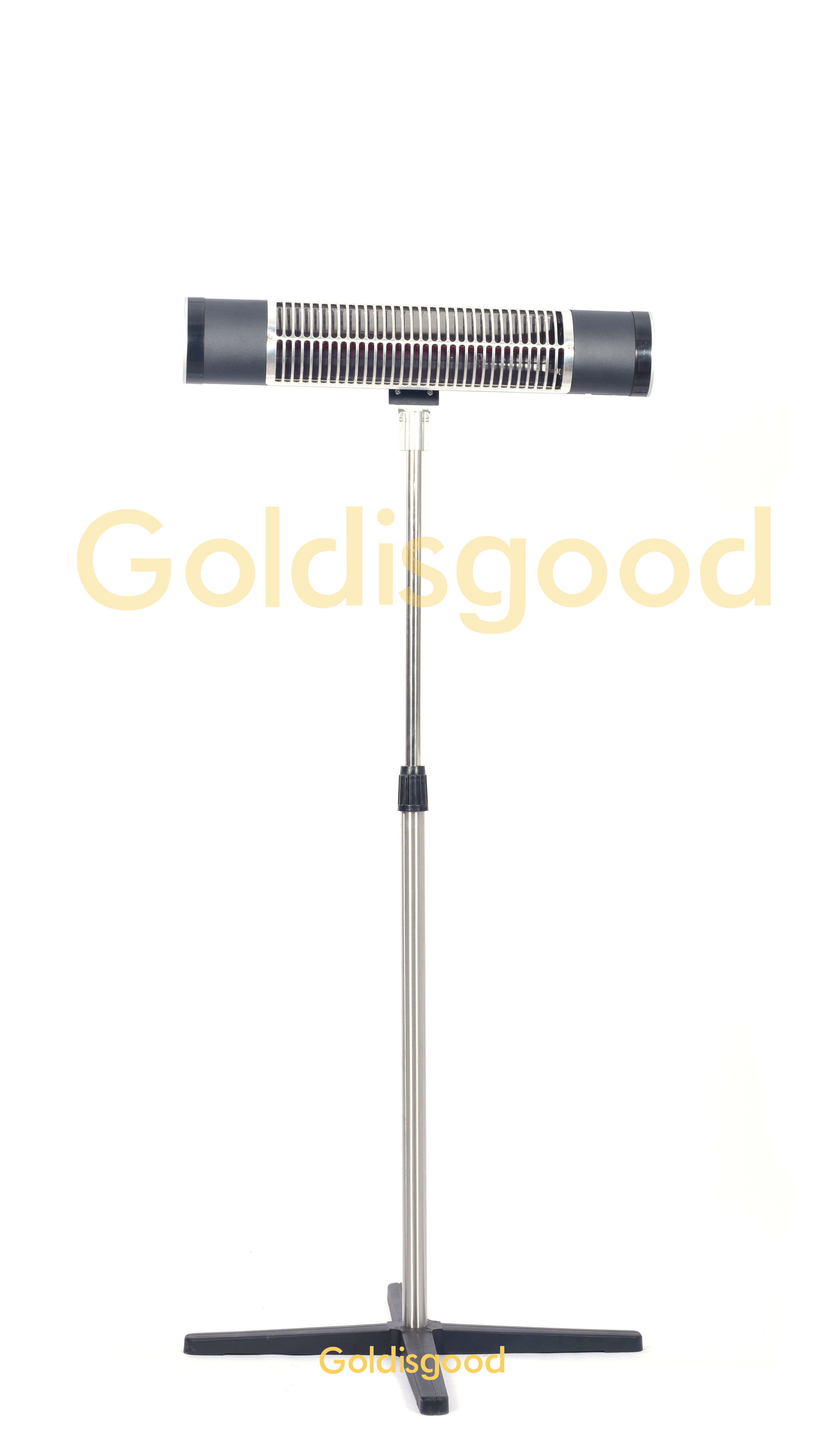
The Secret Sauce: Heat That Actually Stays Put
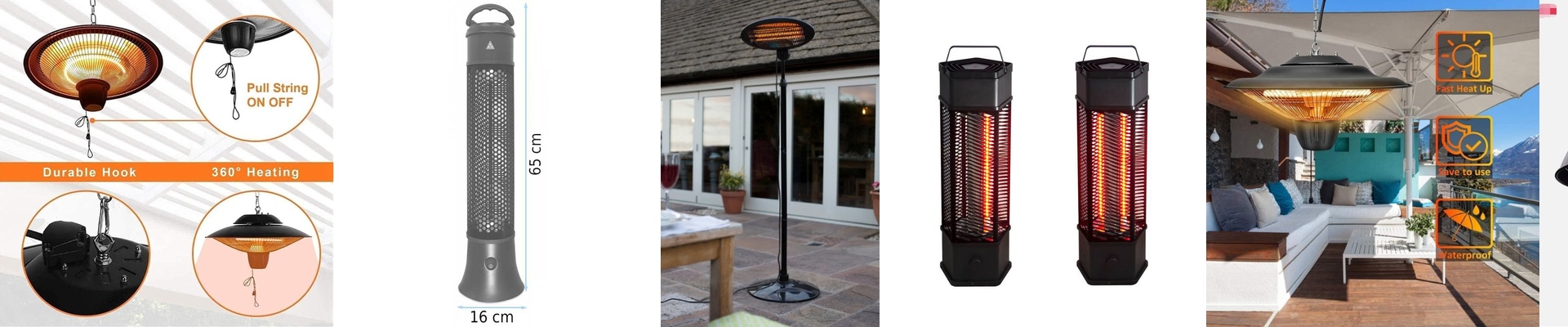
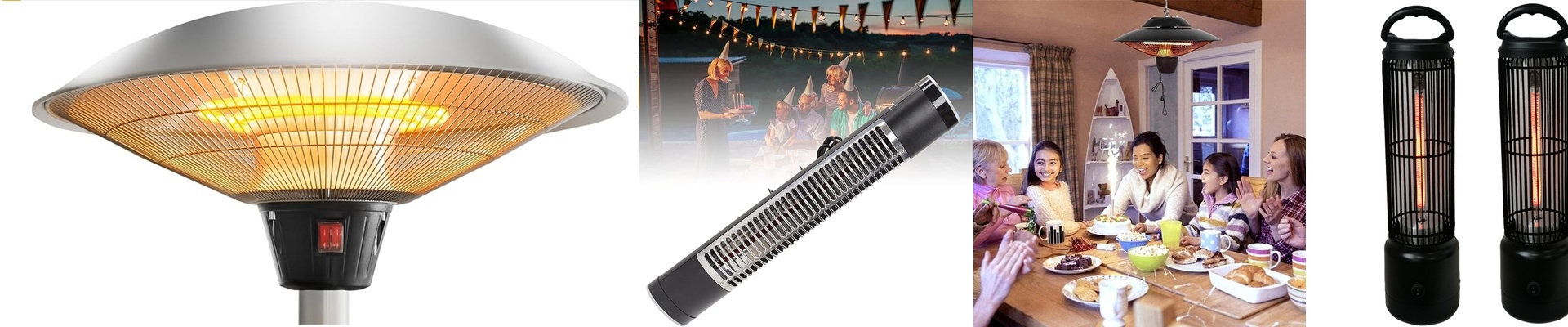
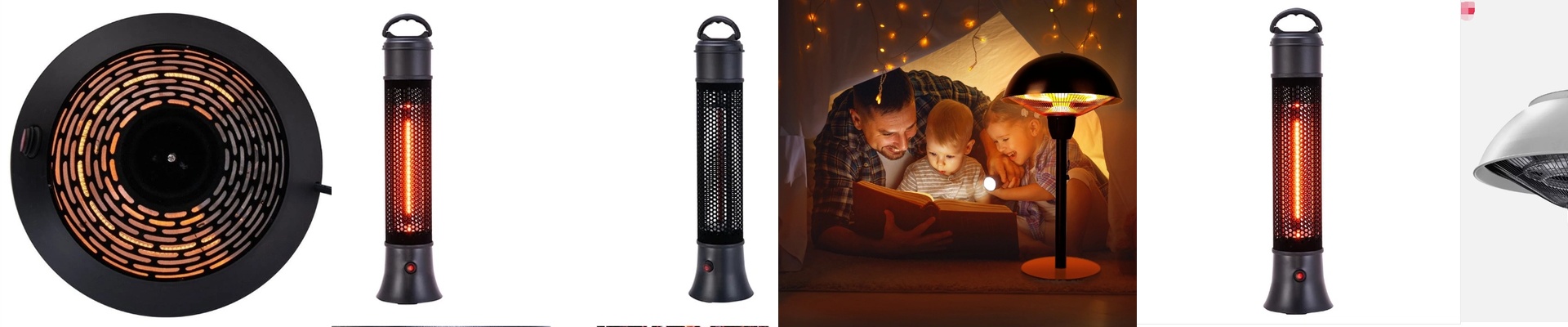
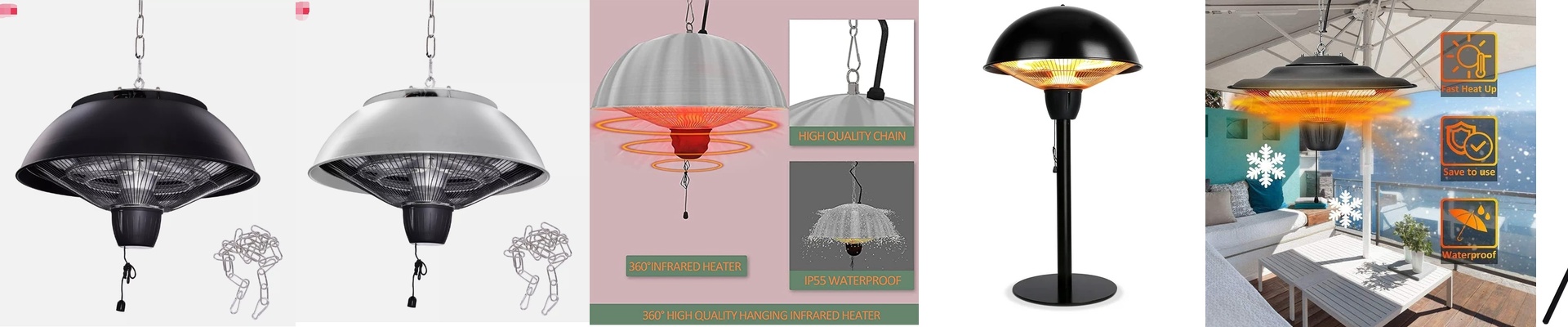
Here’s how we built our electric floor heating: we wanted warmth where you need it, exactly when you need it. And we didn’t want it to vanish the second the system shuts off. So we went with infrared. It’s a game-changer. Forget those old forced-air systems that just blow hot air around. Our infrared heaters send out energy that warms the solid stuff—your floor, your furniture, your walls—and yes, you. But it’s more than just that instant cozy feeling. It’s about storage. Those objects soak up the heat and then gently give it back, keeping the whole room steady. Turn the system off? The warmth keeps drifting out for a long time. That’s the real difference—we’re heating the structure itself, not just the air.
What Makes It So Responsive?
We packed a lot of power into a small space. The system runs on standard voltage, so it delivers a steady punch of heat, fast. The heating elements are built to sit right inside your flooring, spreading warmth evenly across the surface. We went with a high-wattage design because you need that burst of energy to charge the whole room’s thermal mass quickly. It matches the room’s needs, so it hits the right temperature fast and then holds it without constantly cycling on and off. The result? A system that’s quick on its feet and easy to spec out for commercial and industrial spaces.
The Gear That Keeps It Tough
At the core, we use a halogen-filled quartz tube. The halogen cycle keeps the element clean, so it doesn’t get that blackened look and the heat stays steady over time. No fading performance as the years go by. And the quartz itself? It takes the high heat and handles the constant cycling without cracking. That’s essential for a system that turns on and off all day. We also built in connectors that can handle high current and stay reliable. They snap in quickly, secure the wiring, and cut down on installation time. It’s the kind of practical design you want when you’re out on the job—stuff that takes a beating and just keeps working.
The Payoff: Warmth That Lasts, Energy You Save
In real-world floor heating, this setup gives you real advantages. Because we’re heating objects, not air, you lose less heat through ventilation. And when the system shuts down, the floor and walls keep releasing that stored warmth, keeping you comfortable without drawing power. That thermal inertia lets you get smart with energy use—run the system during off-peak hours, and let the stored heat carry you through. Now, it’s worth noting: high heat density means the system has to match the building’s thermal mass and insulation. If the room isn’t well insulated, the stored heat won’t stick around as long. But if the envelope is tight? You get a steady temperature with lower overall energy use. For engineers and facility managers, it’s a clean equation: radiant heat, real storage, and performance you can count on.