


Keeping Your Class 100 Cleanroom Actually Clean
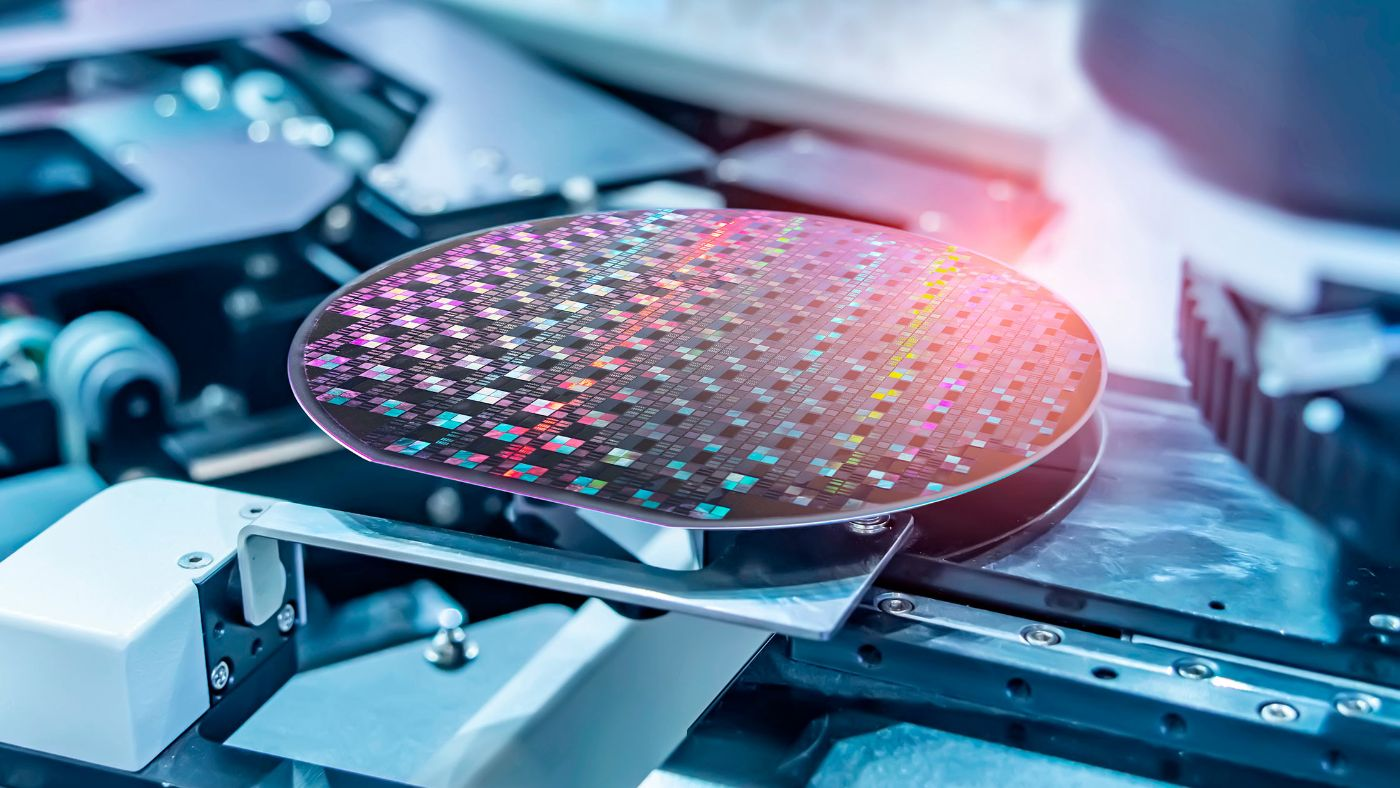
When you’re running a Class 100 cleanroom, heating is a bit of a nightmare. It’s not even about the temperature—it’s about the invisible stuff. Standard IR lamps are notorious for this. They outgas or shed tiny metallic flakes from their end caps. If one of those flakes lands on a wafer or an optical coating? You’ve just thrown a lot of money in the trash. We fixed this by pairing high-purity quartz tubes with specialized ceramic end caps. Here is how it actually works.
The deal with high-purity quartz
We stick with synthetic high-purity quartz because it doesn’t freak out at high temperatures. If you used standard glass and pushed it to 1000°C, it would either slump or start releasing volatile organic compounds (VOCs). Not a great look for a cleanroom. These emitters use a concentrated shortwave spectrum. In plain English: the heat goes straight to the target. It doesn’t waste time heating up the air around it, so your room temperature stays exactly where you want it.
Why we obsess over ceramic end caps
The end cap is usually where things go wrong. Metal caps tend to oxidize and flake off over time. We use high-grade ceramics instead. We make sure they expand and contract at the same rate as the quartz, which means the seal won’t crack when you’re cycling the heat up and down. Plus, these ceramics don’t outgas and they don’t shed. You get a tight, hermetic seal that keeps the halogen gas inside and the junk outside.
A few things to watch out for
You can slide these right into your existing arrays as drop-in replacements. But a word of warning: high-purity quartz is more brittle than the doped glass you might be used to. If your mounting brackets are clamped too tight, the tube will snap as it expands. Give the tubes a little room to breathe.Just a tiny bit of tolerance makes all the difference. Also, take a look at your power supply. These tubes operate right at their physical limits to keep that zero-contamination profile, so a voltage spike can pop a filament in a heartbeat. Keep your PID controllers tuned tight so you don’t overshoot the mark.