
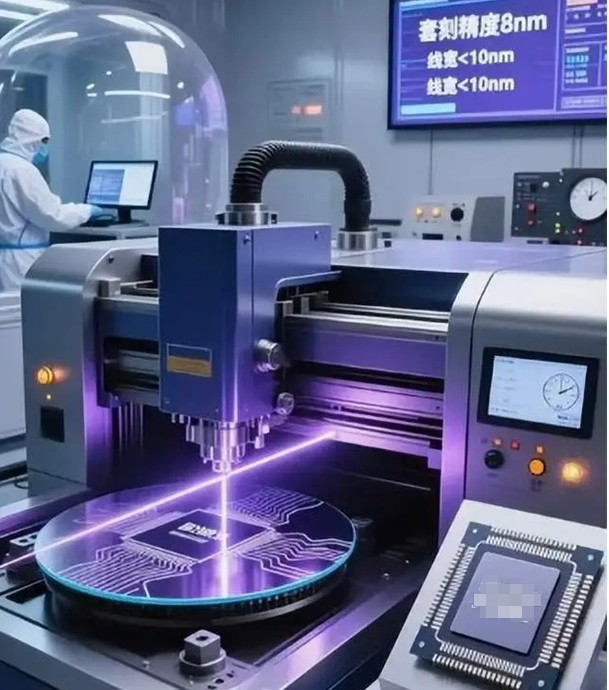
Out on the fab floor, a few degrees can decide whether a wafer makes it or hits the scrap bin. One hot spot during soft bake or hard bake, and you’re printing a line that’s anything but uniform. The wafer walks out of the station already over its thermal budget. We built the Best-Selling Wafer Heater 2026 to take that variability off the table. What matters under the hood The platform runs short-wave infrared (SWIR) halogen emitters inside a quartz-enhanced chamber, tuned for wafer-level thermal uniformity of ±0.1°C across the substrate. Cycle-to-cycle repeatability holds at ±0.2°C, so your critical bake profiles—soft bake, hard bake, and post-apply bake—stay locked on spec. It’s compatible with cleanroom Class 1–100, built with low-outgassing materials and a particle-controlled airflow path that keeps background counts from creeping. Zero particle generation at the heating point isn’t a slogan; it’s a design constraint, and we verify it with in-situ metrology. The system is built for 24/7 operation with field-validated MTBF and serviceable modules, so unplanned downtime stays where it belongs—minimized. Why it sticks in lithography and photoresist processing Temperature is what governs CD control, profile slope, and defect density. When the heater holds bake profiles in tighter bands, you see fewer reworks, less scrap, and qualification cycles that finish on time. Energy use is leaner thanks to fast ramp-to-setpoint response and low standby losses. You cut operating cost without slowing throughput. The payoff shows up as stable line width, fewer defects, and yield you can count on. The practical details You’ll need a dedicated 230 V circuit and verified coolant quality to keep emitter temperature stable over long campaigns. The footprint is compact, but integration still needs planning. Confirm tool PLC compatibility, connector alignment, and local exhaust routing before installation. Once it’s aligned, the unit runs as a set-and-forget thermal stage that keeps the process under control.
בחדר הייצור, מספר מעלות בודדות יכולות להכריע אם הוופר יתקבל או יגיע לפח הפסולת. נקודת חום אחת בזמן אפייה רכה או אפייה קשה תגרום להדפסה של קו שאינו אחיד. הוופר יוצא מהתחנה כבר עם חריגה מתקציב החום שלו.
בנינו את דגם Wafer Heater 2026 כדי להסיר את השונות הזו מהמשוואה.
מה שחשוב מתחת למכסה המנוע
המערכת מפעילה מפיצי הלוגן בתחום תת-אדום קצר גל (SWIR) בתוך תא משופר בקוורץ, מכויל לייצוב תרמי ברמת הוופר בטווח של ±0.1°C על פני המצע. החזרה מחזור למחזור נשמרת ב±0.2°C, כך שהפרופילים הקריטיים של האפייה—רכה, קשה ואפיית המשך—שומרים על התאמה מדויקת למפרט.
התאימות היא לכיתות חדר נקי 1–100, וזו מערכת המיוצרת מחומרים בעלי פליטת גזים נמוכה עם נתיב זרימת אוויר מבוקר למניעת חדירת חלקיקים ברקע. ייצור של חלקיקים בנקודת החימום הוא לא סיסמה, אלא דרישה עיצובית ואנו מאמתים זאת באמצעות מדידות במקום (in-situ).
המערכת מתוכננת לפעילות רציפה 24/7, עם MTBF מאומת בשטח ומודולים ניתנים לתיקון, כך שהפסקות בלתי מתוכננות מצומצמות למינימום.
למה היא נפוצה בליתוגרפיה ועיבוד פוטורזיסט
הטמפרטורה היא הגורם השולט בשליטה על CD, שיפוע הפרופיל, וצפיפות הפגמים. כשהמחמם שומר על פרופילי אפייה בטווחים צרים יותר, רואים פחות תיקונים, פחות פסולת, ומחזורי הסמכה שמסתיימים במועד.
צריכת האנרגיה נמוכה יותר בזכות תגובה מהירה להגעה לנקודת היעד והפסדי המתנה נמוכים. כך חותכים בעלויות התפעול מבלי להאט את קצב הייצור. התוצאה מתבטאת ברוחב קו יציב, פחות פגמים ותפוקה שניתן לסמוך עליה.
הפרטים המעשייים
דרוש מעגל חשמל ייעודי של 230 V ואיכות קירור מאומתת לשמירה על יציבות הטמפרטורה של המפיץ במהלך קמפיינים ארוכים. המערכת קומפקטית, אך ההטמעה דורשת תכנון מוקדם. יש לוודא תאימות PLC של הציוד, יישור מחברים וניהול אוורור מקומי לפני ההתקנה.
לאחר יישור נכון, המערכת פועלת כשלב תרמי של “הגדר ושכח” השומר על תהליך הייצור תחת בקרה.