




Stop Letting Dust Kill Your Biosensor Yields
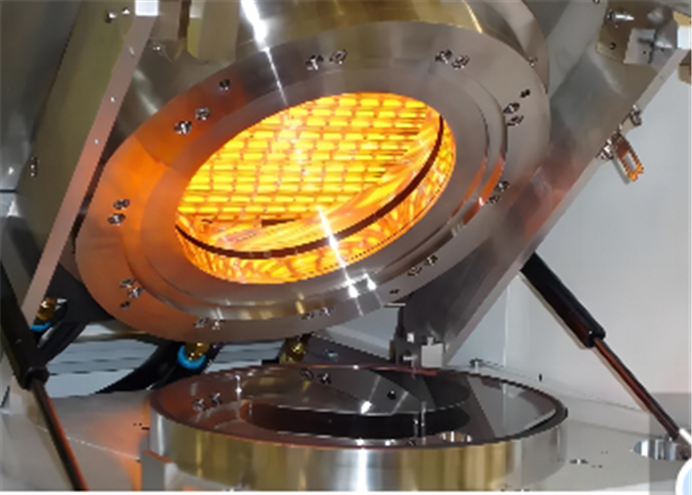
If you’re working in a Class 100 cleanroom, you already know the nightmare. One tiny speck of dust—something you can’t even see—and your entire batch of sensors is trash. It’s frustrating. The hidden culprit is often the heating elements. Most standard lamps outgas or shed little flakes of material when they heat up and cool down. It’s a quiet killer for your yield. We fixed this by switching to high-purity synthetic quartz infrared lamps.
Why the material actually matters
Here’s the thing about most industrial lamps: they use lower-grade glass. When they first hit operating temperature, they can “smoke” or flake. Not a great look when you’re trying to keep a surface pristine. Our tubes are made from fused silica quartz. It’s so pure that it doesn’t release those nasty volatile organic compounds (VOCs) or metallic ions. You just get clean, radiative heat. No physical contact, no forced airflow kicking up dust—just the energy you need.
Speed is your best friend
We engineered these for high-intensity shortwave output. Why? Because the faster your substrate hits the target temperature, the less time ambient contaminants have to settle on the surface. It’s fast. Really fast. And that changes the math on your contamination risk. One heads-up, though. Because these lamps pack so much power into a small space, they get hot.**Really hot.**If you’re squeezing these into a tight setup, make sure your cooling jackets or ventilation are up to the task. If the housing overheats, your seals will fail prematurely, and that’s a headache nobody wants.
Making it work in your line
We designed these to be simple drop-in replacements for your automated lines. We also made the seals vacuum-tight, so you don’t have to worry about halogen gas leaking into your clean zone. At the end of the day, it’s a simple trade. You spend a bit more on higher-grade quartz now so you don’t have to spend your afternoon throwing expensive, scrapped wafers into the bin.